
Summary
Editor's rating
Value for money: good within Arlo’s world, less so if you hate subscriptions
Design and build: looks neat, but it’s still a plastic box
Battery life and power options: decent, but depends on how busy your door is
Durability and support: hardware seems ok, customer service is another story
Performance: works well… if your Wi‑Fi is solid
What you actually get with this Arlo doorbell
How well it actually protects your front door
Pros
- Good 1080p image with useful vertical 180-degree field of view (you see people and packages clearly)
- Flexible power options: battery or wired to existing doorbell transformer with trickle charging
- Works well with Arlo ecosystem and app, with fast direct call to phone when Wi‑Fi is strong
Cons
- Most useful features (recordings, smart detection, zones) require a paid Arlo Secure subscription after trial
- Performance is very dependent on strong Wi‑Fi signal near the door, often needs an extender
- Short 1-year warranty and mixed reports about difficult customer support, especially in UK/EU

Specifications
View full product page →| Brand | Arlo |
A wireless doorbell that’s good, but not magic
I’ve been using the Arlo Essential Wireless Video Doorbell on my front door for a while now, and I’ll be straight: it’s a pretty solid bit of kit, but it has a few catches you need to know before spending your money. If you’re expecting plug‑and‑play perfection and totally free recording, that’s not what this is. If you’re okay tweaking Wi‑Fi, paying a subscription, and dealing with the app, then it starts to make sense.
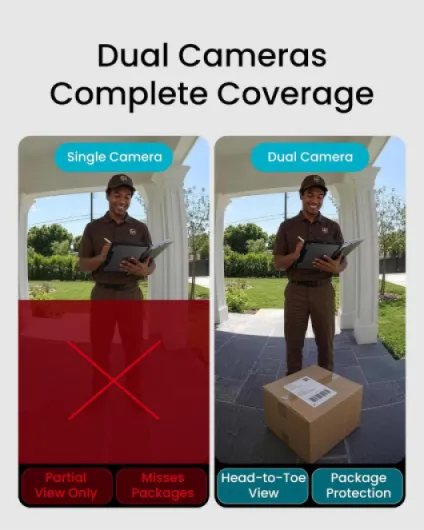
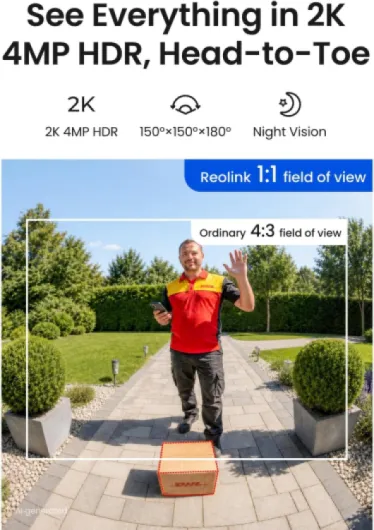
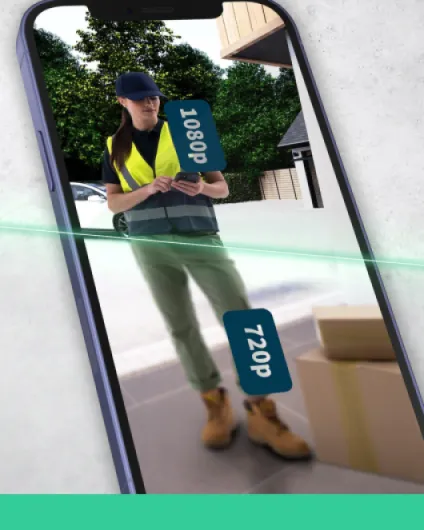
In day‑to‑day use, it does what it says on the box: you see who’s at the door, you can talk to them, and you get motion alerts on your phone. The 1080p image is clear enough to recognise faces and packages, and the vertical 1:1 view is actually useful — you see the person’s face and the parcel on the floor in one shot. At night, the IR night vision is decent, not cinema‑level, but you can clearly see who is there.
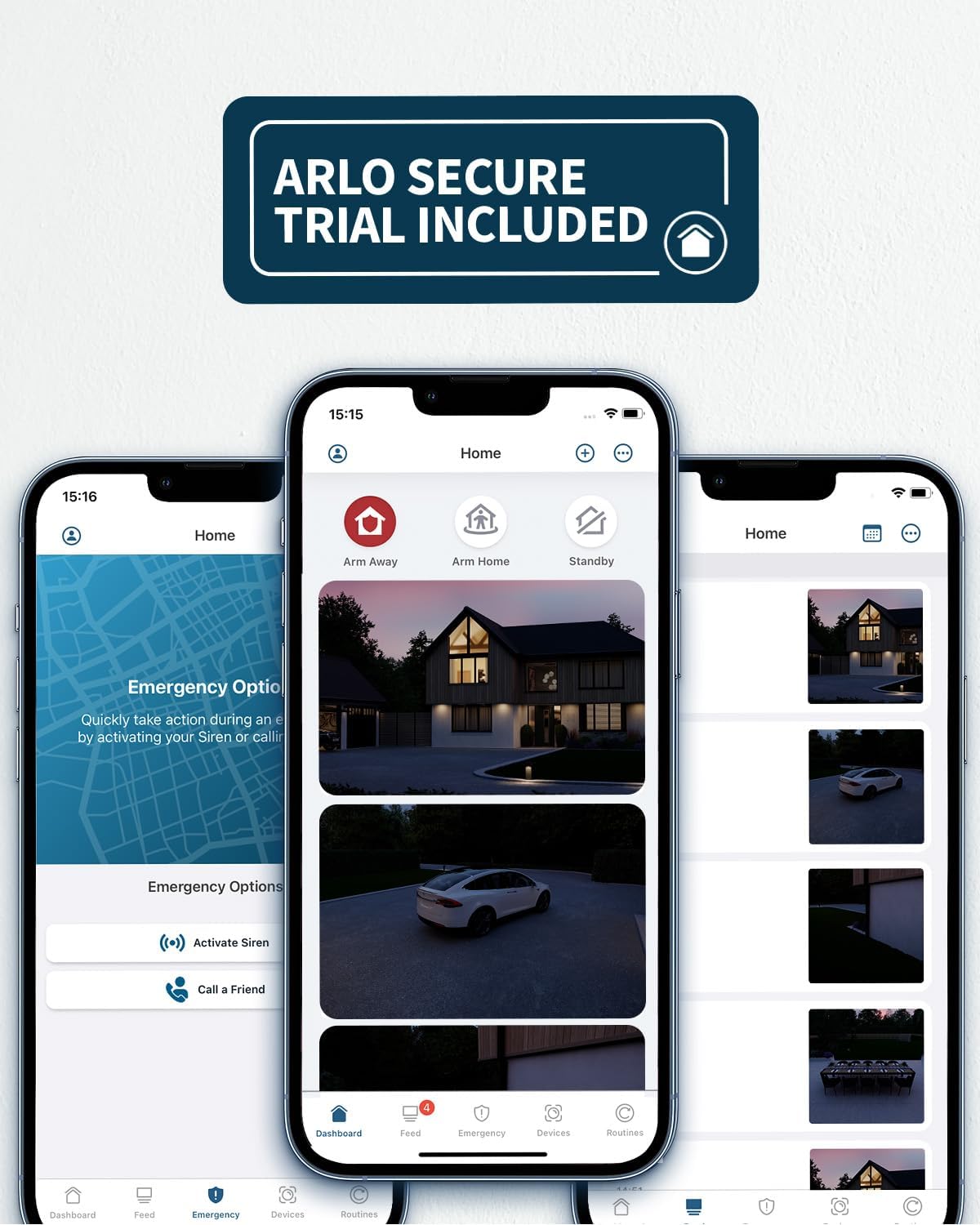
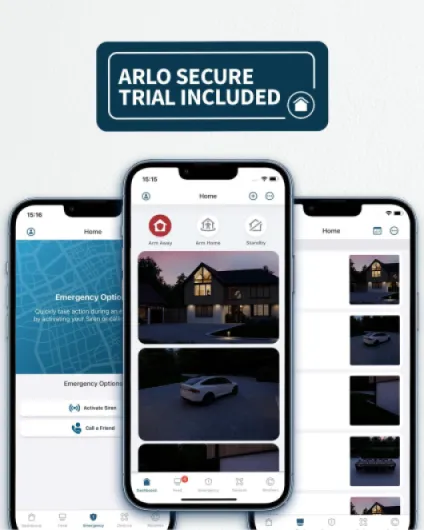
Where it gets a bit less fun is the whole subscription and connectivity story. Out of the box, you get a trial of Arlo Secure, which is where all the smart stuff lives: recording clips, distinguishing people/cars/animals, activity zones, longer history, etc. Once that trial ends, you basically fall back to live view and basic motion alerts. So if you want any kind of proper security history, you’re realistically paying monthly, unless you also invest in a base station for local storage.
So in short: it’s not perfect, but it gets the job done if you set it up properly and accept the ongoing costs. If you have a flaky Wi‑Fi signal by your front door, or if you hate subscriptions, you’ll probably be swearing at it. If your Wi‑Fi is solid and you’re already in the Arlo ecosystem, it fits in nicely and does its job without too much drama after the first setup days.
Value for money: good within Arlo’s world, less so if you hate subscriptions
In terms of price versus what you get, I’d say the Arlo Essential Wireless Doorbell is fair but not a bargain. You’re paying for a decent camera, flexible power options, solid app features, and integration with the wider Arlo ecosystem. If you already have Arlo cameras and maybe a smart hub, this doorbell makes a lot more sense — it plugs into your existing setup, uses the same app, and you can share the same subscription plan and storage.
Where the value drops is if you treat it as a standalone doorbell and expect everything to be free after purchase. The reality is: without Arlo Secure, you lose most of the smart features people actually want from a video doorbell. No long‑term cloud recordings, limited smart detection, and less control over what triggers alerts. Yes, you can technically use it without a subscription, but then it’s basically a live‑view doorbell with notifications, which for the price feels a bit weak compared to some cheaper brands that include basic recording on an SD card or local storage.
You can improve the value slightly by pairing it with an Arlo base station for local recording, but that’s more money and only really worth it if you’re going all‑in on Arlo cameras around the house. If you’re fine paying a monthly fee and you want the easier cloud solution, then the price feels more acceptable — you’re paying for convenience and integration, not just the hardware.
So, is it good value? For someone already in the Arlo ecosystem and okay with a subscription: yes, it’s pretty solid. For someone who wants a one‑off purchase with no ongoing costs and simple local recording, it’s not the best choice. There are cheaper doorbells that do the basics without tying you to a monthly bill. It really comes down to whether you see this as a long‑term platform or just a single gadget.
Design and build: looks neat, but it’s still a plastic box
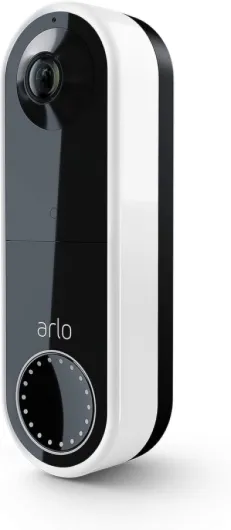
Design‑wise, the Arlo Essential Wireless Doorbell is pretty straightforward. It’s a tall, slim, rectangular unit (about 143 x 47 x 35 mm) with a white body and black camera section. It doesn’t scream “industrial security camera” on the front of the house, which I liked. It looks clean enough next to a normal front door, not like you’ve mounted a CCTV dome outside a bank. If you’re picky about aesthetics, it’s fine — not stylish, not ugly, just neutral.
The housing is made of polycarbonate plastic. It feels decent in the hand, not cheap toy‑level, but you can tell it’s still plastic. On the door, it looks solid enough, and the IP65 waterproof rating is reassuring. Mine has been through rain and some cold nights and hasn’t shown any sign of water getting in or fogging on the inside. It’s rated for outdoor use and, based on my experience so far plus user reviews, it handles typical UK/European weather without drama.
The button is large and clear, with a light ring that helps visitors see where to press, especially in the dark. It gives a clear click when pressed, so people know they’ve actually rung. The camera lens and sensor sit above, and because of the 180‑degree field of view, you don’t need to aim it too precisely, but the angled mount helps if your door frame is off to the side. I used the angled plate to tilt it towards my path, and that made a real difference to motion detection and framing visitors.
Overall, from a design point of view, it’s functional and thought‑through more than pretty. The good: slim profile, clear button, optional angled bracket, and it doesn’t look out of place. The downside: it’s still a glossy plastic gadget on your wall, and if you’re expecting something that looks like part of a designer door set, this isn’t it. But for a security product, it’s totally acceptable and doesn’t feel flimsy.
Battery life and power options: decent, but depends on how busy your door is
The doorbell runs on a 6500 mAh rechargeable battery, and in my case, battery life has been decent, not mind‑blowing. With motion detection on, a few visitors a day, and some live view checks, I’m seeing roughly 2–3 months per charge. If you live on a busy street where people walk past constantly, expect less. The more motion events and recordings, the quicker it drains. That’s just how these battery units work; it’s not unique to Arlo.
Charging itself is simple but a bit annoying: you have to pop the doorbell off the mount with the little release pin, bring it inside, and charge it via the included cable. It’s not hard, but it’s one more thing to remember. If your front door is high or awkward to reach, this will annoy you quicker. The app gives you battery level, and I’d suggest recharging before it hits very low, because when it dies, it dies — no doorbell, no camera.
The smarter option, if you already have a wired doorbell and transformer, is to connect it to that. The Arlo can use the existing wiring to trickle charge the battery, so it stays topped up. That’s what I ended up doing, and it’s honestly the way to go if you can. My existing mechanical chime still works, and I don’t have to think about charging anymore. It’s not 100% plug‑and‑play, but if you’re comfortable switching two wires, or get someone handy to do it, it’s straightforward.
Overall, I’d say: on pure battery, it’s fine for light to moderate use, but heavy traffic doors will find it a bit tedious to keep charging. The flexibility is nice — you can start wireless and later wire it in. Just don’t expect 6+ months battery life in real‑world conditions, especially if you’re using high sensitivity motion and lots of recordings with Arlo Secure. For what it is, the power options are practical, but not magic.
Durability and support: hardware seems ok, customer service is another story
On the physical side, the doorbell feels like it can handle normal outdoor life. It’s IP65 rated, meaning it’s fine with rain and dust, and user feedback backs that up — plenty of people have had it on their doors through rain, snow, and sun without it falling apart. The plastic hasn’t warped or discoloured for me so far, and the button still clicks properly. So from a pure build perspective, it seems reasonably durable for a consumer product.
Where things get more worrying is long‑term reliability and after‑sales. There are reviews from people whose units died after around 2 years, and they struggled badly with Arlo’s support, especially in the UK/EU. One reviewer mentioned a completely dead front door camera after two years, and then a nightmare trying to claim warranty or even contact a real person. The official warranty is 1 year, which is not great for something that’s meant to guard your house long term. If it fails at 18–24 months, you may be on your own.
From my side, I haven’t had a hardware failure yet, but I did test their support once for a configuration issue. Getting past the chatbot is annoying, and it’s not as simple as calling a number. You’re pushed towards online help and community forums. Eventually I got an answer, but it took more effort than it should. For a security product that people rely on daily, that doesn’t inspire a ton of confidence.
So in terms of durability, I’d split it: hardware build and weather resistance: pretty solid for a plastic, consumer doorbell. Long‑term peace of mind and support: weaker, especially if you’re outside the US. If you’re the kind of person who expects a camera like this to last 4–5 years without hassle, you might find Arlo’s warranty window and support structure a bit tight and frustrating.
Performance: works well… if your Wi‑Fi is solid
This is where things get interesting. When the Wi‑Fi signal is strong, the Arlo doorbell works pretty well. When I first tested it indoors near the router, live view loaded in a couple of seconds, and button presses triggered calls to my phone within about 1–3 seconds. Motion alerts popped up quickly, and the video was smooth enough to see faces clearly. In that situation, I had nothing to complain about; it felt responsive and usable.
Then I mounted it outside, about one solid wall and a hallway away from the router, and the story changed. At first, I had long delays — live view taking ages to connect or failing, button presses sometimes taking 30–90 seconds to reach my phone, and audio lag that made conversations awkward. This lines up with that Amazon review where the guy almost returned it. The fix for me was the same: I added a Wi‑Fi extender in the hall and gave it 24 hours. After that, the doorbell stabilised and behaved much better, with notifications back down to a few seconds and live view connecting reliably.
So performance is heavily tied to your network. If your router is far from the front door or your walls are thick, budget for a Wi‑Fi repeater or mesh node. Once the signal is strong, motion detection is pretty accurate, and the 180‑degree vertical field of view is genuinely useful. You see people from head to toe, plus any parcels on the floor. Motion alerts are frequent though, especially without properly tuned activity zones (which you only get with subscription), so be ready to tweak sensitivity or you’ll get spammed by every cat and car.
In daily use now, I’d say performance is good but not flawless. It does what I need: I can see and talk to delivery drivers, check who rang when I wasn’t home (with the subscription), and quickly open live view if something happens outside. But it’s not immune to the occasional slow connection or failed live view, especially if my home Wi‑Fi is under load. Compared to a wired doorbell cam that doesn’t rely as much on Wi‑Fi strength, this one is more sensitive to your network quality, so keep that in mind.
What you actually get with this Arlo doorbell
Out of the box, the Arlo Essential Wireless Video Doorbell gives you everything you need to get it on the wall and working, as long as you have Wi‑Fi. You get the doorbell itself, a rechargeable battery (6500 mAh), a USB charging cable, flat and angled mounting plates, screws, a release pin, and some wire extensions if you want to hook it into your existing doorbell wiring. There’s a quick start guide that’s basic but enough to get you going if you’re even slightly handy.
The doorbell connects over Wi‑Fi directly to your router, no hub required, which is nice if you don’t want extra boxes. It runs either fully on battery or wired to your existing chime transformer (24V). If you wire it, the transformer basically keeps the battery topped up, so you don’t need to take it off the wall every few months. The camera records at 1080p HD with HDR, has a 180‑degree viewing angle in a square format (1536x1536), motion detection, night vision, a built‑in siren, and two‑way audio so you can talk through the app.
In practice, the big selling points are: vertical field of view (seeing head‑to‑toe and packages), direct video call to your phone when someone presses, and integration with Arlo Secure (cloud storage, smart detection, activity zones). Without the subscription, you still get live view, motion alerts, and two‑way talk, but no real recording history unless you also have a compatible Arlo base station for local storage. A lot of people miss that detail and only realise after the free trial ends.
Compared to cheaper video doorbells from brands like Ring or generic Chinese models, this one sits in the mid‑high range. It’s not the cheapest, and it expects you to either pay monthly or invest in the broader Arlo ecosystem. If you’re just looking for a basic one‑off purchase with free recording and don’t care about fancy detection, there are simpler options. If you already have Arlo cameras or plan to, this doorbell just slots into that setup and makes more sense.
How well it actually protects your front door
As a basic front‑door security tool, the Arlo Essential Doorbell does its job pretty well, with a few caveats. The camera quality is good enough to clearly see faces, recognise delivery drivers, and read larger labels on parcels. The vertical 1:1 video is one of the best parts: instead of a wide but short strip, you see from the doorstep up to the person’s head. For checking if a parcel was left or if someone is messing around with your door, that format is honestly more useful than the usual 16:9.
Motion detection is quite sensitive. Out of the box, it can trigger on cars passing, cats, foxes, and random shadows depending on where you place it. With the Arlo Secure subscription, you can filter to people, cars, animals, and packages, and set activity zones. That makes a big difference. Without the subscription, it’s more basic: you get motion alerts, but you can’t fine‑tune as much, so you either tolerate more false alerts or reduce sensitivity and risk missing some events. It still works, just not as cleanly.
The two‑way audio is handy. I’ve used it to tell couriers where to leave packages, or to answer the door when I’m upstairs. There’s a slight delay, but nothing crazy when your Wi‑Fi is behaving. The built‑in siren is more of a bonus feature. You can trigger it from the app or set it to go off on motion, but I don’t really see myself using that much — it’s there if you want to scare someone off, but I’d rather rely on the camera and notifications.
As a security solution, I’d say it’s effective enough for normal home use: you know who came, when, and what they did, especially with cloud recording. But if you’re thinking long‑term evidence (theft, vandalism, etc.), then the subscription and reliable cloud backup become almost mandatory. Without recordings, you just have live view and your memory, which is not really “security” in my book. So yes, it helps, but the full protection people expect from a video doorbell only really kicks in when you accept the ongoing cost.
Pros
- Good 1080p image with useful vertical 180-degree field of view (you see people and packages clearly)
- Flexible power options: battery or wired to existing doorbell transformer with trickle charging
- Works well with Arlo ecosystem and app, with fast direct call to phone when Wi‑Fi is strong
Cons
- Most useful features (recordings, smart detection, zones) require a paid Arlo Secure subscription after trial
- Performance is very dependent on strong Wi‑Fi signal near the door, often needs an extender
- Short 1-year warranty and mixed reports about difficult customer support, especially in UK/EU
Conclusion
Editor's rating
Overall, the Arlo Essential Wireless Video Doorbell is a solid front‑door camera if you know what you’re getting into. The image quality is good, the vertical 180‑degree view is genuinely useful, and the two‑way audio plus direct call to your phone makes handling deliveries and visitors much easier. The hardware feels decent, it survives bad weather, and installation is manageable for most people, especially if you start on battery and later wire it in.
However, it’s not a magic solution. Performance depends heavily on your Wi‑Fi strength, so if your router is far from the front door, expect to buy a repeater or mesh node. The real value of this doorbell also sits behind the Arlo Secure subscription: cloud recordings, smart detection of people/cars/animals, activity zones, and longer history. Without that, it’s basically a live‑view doorbell with alerts, which is okay but not great for the price. Add to that a 1‑year warranty and mixed feedback on customer support, and it’s clear this isn’t the most worry‑free choice for long‑term security.
I’d recommend it to people who already own Arlo cameras, have decent Wi‑Fi coverage at the front door, and don’t mind paying a monthly fee for proper security features. It fits nicely into that ecosystem and does its job reliably once set up right. If you want a simple, one‑time‑purchase doorbell with free local recording and minimal app hassle, or if you’re allergic to subscriptions and weak support, I’d look at other brands first.