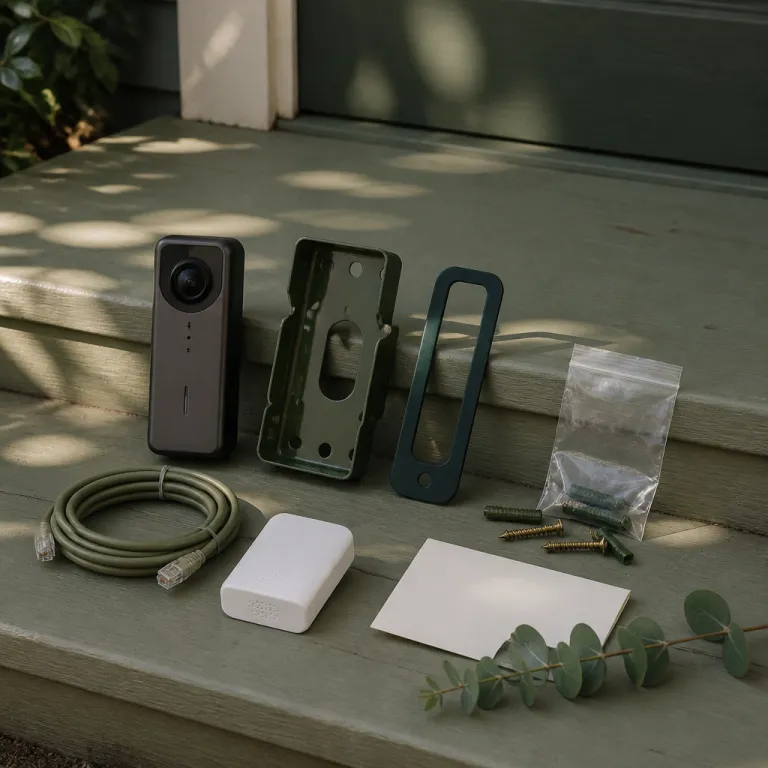
National Night Out as a reset for neighborhood safety conversations
National Night Out, launched in 1984 and now coordinated by the nonprofit National Association of Town Watch, turns an ordinary summer evening into a rare street meeting. According to the official National Night Out program, millions of residents in all 50 states participate each year in front-porch gatherings, block parties, and safety demonstrations. On this night, residents across the United States step outside together, talk with neighbors, and meet local police department teams focused on public safety. That shared time on the sidewalk is the perfect backdrop to reframe your Ring doorbell and doorbell camera as tools for safer communities rather than silent surveillance devices.
Think of your front step as a small community hub, not just a threshold. When you stand beside your Ring smart doorbell during National Night Out, you can explain how the camera sees the sidewalk, where its motion zones stop, and how you set privacy zones to avoid filming neighbors’ windows. That simple walk-through helps skeptical neighbors ring in with questions and shows that technology can help neighborhoods stay safer while still respecting boundaries.
Many police and law enforcement agencies now attend National Night Out block parties. Some officers will talk about neighborhood watch basics, local crime trends such as package theft or car break-ins, and how residents can share information without oversharing video. For example, several U.S. cities publish policies explaining how detectives may request doorbell footage after a reported crime and that homeowners can decline or limit what they share. Use that moment to ask how your Ring app settings, your Neighbors app posts, and your neighborhood watch chats can support public safety without turning every passerby into a suspect.
Using Ring as a community tool, not a surveillance spotlight
The National Night Out Ring doorbell neighborhood conversation starts with intent. You are not installing a Ring camera to monitor neighbors; you are using a doorbell camera to watch your own entry and help communities stay more aware of real risks like package theft or attempted break-ins. Framing it this way when you talk with neighbors, doorbell by doorbell, makes the technology feel like shared infrastructure, not a private spyglass.
During your block gathering, open the Ring app and show your motion zones. In the Ring app, tap the three-line menu, choose Devices, select your doorbell, then open Motion Settings and Motion Zones. Explain how you narrowed them so the camera will not trigger every time a car passes at night, and how that reduces alert fatigue for anyone who shares access. Then demonstrate how the Ring interface lets you mute audio, set privacy zones, and limit how long clips are stored under Video Settings and Privacy, which reassures residents who worry about constant recording.
The Neighbors app can be a powerful bridge when used carefully. Instead of posting every minor motion alert, agree with your neighbors that you will only share clips about clear safety issues, like suspicious door checking or verified package theft, and label each post with the closest street address or intersection rather than a person’s name. Ring’s own Neighbors community guidelines emphasize avoiding discriminatory language and focusing on specific behavior, not appearance. When you talk about these norms on National Night Out, you help neighborhoods stay calmer by setting expectations before the next tense incident, and you turn Ring neighbors into a real-time support network instead of a rumor mill.
For families building a broader system beyond the front step, pairing your doorbell with a backup alarm hub can be smart. A guide on using a Ring alarm as a secondary safeguard when a camera alone is not enough explains how an alarm siren, sensors, and the doorbell camera can work together so your neighborhood watch efforts are backed by reliable hardware, not just good intentions.
Practical ways to share coverage, set limits, and avoid friction
On National Night Out, walk the block with a few interested neighbors and map your coverage. Stand at each porch, open the Ring app, and check how far each Ring doorbell and Ring camera reaches, then note the gaps where no cameras see the sidewalk or shared driveway. This quick audit helps residents coordinate without pressure, and it shows that the National Night Out Ring doorbell neighborhood approach is about filling blind spots, not stacking overlapping cameras on the same front yard.
As you talk, be explicit about what you will not record or share. Tell neighbors that your safety Ring setup is aimed at your steps and packages, not their children playing, and that you will blur faces or trim clips before any Neighbors app post unless there is a serious crime. When everyone hears that commitment from multiple residents, communities stay calmer when a real-time alert eventually appears about a suspicious person or a late-night car break-in.
Use this seasonal check-in to tune the hardware as well. Clean the doorbell camera lens, test the battery level on wireless units, and listen for any humming from your transformer; if you notice a buzzing sound, a detailed guide on why a doorbell transformer might buzz and how to fix it can prevent failures before autumn storms arrive. When your equipment is stable and your settings are clear, your Ring smart devices quietly support safer neighborhood living instead of becoming one more thing that fails the night you actually need it.
Seasonal tune up: settings, permissions, and expanding beyond the door
August is a natural moment to reset your digital boundaries. Before the school year and early sunsets return, open the Ring app and Neighbors app to review who has shared access, which devices are linked, and how often you receive alerts at night. Tightening these controls now keeps your National Night Out Ring doorbell neighborhood commitments aligned with your daily routines once life gets busier.
Check your notification schedule so your phone will not buzz every time a moth flies past the camera. In the Ring app, go to Devices, choose your doorbell, and open Motion Alerts and Smart Alerts to set people-only detection where available, narrow motion zones to the walkway, and use snooze features during kids’ playtime so your neighborhood watch efforts focus on genuine safety, not normal family noise. These tweaks help communities stay engaged because residents see fewer false alarms and more relevant real-time information when something unusual happens.
For households ready to treat the front door as one piece of a larger safety Ring, consider adding sensors for windows, garages, and interior spaces. A detailed overview of Ring sensors that extend protection beyond the doorbell shows how extra devices can alert you to fire, water leaks, or air quality issues that a camera alone cannot address. Used thoughtfully, this broader Ring ecosystem turns individual cameras into part of a coordinated public safety mindset, where residents, Ring users, and local law enforcement all understand the limits and strengths of the technology.
FAQ
How should I talk about my Ring doorbell with skeptical neighbors on National Night Out ?
Start by explaining exactly what your doorbell camera sees and what it does not. Show live video in the Ring app, outline your privacy zones, and make clear that you will only share clips about genuine safety issues, such as attempted crime or package theft. Inviting neighbors to stand in different spots while you adjust motion zones in real time turns a tense topic into a collaborative neighborhood watch exercise.
Is the Neighbors app helpful for safety, or does it just create fear ?
The Neighbors app can support safer communities when residents post thoughtfully. Focus on clear incidents, like verified thefts or suspicious door checking, and avoid sharing clips that only show ordinary behavior, such as dog walking or kids playing. When you combine that restraint with respectful language and avoid guessing about people’s motives, you help communities stay informed without amplifying anxiety.
Should I share Ring footage directly with the police department ?
In many parts of the United States, law enforcement can request video from residents after a reported crime, but you usually choose whether to share. A good practice is to reserve direct sharing for serious incidents, such as burglary attempts or violent crime, and to tell nearby residents when you have provided footage so the community understands how the cameras are being used. National Night Out is an ideal time to ask local police officers how they handle such requests and what they recommend for your neighborhood.
How often should I review my Ring settings and shared access permissions ?
A seasonal review around National Night Out is a practical baseline. Check who has access to your Ring devices, confirm that former roommates or babysitters are removed, and adjust motion and notification settings for the coming months. This habit keeps your safety Ring configuration aligned with your household’s real-life patterns instead of outdated assumptions.
What is the difference between using Ring as a neighborhood asset and as surveillance ?
Using Ring as a neighborhood asset means aiming cameras at your own property, limiting what you record, and sharing only when there is a clear safety reason. Surveillance behavior usually involves pointing cameras at neighbors’ homes, posting frequent clips of ordinary activity, and treating every stranger as a suspect. If you focus on your doorway, communicate openly, and agree on posting norms with neighbors, your National Night Out Ring doorbell neighborhood setup supports trust instead of eroding it.