Summary
Editor's rating
Value for money: who this makes sense for
Design and build: looks modern, but clearly budget plastic
Battery life: usable, but don’t expect miracles
Weather, build and long-term concerns
Video, motion detection and app: decent, with a few rough edges
What you actually get and how it works day to day
Pros
- 7" indoor touchscreen makes it easy to see visitors without using a phone
- Local TF card storage included, with no mandatory cloud subscription fees
- 1080p video, night vision and PIR motion detection are good enough for everyday home security
Cons
- Indoor monitor battery life is short and basically needs to stay plugged in
- App is functional but can be laggy, with some delays when connecting to live view
- No simple option to replace just the outdoor doorbell unit if it fails

Specifications
View full product page →| Brand | XPJ |
A video doorbell for people who don’t want a subscription
I’ve been using this XPJ wireless doorbell camera with the 7" touchscreen monitor for a little while now, mainly because I was tired of cloud subscriptions and juggling my phone every time someone rang. I wanted something that just sits at home, records locally, and lets me see who’s at the door without messing around with logins and monthly fees. This kit pretty much fits that brief, but it comes with a few trade-offs you should know about.
The setup in my case was for a regular house front door, not an apartment block or anything fancy. I mounted the bell by the door, put the monitor in the hallway near a socket, and linked it to the Tuya app on my phone. I’ve used Ring and Eufy doorbells before, so I had a decent comparison in mind for video quality, motion alerts, and overall hassle. Straight away, this felt more “no-frills but practical” than those bigger brands.
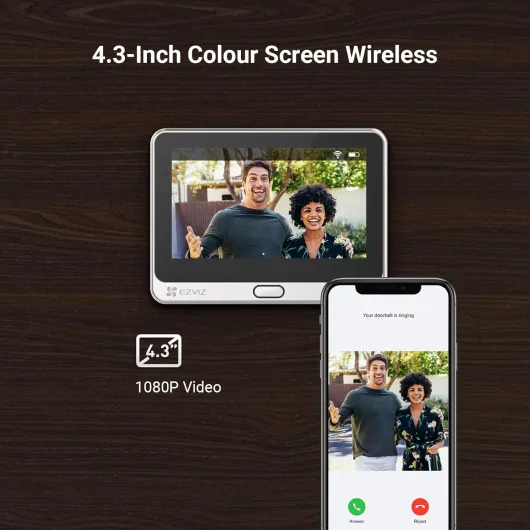
The first thing that stood out is the 7" screen. Compared to checking a tiny phone screen, it’s just easier, especially when you’re half asleep or your hands are busy. On the flip side, that bigger screen eats battery fast, so you basically have to keep it plugged in if you want it to be useful all day. If you’re expecting a tablet-level battery, you’ll be disappointed.
Overall, my first impression was: solid idea, decent execution, but clearly a budget system. It does the job of letting you see and talk to whoever is at your door, and it avoids all the subscription traps. But in terms of polish, app smoothness, and little quality-of-life details, it’s not on the same level as the big names. Whether that’s a dealbreaker really depends on what you care about more: low ongoing cost, or a slicker experience.
Value for money: who this makes sense for
Looking at the price bracket and what you get, I’d say this XPJ set is decent value if your priorities line up with what it offers: local storage, a big indoor screen, and no monthly fees. Compared to Ring or Nest, you’re giving up polish, app speed, and brand ecosystem, but you’re saving on ongoing subscription costs and you get that 7" monitor thrown in, which those brands simply don’t include. If you or someone in your house doesn’t like relying on a smartphone for everything (older parents, for example), that monitor is actually a big deal.
For the money, you get: a 1080p camera, PIR motion detection, two-way audio, night vision, Wi‑Fi, an indoor monitor with local storage, and a 32 GB TF card already included. No need to buy extra storage or sign up for a cloud plan. So from a features-per-pound angle, it’s pretty solid. The compromises are in the rough edges: slightly laggy app at times, average audio quality, sensitive motion detection, and the fact the whole system feels more like a basic appliance than a polished smart home product.
If you’re the kind of person who wants everything seamless, super responsive, and tightly integrated with Alexa/Google/HomeKit, you might be happier spending more on a better-known brand and just accepting the subscription. But if you mainly want a straightforward way to see who’s at your door, talk to them, and have recordings stored locally without extra bills, this offers good bang for the buck. Especially for families where not everyone is tech-savvy, the always-there monitor is worth quite a bit.
Overall, I’d call the value “good but not unbeatable.” There are cheaper standalone Wi‑Fi doorbells out there, but they usually skip the indoor screen or push cloud storage. There are also more refined systems that cost more and look nicer. This XPJ sits in the middle: not fancy, not terrible, just a practical option that makes sense if you care more about function and no subscriptions than about brand and top-tier finish.
Design and build: looks modern, but clearly budget plastic
Design-wise, the XPJ kit looks decent from a distance. The doorbell unit in silver and gray looks modern enough next to the door and doesn’t scream “cheap gadget” at first glance. The monitor is a simple black/gray slab with a 7" screen on the front and basic touch controls. If you’re expecting Apple-level finish, forget it, but for a security gadget that sits in a hallway, it’s fine. It blends in and doesn’t look out of place.
When you actually handle the units, you can tell the materials are mostly lightweight plastic. Nothing feels like it’s going to fall apart instantly, but it’s clearly not premium. The buttons on the doorbell have a slightly “clicky” feel, not mushy, which is good, and the casing fits together reasonably well. The IP55 rating is enough for typical rain and bad weather; I wouldn’t power-wash it directly or mount it where it gets hammered by sideways rain all day, but for normal UK-style drizzle and showers, it holds up.
The monitor is where the design shows its compromises. The bezels around the 7" screen are fairly thick, so it looks more like an older tablet. It’s not a big deal for function, but it does feel a bit dated. Also, because of the built-in battery and electronics, it has some thickness to it. On a table or shelf, that’s no issue, but wall mounting it means you’ve got a chunky rectangle on the wall. The screen itself is okay: not razor-sharp, but clear enough to see faces and text.
One important design point: they warn you not to install the doorbell on a metal door because it kills the wireless signal. That’s not just marketing talk; I tested it close to a metal frame and the connection got flaky. So if you’ve got a steel door, you’ll probably need to mount it slightly off to the side on the wall. Overall, the design is practical and functional, but it’s obvious where they saved money: plasticky feel, thicker monitor, and a more “utility” look than something you’d proudly show off.
Battery life: usable, but don’t expect miracles
The battery story on this kit is pretty simple: the doorbell battery is okay, the monitor battery is basically backup-only. The doorbell has a 7000 mAh battery, and in normal use (a few rings a day, moderate motion triggers) you’re looking at maybe 4–6 weeks before it needs a recharge. That lines up with the 45–60 days they mention, but only if your motion settings aren’t maxed out and you don’t spam live view all the time. In colder weather or with lots of motion, you’ll be charging it more often. It’s not terrible, but if you’re lazy about charging, you might find it annoying.
The indoor monitor is another story. It has a 5000 mAh battery, but the 7" screen drinks power quickly. In my experience, plus what other users say, you’re getting a few hours of continuous use, not a full day. It’s fine if you just pick it up occasionally and then put it back, but if you want it on standby and ready all day, you basically have to leave it plugged in permanently. They even say in the description that it’s recommended to keep it charging all the time, which tells you everything you need to know.
For me, that means I treat the monitor like a small wired screen rather than a portable tablet. I put it near a socket in the hallway and just leave the cable in. The internal battery then becomes more of an emergency backup if the power goes out or you want to carry it to another room for a short while. If you were hoping to walk around the house all day with it like an iPad, that’s not going to happen.
The nice thing is you do have the option to hardwire the doorbell to existing 12–24 V doorbell wires. If you do that, battery life basically stops being an issue and you only have to worry about the monitor. So if you already have an old wired doorbell and don’t mind a bit of DIY, I’d honestly recommend wiring it in. It turns the system from “remember to charge another gadget” into something much closer to set-and-forget.
Weather, build and long-term concerns
In terms of durability, the doorbell unit feels reasonably solid for a plastic device. The IP55 water resistance rating is enough for front door use in rain, wind, and general bad weather. I’ve had it out in multiple rainy days and it didn’t fog up or glitch. The buttons still work fine, and there’s no sign of water getting into the seams. I wouldn’t mount it somewhere fully exposed to direct horizontal rain without some kind of overhang, but for a typical door with a small porch or slight recess, it should cope long term.
The plastic casing doesn’t feel like it would survive a serious impact or vandalism, but that’s the case with most consumer doorbells. If someone really wants to rip it off the wall, they can. The smart part here is that the TF card is stored in the indoor monitor, not in the doorbell itself. So if the outdoor unit gets smashed or stolen, you still have the recorded footage inside. That’s a simple but important design choice that helps with real-world security.
The monitor itself is more protected since it stays indoors. Again, the plastic feels basic but not flimsy. The touch screen has held up fine so far, with no weird ghost touches or dead spots. The bigger worry long term is the internal battery, which, like most cheap lithium batteries, will probably lose capacity over a couple of years. Since you’re likely to keep it plugged in most of the time anyway, that’s not a huge issue unless you really rely on carrying it around unplugged.
One thing that does concern me a bit is the lack of an easy way to buy just a replacement doorbell unit. If the outdoor camera fails out of warranty or gets damaged, you’re probably stuck replacing the whole kit instead of just swapping the bell. For a budget product, that’s not shocking, but it does make it feel less future-proof. So durability is fine for day-to-day weather and normal use, but from a long-term “can I repair or replace parts?” angle, it’s not ideal.
Video, motion detection and app: decent, with a few rough edges
On performance, I’d call this system “good enough” rather than impressive. The 1080p video does its job: you can clearly see who’s at the door in normal daylight, and you can recognize faces at typical talking distance without zooming. It’s not ultra sharp or super vibrant, but for security, it’s perfectly fine. Night vision also works reasonably well. The infrared kicks in automatically in low light, and you get a clear black-and-white image with enough detail to see faces and general movement. The claimed 50 m night range is optimistic in real life; for a front door, you’re more in the 5–10 m useful range, which is plenty for most users.
Motion detection is where things are a bit mixed. The PIR sensor does react quickly, and you get alerts on the monitor and app fairly fast, but it can be a bit too eager. On medium sensitivity, passing cars and people on the pavement at the edge of the frame triggered it more than I’d like. Dropping the sensitivity helps, but then you risk missing someone who stands further back. It’s usable, but you might need a few days of trial and error to get the angle and settings where you want them. The good thing is: once it triggers, the recording starts promptly and you can review it on the monitor or phone.
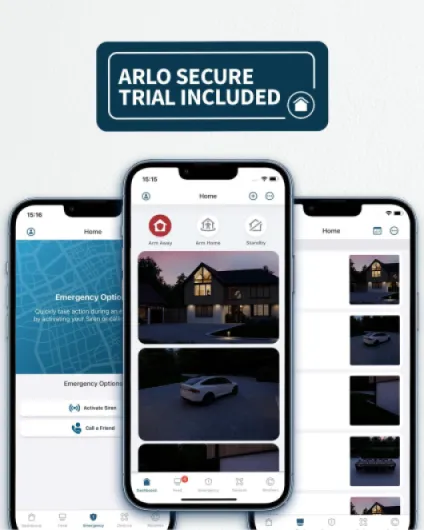
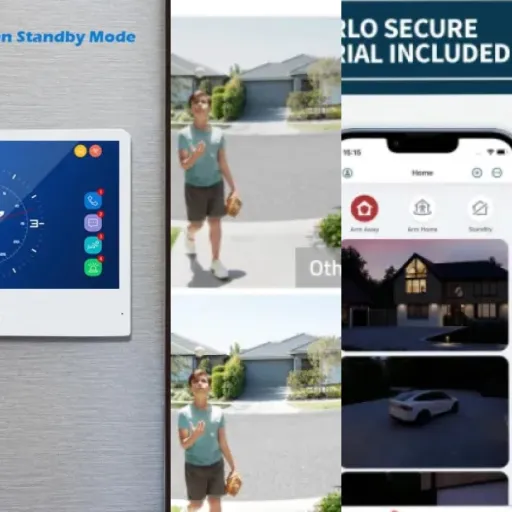
The Tuya app integration is a nice bonus if you already use other Tuya/Smart Life devices, but it’s not the smoothest experience. Sometimes there’s a slight delay when you open a live view, and occasionally it takes a couple of tries to connect to the feed. Audio through the app is okay but a bit compressed. For quick “who’s there?” checks, it’s fine, but it doesn’t feel as snappy as something like Ring. The plus side is: no forced subscription, and you can share access with family members easily.
One annoying limitation: the system relies heavily on the monitor being powered on. If the monitor is off or out of battery, the whole setup feels less responsive and you’re basically pushed to use only the app. For me, the whole point of this product is that screen, so having to keep it plugged in all the time to get consistent performance is a bit of a downside. Still, once everything is powered and set correctly, the system is reliable enough for everyday use.
What you actually get and how it works day to day
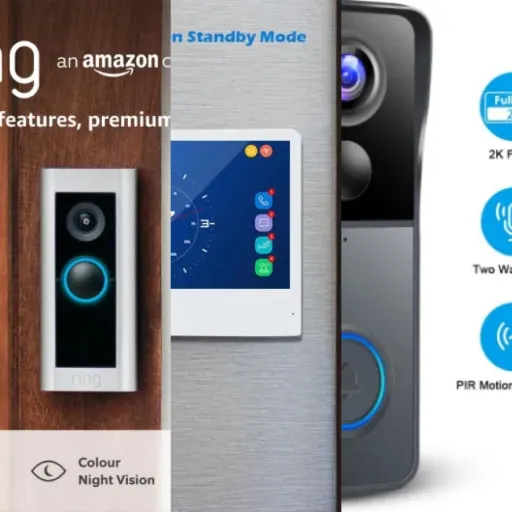
This kit is basically two main pieces: the outdoor doorbell camera and the indoor 7" touchscreen monitor. The doorbell has a 1080p camera, PIR motion detection, two-way audio, night vision, and it runs off a 7000 mAh battery unless you hardwire it. The monitor has its own 5000 mAh battery, local storage via a 32 GB TF card, and Wi‑Fi to hook into the Tuya app. No cloud subscription is required for basic recording, which is a big plus if you hate recurring fees.
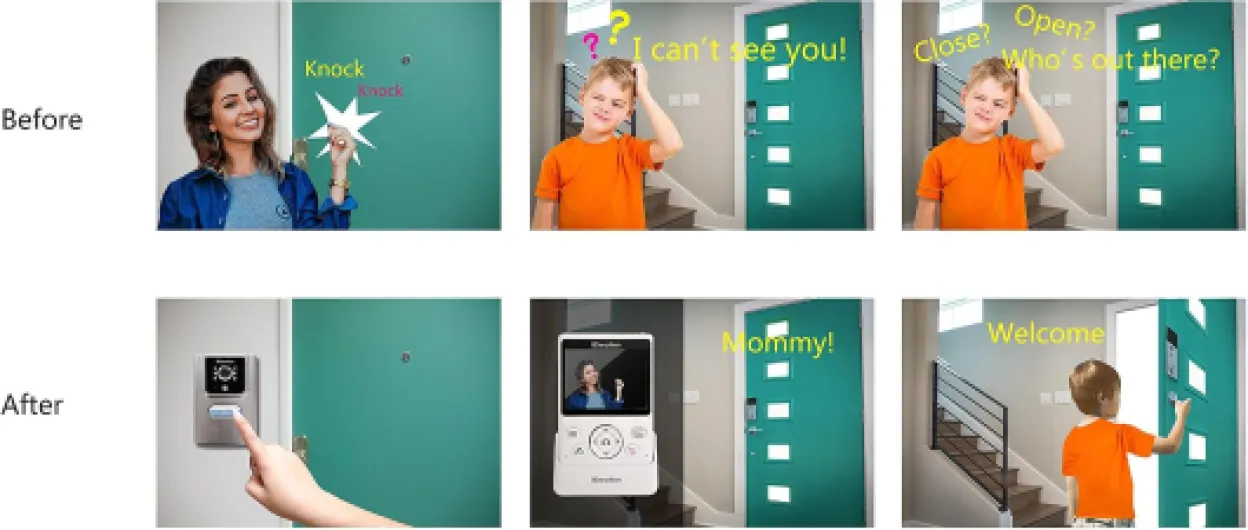
In practice, the system works like this: someone walks up to your door, the PIR sensor triggers, and you get an alert on the monitor and your phone (if you’ve set up the Tuya app). If they press the doorbell, the monitor rings and you can see them on the screen. You can talk to them through the monitor or through your phone. Video gets saved locally on the TF card that sits inside the monitor, not outside in the bell, which is a smart move security-wise. If someone steals or smashes the doorbell, you still have the recordings inside.
During use, I noticed the motion detection is on the sensitive side, even at medium settings. Cars going past at the edge of the frame sometimes triggered alerts. It’s not unusable, but expect more notifications than you might strictly need until you tweak the settings or adjust the camera angle. Video quality is fine for identifying faces at typical door distance; it’s not cinema quality, but for a basic security check it gets the job done.
The whole system feels like an “all-in-one starter pack” for someone who wants a doorbell camera but doesn’t want to mess around with separate NVRs, cloud accounts, or buying SD cards. You take it out of the box, pair the two units, mount the bell, and you’re pretty much ready. Just keep in mind: this is more of an entry-level setup with a handy monitor, not a high-end security system with tons of advanced features and fine-tuned controls.
Pros
- 7" indoor touchscreen makes it easy to see visitors without using a phone
- Local TF card storage included, with no mandatory cloud subscription fees
- 1080p video, night vision and PIR motion detection are good enough for everyday home security
Cons
- Indoor monitor battery life is short and basically needs to stay plugged in
- App is functional but can be laggy, with some delays when connecting to live view
- No simple option to replace just the outdoor doorbell unit if it fails
Conclusion
Editor's rating
After living with the XPJ Wireless Doorbell Camera and 7" monitor, my overall feeling is that it’s a practical, budget-friendly system that gets the basics right but doesn’t try to be anything more. The best part is the combination of the indoor screen and local storage with no monthly fees. For households with older people, or anyone who doesn’t want to pull out a phone for every ring, that big screen is genuinely useful. Video quality is decent, night vision works, two-way audio is clear enough, and the PIR motion detection does what it’s supposed to, even if it can be a bit overenthusiastic at times.
On the downside, you can feel the budget nature in a few areas: plasticky build, monitor battery that’s basically meant to stay on charge, an app that’s functional but not slick, and the slightly annoying fact that the whole system relies on that monitor being powered on to feel complete. The lack of easy replacement for just the doorbell unit also makes it less future-proof than I’d like. If you’re chasing the smoothest app experience and tight smart-home integration, you’ll probably be happier with a more expensive brand and accepting their subscriptions.
If you want a straightforward doorbell camera with a dedicated screen, local recording, and no ongoing fees, this is a solid option. It suits families, tech-shy users, and anyone who just wants to see who’s at the door without turning it into a whole smart-home project. If you’re picky about design, app polish, or long-term expandability, I’d look higher up the range or at bigger brands instead.