Battery versus wired doorbells: which power option fits your home
People comparing the best HD video doorbells often start by asking whether a wired doorbell or a battery doorbell is more reliable. A wired model usually offers the most stable power for continuous recording, frequent live video checks, and integration with existing chimes, which matters if you treat the doorbell as part of a larger system of security cameras. A battery powered doorbell camera gives you flexibility for brick walls, rented homes, or gates far from mains wiring, but you must manage battery life carefully to avoid gaps in security, especially in homes with heavy foot traffic.
Battery doorbells from brands such as Ring, Nest, and Lorex now use efficient chips and motion zones to save power while still capturing critical doorbell video clips. When you choose a Ring battery model, look at the quoted months of use per charge and then mentally reduce that figure if you expect heavy traffic, harsh winters, or frequent live view checks. For deeper comparisons of top performing cordless options, many readers turn to independent rankings of top battery powered video doorbells that test real world endurance and charging convenience, including measured recharge times and motion event counts per day.
Wired doorbells, including each wired Ring Pro model and the Nest doorbell wired version, avoid charging but demand more effort at installation time. If you already have a traditional chime and transformer, an electrician can often adapt that wiring to support a modern video doorbell pro or other pro level doorbells with higher power needs. For new builds or major renovations, planning for wired doorbells and complementary security cameras from the start gives you cleaner cabling, stronger Wi Fi placement, and more reliable cloud storage or local storage options, because you can position routers and hubs with coverage and bandwidth in mind.
Resolution, field of view, and night vision in HD doorbell cameras
Image quality defines whether the best HD video doorbells genuinely help you identify visitors or just provide vague silhouettes. A good video doorbell camera should offer at least 1080p resolution, but many of the newest model lines now push into 2K or even higher, which gives you more detail when you zoom into recorded doorbell video. The trade off is that higher resolution video doorbells generate larger files, so you must think about storage, bandwidth, and whether you prefer cloud storage or local storage on a microsd card, especially if your internet plan has strict data caps.
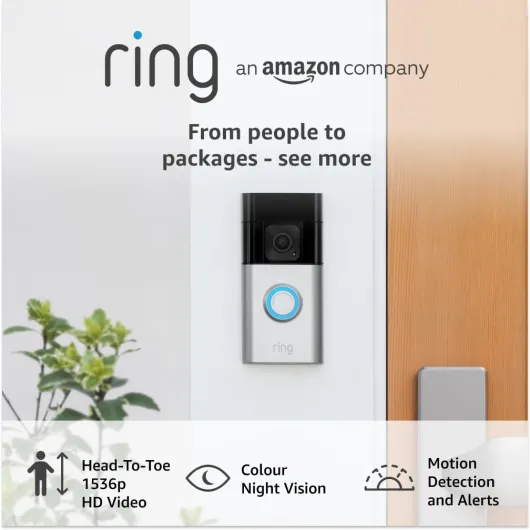
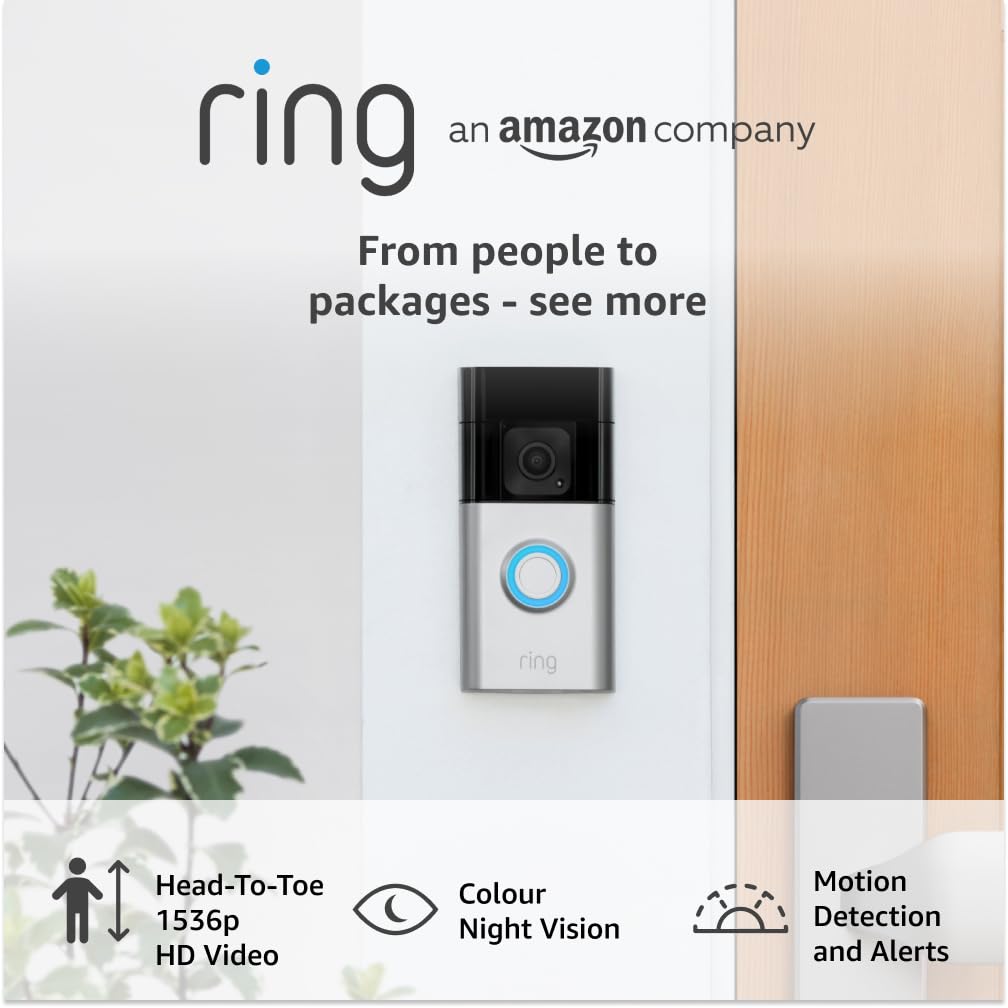
Field of view is just as important as raw pixels, because a narrow lens can miss packages or people standing to the side of the doorbell. Look for cameras and doorbells that offer vertical views wide enough to show head to toe framing, especially when you mount the doorbell lower than eye level or near stairs. Independent tests of top 2K video doorbells show that a taller aspect ratio often matters more than a few extra pixels when you want to see parcels on the ground and faces at the same time, and many reviewers now publish measured horizontal and vertical field of view angles in degrees.
Night vision performance separates average doorbell cameras from the best, because many incidents happen in dim light. Some video doorbell models rely on basic infrared night vision that produces monochrome video, while others add a small spotlight to capture colour footage that can reveal clothing details or car colours. When you compare each new generation of doorbell or the latest HD release, check sample clips in both day and night conditions, and remember that a pro tier doorbell pro often includes better lenses and sensors than entry level doorbells, along with higher maximum bitrates that preserve more detail in shadows.
Cloud storage, local storage, and subscriptions for video doorbells
Once you capture HD video, you must decide how and where that footage is stored for later review. Many of the best HD video doorbells rely on cloud storage, which uploads each doorbell video clip to remote servers where you can access recordings from your phone, tablet, or browser. This approach usually requires a monthly subscription, but it protects your evidence even if someone steals the doorbell camera or damages your home network, and it often includes automatic software updates that improve detection accuracy over time.
Ring, for example, offers Ring Protect plans that bundle cloud storage for multiple cameras and doorbells, along with extended warranties and smart alerts that distinguish people from vehicles. Without a Ring Protect subscription, a Ring battery doorbell or wired Ring Pro model still sends live alerts, but you lose the ability to save and review past video doorbells events beyond a short window. Competing brands such as Nest doorbell and Lorex cameras follow similar patterns, where the best features sit behind subscription tiers that you must factor into the long term cost of ownership, including higher resolution recording and longer clip retention.
Some homeowners prefer local storage because they want to save footage on site using a hub, network video recorder, or a simple microsd card inside the doorbell. Lorex and other manufacturers offer security cameras and doorbells with built in slots for a microsd card, which can reduce ongoing costs but requires you to manage capacity and backups yourself. Hybrid systems that combine cloud and local storage give you redundancy, and a detailed lab review of a wired 5 MP video doorbell with local storage hub shows how integrated home hubs can centralise recordings from multiple doorbell cameras and security cameras.
Smart features, integrations, and choosing the right Ring or Nest model
Beyond basic video and audio, the best HD video doorbells now act as smart sensors that integrate with wider home ecosystems. A smart doorbell can trigger lights, lock or unlock smart locks, and send rich notifications to phones, watches, and smart speakers, which turns a simple chime into a full security workflow. When you compare each Ring, Nest doorbell, and Lorex model, map their integrations with platforms such as Amazon Alexa, Google Home, and Apple Home, because this determines how smoothly your doorbell works with existing devices and voice assistants.
Ring offers several generations of video doorbells, from entry level Ring battery units to the more advanced Ring Video Doorbell Pro and Pro 2, each with different resolutions and fields of view. The newest Ring releases often add improved night vision, better microphones, and refined motion detection zones that reduce false alerts from passing cars or swaying trees. If you already own Ring security cameras indoors or outdoors, staying within the Ring ecosystem and adding a compatible video doorbell pro can simplify your app experience and allow a single Ring Protect subscription to cover all cameras and doorbells.
Nest doorbell models, both wired and battery, integrate tightly with Google services and can use on device intelligence to recognise familiar faces when you opt in and comply with local privacy rules. Lorex focuses more on professional style security cameras and doorbells with strong local storage options, which appeal to people who want to save footage without ongoing cloud costs. When you weigh these ecosystems, think about how many doorbells, cameras, and other smart devices you plan to add over time, because switching platforms later can be more expensive than choosing the right model family from the start.
Privacy, data protection, and practical buying tips for HD video doorbells
Any device that records video at your front door raises legitimate questions about privacy, data handling, and legal responsibilities. The best HD video doorbells now include privacy zones that let you block parts of the camera view, such as neighbouring windows or public pavements, which helps you respect local regulations and community expectations. Before you install a video doorbell or additional security cameras, check national and regional guidance on recording audio and video in shared spaces, and consider placing a small notice that informs visitors about active recording so expectations are clear.
Data protection extends beyond what the camera sees, because you must also understand how cloud storage providers handle your footage. Read the privacy policies for Ring Protect, Nest Aware, and any Lorex cloud services to see how long they retain doorbell video, whether they use encryption, and how you can delete clips or export evidence when needed. If you prefer more control, a system that supports local storage on a microsd card or a secure home hub lets you save recordings on your own network, though you then become responsible for backups and physical security of that hardware.
When you finally choose among the best HD video doorbells, create a simple checklist that covers resolution, night vision, power type, storage method, subscription cost, and ecosystem fit. Compare at least two wired doorbells and two battery doorbells, and look at both the newest model and the previous gen, because last generation devices often offer excellent value while still delivering strong HD video. Think about how many doorbells and cameras you might own in three years, and choose a platform that can scale from a single doorbell camera today to a full set of security cameras and smart sensors tomorrow without forcing you to replace everything.
Key figures about HD video doorbells and home security adoption
- Market research from firms such as Statista reports that smart video doorbell shipments exceeded several million units globally in a recent year, reflecting rapid adoption as prices fell and HD cameras became standard.
- Consumer surveys from organisations like Consumer Reports indicate that more than half of smart doorbell owners primarily value motion activated alerts and remote video access, while a smaller share focus first on package theft prevention.
- Independent lab tests published by major technology magazines show that many leading HD video doorbells can capture recognisable faces at distances of around 4 to 6 metres in daylight, but performance can drop significantly at night without strong infrared or spotlight support.
- Studies of burglary patterns by national crime agencies consistently find that visible security devices, including cameras and video doorbells, can act as deterrents, with some reports suggesting that homes with such equipment are targeted less frequently than comparable properties without them.