Wired versus battery doorbells for reliable smart security
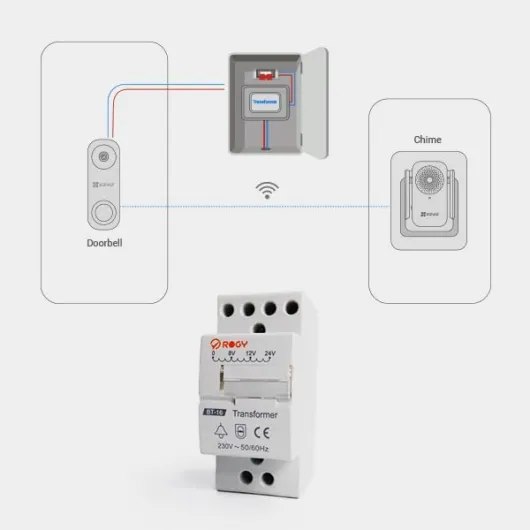
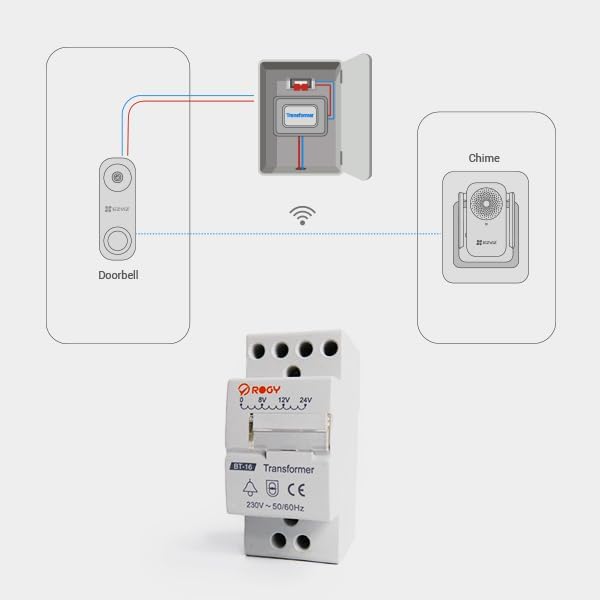
Choosing between a wired doorbell and a battery doorbell is one of the most important decisions when comparing the best dual band Wi Fi video doorbells. A wired video doorbell draws constant power from your existing chime circuit, which supports continuous recording, reliable night vision, and fewer maintenance tasks. Battery powered doorbells are easier to install on a gate or apartment door, but their battery life depends heavily on motion activity and Wi Fi strength, with typical runtimes ranging from about one to six months between charges in real world use.
Ring wired models and Ring Doorbell Pro devices illustrate the advantages of a stable power source for best video quality and advanced motion detection features. For example, a Ring Video Doorbell Pro 2 can maintain 1536p resolution, HDR processing, and always on pre roll without worrying about draining a battery. If you cannot access existing wiring, a Ring plug in adapter can turn your video doorbell into a reliable wired system without opening walls, and detailed guidance is available through this plug in adapter wiring guide. In both wired and battery doorbell designs, dual band Wi Fi helps reduce retries and failed uploads, which in turn preserves battery and improves responsiveness.
Smart home users who rely on amazon alexa or Google Assistant often prefer wired doorbells for always on integration with routines and announcements. However, a battery doorbell can still work well when paired with strong Wi Fi and carefully tuned motion zones to limit unnecessary detection events. For many households, the doorbell best compromise is a pro model that supports both hardwiring and a backup battery, ensuring the camera and motion alerts keep working during short power cuts and router reboots.
Top ecosystems for dual band video doorbells and assistants
When you compare the best dual band Wi Fi video doorbells, the broader ecosystem matters as much as the hardware. Ring, Arlo, Tapo, and Nest doorbell ranges each integrate differently with amazon alexa, Google Assistant, and sometimes both platforms. Your choice of smart assistant and existing security cameras should guide which video doorbell or video doorbells family you select, because mixing ecosystems can add cost and complexity.
Ring video doorbell models work especially well with amazon alexa, enabling announcements on Echo speakers and live video on Fire TV devices. Some households also use alexa google combinations, where amazon alexa handles voice announcements while Google Assistant manages routines with Nest displays, and in such cases a Nest doorbell or Arlo Video Doorbell can bridge both worlds. For a deeper comparison of leading dual band models across these ecosystems, you can consult this dedicated dual band Wi Fi video doorbells overview that focuses on interoperability and assistant specific features.
Arlo video doorbell devices and Arlo video compatible cameras often appeal to users who want flexible cloud plans and strong motion detection analytics. Tapo video doorbells from TP Link tend to offer competitive pricing and sometimes local storage options, which reduce reliance on a monthly subscription. Whichever ecosystem you choose, ensure that the doorbell camera, your router, and your smart displays all support dual band Wi Fi to avoid bottlenecks when streaming best video quality in high resolution, especially if you plan to add multiple cameras later.
Key features that define the best dual band Wi Fi video doorbells
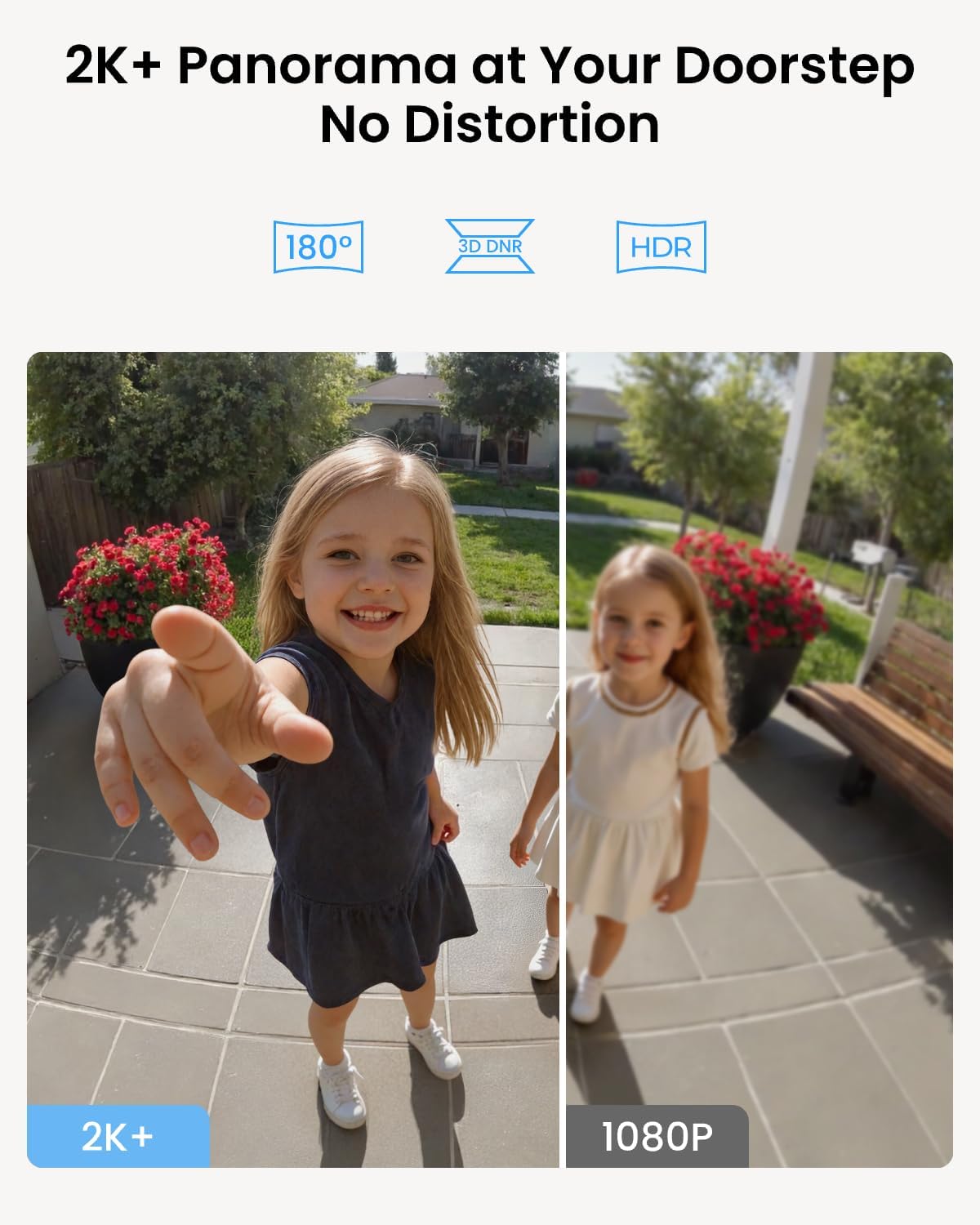
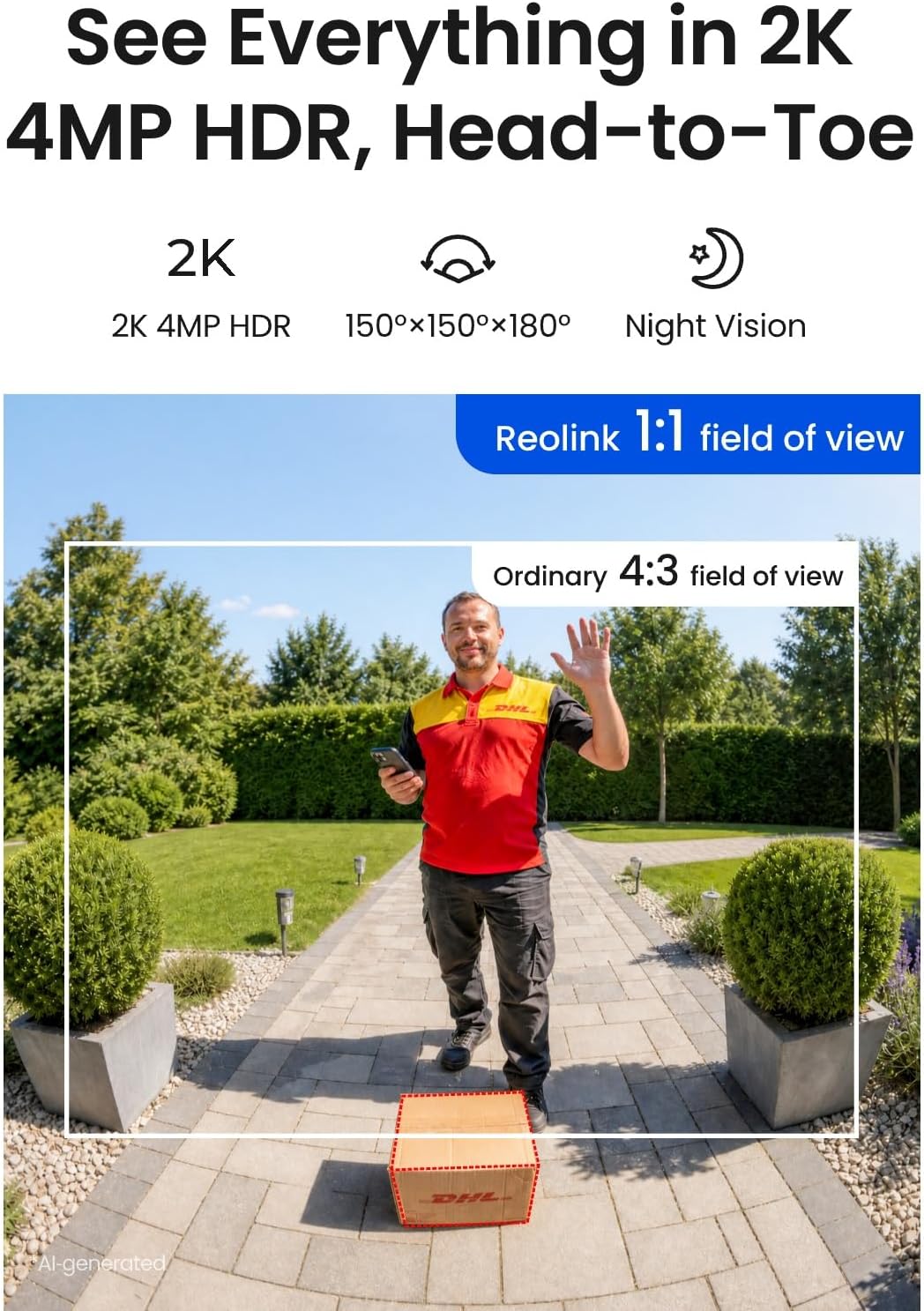
Several core features separate average products from the best dual band Wi Fi video doorbells on the market. High resolution video, usually 1080p or higher, combines with wide viewing angles to capture faces clearly at typical distances of 1 to 2 metres. Strong night vision or color night vision is essential, because many security incidents and deliveries occur in low light, and you want enough detail to read labels on packages or see clothing clearly.
Advanced motion detection is another pillar of a modern smart doorbell, and it now often includes person detection, package detection, and adjustable zones. These motion detection tools reduce false alerts from passing cars or tree branches, which is especially important for battery doorbells that must conserve power while still providing reliable security. Some models also offer pre roll video that records a few seconds before the motion event, giving you context about how someone approached your door and whether they lingered or simply passed by.
Subscription plans play a major role in unlocking the full features of many video doorbells, including cloud recording, rich notifications, and extended video history. Ring, Arlo, and Nest doorbell services each structure their subscription tiers differently, so you should review the cost per camera and the duration of stored clips before committing. If you prefer to avoid ongoing fees, look for doorbell camera options that support local storage on a microSD card or network recorder, while still benefiting from dual band Wi Fi for smooth remote access and quick clip downloads.
Power, storage, and network planning for multi doorbell setups
Once you install one high quality video doorbell, it is common to consider adding more doorbells around your property. A second ring style doorbell at a back door or garage can cover blind spots and complement existing security cameras that watch the driveway or garden. Planning power, Wi Fi coverage, and storage for these multi camera setups requires more care than a single front door installation, because each additional device adds bandwidth and storage demands.
Homeowners who mix a wired doorbell at the front with a battery doorbell at a side gate must balance convenience with maintenance. Wired models such as a doorbell pro or ring wired unit can run continuous recording and advanced analytics, while battery powered doorbells may rely more on efficient motion detection and shorter clips to preserve battery life. For practical guidance on positioning, Wi Fi planning, and avoiding cls fill layout issues in your app views, a detailed multi camera planning resource is available through this second Ring doorbell and multi camera planning guide.
Storage strategy becomes more complex when several video doorbells and security cameras share the same network. Some households choose a mix of cloud subscription plans for critical entrances and local storage for less sensitive areas, balancing cost and redundancy. Dual band Wi Fi routers with strong antennas and proper channel selection help ensure that each doorbell camera maintains best video quality without overloading the 2.4 GHz band, and manufacturer support pages often publish recommended upload speeds per camera so you can size your broadband connection accurately.
How to evaluate reviews and choose the right doorbell for you
Reading a review of the best dual band Wi Fi video doorbells requires more than scanning star ratings. Pay attention to comments about Wi Fi stability, motion detection accuracy, and night vision clarity, because these factors directly affect everyday usability. Look for reviewers who mention real world details such as wall thickness, router placement, and how often the battery needs recharging, and note whether they tested both 2.4 GHz and 5 GHz connections.
When comparing doorbells from Ring, Arlo, Tapo, and Nest doorbell lines, consider how each brand handles privacy, data retention, and subscription pricing. Some users prioritise local storage options to keep video clips on site, while others value the convenience of cloud access from any device, including amazon alexa and Google Assistant smart displays. Check whether the doorbell camera integrates smoothly with your existing alexa google setup, and whether features such as color night vision or advanced motion zones are locked behind higher tier plans or available on the base subscription.
It is also wise to test notification speed and two way audio quality during your return window. A doorbell that sends best video but delayed alerts may not meet your security expectations, especially if you rely on it to speak with couriers. By focusing on concrete performance metrics rather than marketing claims, and by cross checking key statistics against manufacturer spec sheets or independent lab tests, you can identify the doorbell best suited to your home, your network, and your daily routines.
Key statistics on dual band video doorbells and smart security
- Market analysts report that smart video doorbells now appear in roughly one out of five broadband connected homes in several major European countries, showing how quickly these devices have moved from niche gadgets to mainstream security tools; figures of this kind are typically published in annual smart home adoption reports from research firms.
- Independent Wi Fi testing has shown that dual band video doorbells can reduce connection dropouts by more than 30 percent compared with 2.4 GHz only models when used in multi device households with streaming and gaming traffic, according to lab style stress tests that simulate busy evening usage.
- Consumer surveys indicate that more than half of buyers consider integration with amazon alexa or Google Assistant a decisive factor, which explains why ecosystems such as Ring, Arlo, Tapo, and Nest doorbell platforms invest heavily in assistant compatibility and publish detailed compatibility matrices.
- Studies of night time incidents suggest that a significant share of suspicious activity around front doors occurs between 22:00 and 04:00, underlining the importance of strong infrared or color night vision in any best dual band Wi Fi video doorbells shortlist; police reports and insurance data often highlight this late evening and early morning window.
- Usage data from several brands shows that fine tuned motion detection zones can cut false alerts by up to 70 percent, which improves user satisfaction and extends battery life for wireless doorbells in busy urban streets, and these reductions are frequently cited in product white papers and firmware release notes.