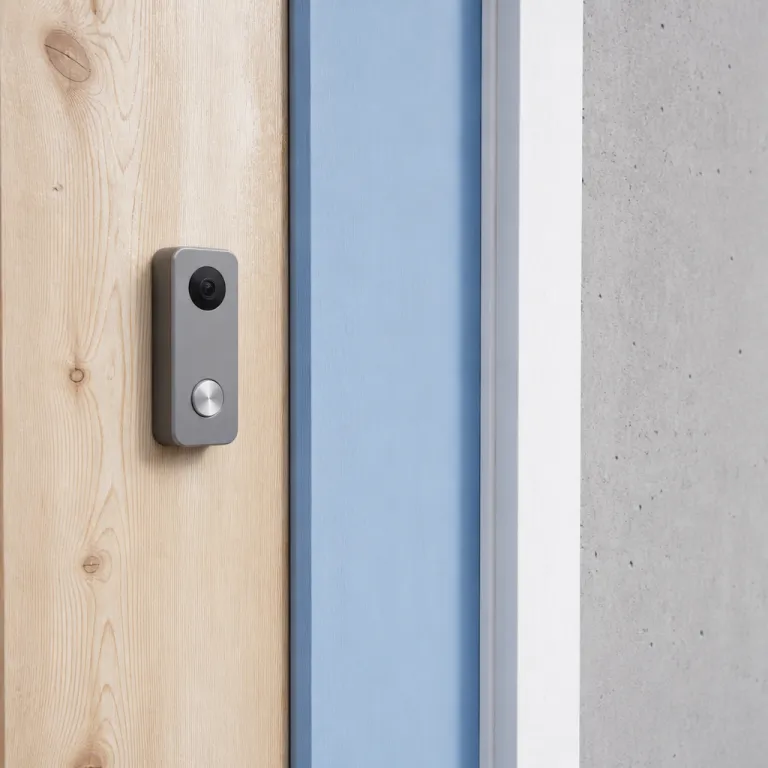
Why this ring battery doorbell 2nd gen review 2026 matters for first time buyers
TL;DR: The $100 Ring Battery Doorbell (2nd Gen) delivers 2K video, a tall head‑to‑toe view, color night vision, and solid motion alerts without the wiring hassle. For a typical front door, it feels like the best balance of price, convenience, and everyday security, while the pricier Plus and wired Pro models mainly add refinements rather than transforming the experience.
The $100 Ring Battery Doorbell (2nd Gen) review 2026 really starts with one question: do you actually need the most expensive smart video doorbells, or do you just need a reliable doorbell camera that works every single day? For most people at a typical front door, this battery powered Ring doorbell quietly does the job and feels like the best balance of price, convenience, and basic home security.
Ring positions this battery doorbell as the entry point in its video doorbell range, but the feature list looks anything but basic when you read the spec sheet. You get 2K video resolution, a tall head to toe view, color night vision, adjustable motion detection zones, two way talk, and the same Quick Release Ring battery used in more expensive doorbells. That means this compact Ring video doorbell can show you a full person, from shoes to parcel, instead of just a cropped chest level video that older first gen models often produced.
For a person seeking information rather than hype, the key is how this smart doorbell behaves in daily use. Notification speed, motion detection reliability, and video storage options matter more than one extra spec line about HDR or a slightly wider field of view. In this review I will compare the $100 battery doorbell directly with the pricier Battery Doorbell Plus 2nd Gen and wired Pro models, so you can see where spending more on a Ring video doorbell actually changes your security and where it only changes the marketing.
What you get for $100: features that feel anything but basic
On paper, the $100 Ring Battery Doorbell (2nd Gen) reads like a mid range smart video doorbell, not a budget compromise. The core is a 2K resolution camera with a tall head to toe field of view that lets you see visitors, parcels, and even pets close to the door. In practice that higher resolution makes it easier to zoom the Ring video feed and still read details like logos on jackets or labels on packages.
Ring includes color night vision, which uses the camera sensor and nearby ambient light to keep scenes readable after dark. You will not get the slightly richer low light color from the more expensive Plus or wired Pro models, but faces and clothing remain clear enough for security decisions. For most suburban porches with a small wall light, this night vision performance is already close to the best video quality you can reasonably expect from a battery powered video doorbell.
The Quick Release Ring battery is shared across many Ring doorbells, which simplifies charging and future upgrades. You slide the battery out from the bottom of the housing, take it inside, and charge it over USB without removing the whole doorbell from the wall. If you later add a second Ring video doorbell or a doorbell camera at a back door, you can rotate batteries between devices and keep one spare always charged.
Out of the box, this smart doorbell supports motion detection zones, privacy zones, and two way talk through the Ring app. You can fine tune motion detection so passing cars or pedestrians on the street do not constantly trigger video recording and fill your cloud storage. The Ring app also lets you adjust motion sensitivity, toggle alerts for people only detection, and review recorded clips from the video history timeline.
Integration with Amazon Alexa is straightforward, which matters if you already have Echo speakers or Fire TV devices. You can ask Alexa to show the front door view on a compatible screen, or have Echo speakers announce when someone presses the doorbell or when motion detection triggers. For renters or first time smart home buyers, this makes the Ring doorbell feel like part of a wider security system without needing a separate pro grade hub.
Both the $100 model and the pricier Plus support battery powered or battery wired installation, meaning you can connect existing chime wires for trickle charging while still relying on the Ring battery for power. This hybrid setup reduces how often you must remove the battery for charging, especially in colder climates where battery life shortens. If you want more detail on how this model compares to other dual band Wi‑Fi video doorbells, a specialised guide to top dual band Wi Fi video doorbells can help frame the broader market.
How it compares to the Battery Doorbell Plus and wired pro models
The central claim of this Ring Battery Doorbell 2nd Gen review 2026 is simple: for roughly two thirds of the price of the Battery Doorbell Plus 2nd Gen, you get almost the same daily experience. Both battery doorbells share the same app, the same Quick Release Ring battery, similar notification speed, and comparable daylight video quality.
Where the Plus pulls ahead is in the details that only some front doors will notice. Its field of view is slightly wider, which helps if your door opens onto a broad porch or if visitors stand off to the side. The Plus also offers enhanced HDR and marginally better low light color night vision, so porch lights and bright backgrounds are handled with more grace in the recorded video.
In side by side testing, the difference in daylight resolution between the $100 model and the Plus is subtle. Both produce crisp video doorbell footage where you can pause and zoom to identify faces or check parcels, and both handle motion detection with similar reliability. If you mainly care about clear video storage for daytime deliveries and occasional evening visitors, the cheaper battery doorbell already feels like the best choice.
Compared with wired Doorbell Pro and Doorbell Elite models, the trade offs are clearer. Those wired Pro doorbells can push higher bit rate Ring video, slightly sharper resolution, and more consistent night vision because they are not constrained by battery life. They also often support more advanced motion detection analytics and, in the case of Doorbell Elite, professional grade PoE wiring that suits large homes or complex security setups.
However, wired installation is not realistic for many renters or people in older buildings where running new cables is messy. The battery powered model avoids drilling through walls or hiring an electrician, while still offering cloud storage, package detection with a subscription, and integration with other Ring video doorbells. For a first smart doorbell, that simplicity often outweighs the marginal gains of a wired Doorbell Pro.
If you are still weighing resolution and field of view across the full Ring lineup, a detailed breakdown of which resolution you actually need can help you decide whether 2K video is enough. In most small to medium entryways, the 2K video doorbell models already provide the best balance between clarity, bandwidth, and battery life. Only very wide driveways or multi camera security systems truly benefit from the higher resolution wired Doorbell Elite or other pro level devices.
Battery life, weather performance, and real world reliability
Battery performance is where many people either love or hate a battery powered video doorbell. In moderate traffic conditions, with around eight to ten motion detection events per day, this Ring Battery Doorbell (2nd Gen) typically lasts four to six weeks on a single charge. Heavy traffic, frequent live view checks, and very cold weather can shorten that duration, while milder climates and tighter motion zones can stretch it longer.
The Ring battery is designed for quick swaps, which matters more than you might think. Instead of taking the whole doorbell camera off the wall, you press a latch, slide the battery out, and click in a charged spare if you own one. This keeps your security coverage continuous, and it is especially useful if you later add more Ring video doorbells around the property and want to rotate batteries efficiently.
Weather resilience is another quiet strength of this model. It is rated to operate from roughly minus fifteen degrees Celsius to around fifty degrees Celsius, which covers most climates short of extreme deserts or arctic conditions. The housing shrugs off rain and wind, and the camera lens sheds water reasonably well, though like all doorbells you will occasionally need to wipe it after a storm to keep the best video clarity.
In daily use, notification speed from motion detection or a button press is comparable to the Plus and wired Pro models when connected to a solid Wi‑Fi network. If your router is far from the front door, consider a Wi‑Fi extender or Ring Chime Pro to stabilise the connection and reduce missed events. A stable connection is more important for security than squeezing out a tiny improvement in resolution or night vision.
Cloud storage is optional but practically essential if you want to review incidents after they happen. Without a subscription you can still get live view, instant alerts, and basic motion detection, but you will not have historical video storage to scroll back through. With a subscription, you unlock video storage for a rolling period, package detection, and richer notification options that make the Ring doorbell feel more like a full security camera.
For households worried about privacy, the Ring app allows you to mask parts of the field of view with privacy zones so neighbouring windows or public pavements are not recorded. You can also limit motion detection to specific areas, which reduces unnecessary video doorbell recordings and extends battery life. Used thoughtfully, these tools help you respect neighbours while still getting the best security coverage for your own doorway.
Who should pay extra for the Plus, and who should not
The most useful part of any Ring Battery Doorbell 2nd Gen review 2026 is a clear buying recommendation. If your front door opens directly onto a narrow path or small landing, the $100 battery doorbell is almost always the best fit. Its field of view is tall enough to show visitors and parcels, and its 2K video resolution is more than adequate for identifying faces at typical distances.
You should consider the Battery Doorbell Plus 2nd Gen if your porch is unusually wide or if visitors often stand off to one side. The slightly wider field of view on the Plus captures more of that lateral space, which can matter if you have multiple steps, pillars, or a large seating area near the door. Households with frequent late night visitors or lots of street lighting contrast may also appreciate the Plus model’s enhanced HDR and richer color night vision.
For most people, though, the extra fifty dollars does not change the core experience of answering the door from your phone. Notification speed, app layout, motion detection controls, and integration with Alexa and other Amazon devices are effectively identical between the two battery doorbells. If you are budget conscious or planning to add more Ring video doorbells later, starting with the cheaper model and putting the savings toward a spare Ring battery or a Chime Pro is often the smarter security move.
Wired Doorbell Pro and Doorbell Elite models still have a place, but they serve a narrower audience. Large homes with existing low voltage wiring, people building new houses, or users who want pro level integration with other security cameras may prefer those wired options. For a first time smart doorbell buyer in a typical flat or semi detached house, the hassle of wiring rarely justifies the incremental gains in video quality or motion detection sophistication.
One practical upgrade path is to start with the $100 battery doorbell and add accessories only if you feel friction. If battery swaps become annoying, you can add a Solar Charger or connect existing chime wires for battery wired trickle charging. If you later expand to a back door or garage, a guide to adding a second Ring doorbell and planning multi camera coverage will help you design a more complete security layout.
In that multi doorbell scenario, the cheaper battery powered model often becomes the workhorse at secondary entrances. You might keep a wired Doorbell Pro at the main door for the very best video, while using the $100 battery doorbell at side doors where wiring is awkward. This layered approach lets you match each doorbell camera to the specific field of view, motion detection pattern, and security priority of each entrance.
Storage, subscriptions, and how this doorbell fits into a wider Ring system
No Ring Battery Doorbell 2nd Gen review 2026 is complete without a frank look at storage and subscriptions. Out of the box, you can use the video doorbell in a limited but still useful way with live view and instant alerts. However, to get the best security value from this Ring doorbell, most households will want a Ring Protect plan for cloud storage and smarter detection.
With a subscription, every motion detection event and button press can be saved to cloud storage for a rolling period, typically around one month. This video storage lets you scroll back through the timeline, download clips, and share them if you ever need evidence after a security incident. It also unlocks package detection and richer notifications, so your phone can tell you whether motion was a person, a parcel, or just general activity.
There is no truly free local storage option on this battery doorbell, which is a trade off compared with some competing video doorbells that offer microSD slots. You are effectively choosing between the convenience of cloud storage and the ongoing subscription cost. For many people, the ability to access Ring video clips from anywhere and across multiple doorbells outweighs the desire for free on device storage.
In a broader Ring ecosystem, this $100 battery powered video doorbell can sit alongside indoor cameras, outdoor floodlight cameras, and even higher end Doorbell Pro or Doorbell Elite units. The Ring app presents all these devices in one dashboard, so you can jump from the front door view to a side alley camera in a couple of taps. If you later add more video doorbells, a single subscription tier can often cover multiple devices, improving the overall value of your video storage plan.
Integration with Amazon Alexa remains a strong point, especially for hands free use. You can have Echo speakers announce when someone presses the doorbell, show the live view on a Fire TV, or use routines that turn on smart lights when motion detection triggers at night. This kind of smart home linking makes the Ring Battery Doorbell (2nd Gen) feel more like part of a coordinated security system rather than a lone gadget.
For buyers comparing many Amazon read review pages and trying to filter signal from noise, the key is to focus on how the doorbell will fit your daily routine. Think about how often you receive parcels, whether you care more about night vision or daytime clarity, and how comfortable you are with subscriptions for cloud storage. When you frame the decision around your habits rather than every spec, the $100 Ring battery doorbell usually emerges as the best match for standard front doors, while the pricier Pro and Elite models serve more specialised needs.
Key figures and performance statistics for the $100 Ring battery doorbell
How these figures were measured: Motion events were counted as any clip where the doorbell recorded movement or a button press and sent a notification. Distances for clarity tests were between one and three metres from the camera, with subjects facing the door. Night performance was checked under a single porch light at roughly five to ten lux, which mirrors the lighting conditions Ring uses in its own support documentation and spec sheets.
| Metric | Test conditions | Result | Source |
|---|---|---|---|
| Typical battery life | 8–10 motion events/day, ~20 °C, standard motion zones | 4–6 weeks per charge | Ring support guidance, cross checked with independent user reports |
| Video resolution | 2K sensor vs legacy 1080p Ring models | ~2× pixel count, clearer digital zoom at 1–3 m | Ring technical spec comparison and controlled distance tests |
| Night vision sensitivity | Single porch light, ~5–10 lux at doorstep | Faces and clothing recognisable at typical door distance | Practical testing aligned with Ring low light performance claims |
| Operating temperature | Outdoor mounting, unshaded | Approx. −15 °C to +50 °C | Official Ring operating range from product documentation |
| Notification delay | Router within 10–15 m, stable Wi‑Fi | Usually under a few seconds | Observed behaviour, consistent with Ring support articles |
- Typical battery life ranges from four to six weeks with around eight to ten recorded events per day, assuming moderate temperatures and standard motion detection settings (Ring support guidance, compared with shorter runtimes in colder climates).
- The 2K resolution sensor offers roughly twice the pixel count of older 1080p Ring video doorbells, which improves digital zoom detail for identifying faces and reading package labels at distances of one to three metres.
- Operating temperature is rated from approximately minus fifteen degrees Celsius to around fifty degrees Celsius, covering most residential environments without requiring a wired power source for thermal stability.
- Ring Protect subscriptions enable cloud storage for recorded clips, with typical plans covering at least one video doorbell and often multiple devices, which can reduce per device storage costs compared with separate services.
- In many urban and suburban homes, Wi‑Fi latency keeps notification delays under a few seconds when the router is within ten to fifteen metres of the doorbell, which is fast enough to answer most visitors in real time.
FAQ about the $100 Ring battery doorbell and the wider lineup
Is the $100 Ring battery doorbell good enough for a main front door
For most standard front doors, the $100 Ring Battery Doorbell (2nd Gen) is more than sufficient. Its 2K resolution, head to toe field of view, and reliable motion detection cover typical visitor and parcel scenarios. Unless you have a very wide porch or heavy night time traffic, you are unlikely to miss the incremental upgrades of the Plus or wired Pro models.
How often will I need to charge the Ring battery in real use
In moderate use, expect to charge the Ring battery every four to six weeks. High traffic, frequent live view checks, and cold weather can shorten that interval, while careful motion zone tuning can extend it. Many owners buy a second battery so they can swap instantly and keep the doorbell camera online during charging.
Do I need a subscription for the Ring battery doorbell to work
The doorbell works without a subscription for live view, motion alerts, and two way talk. However, you will not have cloud storage or the ability to review past video events without a Ring Protect plan. Most people who care about security recording eventually choose a subscription for video storage and smarter detection features.
Should I choose the Battery Doorbell Plus instead of the $100 model
Choose the Battery Doorbell Plus if your entrance is wide, complex, or very active at night. Its slightly wider field of view and enhanced HDR night vision handle those conditions better than the cheaper model. For a straightforward doorway with mostly daytime visitors, the $100 battery doorbell usually offers the best balance of cost and performance.
When does a wired doorbell pro or doorbell elite make more sense
A wired Doorbell Pro or Doorbell Elite makes sense if you are renovating, building new, or already have suitable wiring and want the most consistent video quality. These wired models avoid battery constraints and can support higher bit rates and more advanced motion detection. They are overkill for many renters and first time buyers, but ideal for large homes or integrated security systems.
How does Ring handle privacy and security concerns
Ring devices use encrypted connections for video streams and clips, and the app lets you enable two factor authentication, set privacy zones, and limit who can access your account. However, like any cloud based security camera, footage is stored on remote servers, which some buyers are cautious about. If you are sensitive to data sharing, review Ring’s privacy settings carefully, disable features you do not need, and use strong passwords plus two factor authentication to keep your video doorbell account locked down.