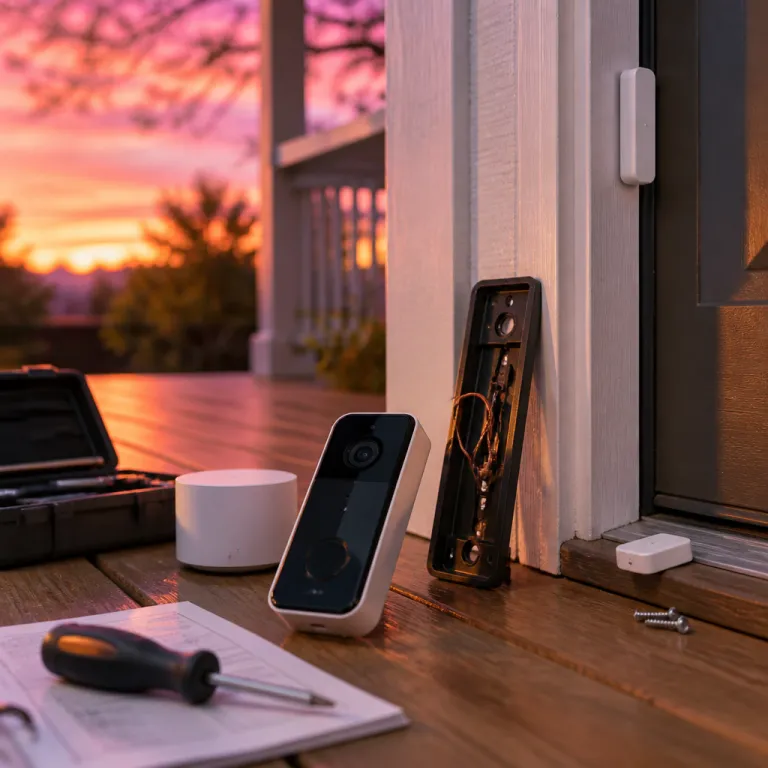
Why a ring alarm security system matters when the doorbell is only the first line
A video doorbell shows you who is knocking, but a full ring alarm security system decides what happens next. When an intruder tests a side window or back door, only an integrated alarm with sensors and a loud siren can turn a quiet probe into a very public event. For a security conscious family, the ring alarm system review question is not camera versus alarm, but how both layers work together as one system.
Think of the ring video doorbell and battery doorbell models as your eyes, while the alarm base and base station act as the nervous system that triggers a response. The ring app ties the video, the alarm security features, and the wider security systems into a single dashboard, so you can arm, disarm, and review events without juggling multiple apps. In daily use, that shared app experience matters more than any single spec on a camera or sensor.
Homes with visible alarm systems are significantly less likely to be targeted, and a ring alarm base station with a prominent keypad near the entry sends that message clearly. A lone battery doorbell or even several security cameras can record a break in, but the absence of a screaming siren and flashing alerts often means neighbours never notice until it is too late. A thoughtful ring alarm system review therefore weighs not only video quality, but how the alarm ring presence, signage, and audible deterrence change an intruder’s risk calculation.
From a journalist analyst perspective, the most compelling angle is how the ring alarm pro ecosystem turns a simple doorbell into part of a layered defence. The base station, contact sensors, motion detector units, and optional range extender devices create overlapping zones that protect hallways, bedrooms, and ground floor windows that a front camera never sees. When you read any ring alarm system review that focuses only on the doorbell’s video and ignores these alarm security layers, you are not getting the full story.
What ring alarm adds that your video doorbell and cameras cannot
A video doorbell, even a very capable battery doorbell, is reactive by design, because it only alerts when someone is already at the door. A ring alarm security kit with contact sensors and sensors motion coverage is proactive, because it watches every protected entry point and sounds the alarm before an intruder reaches the hallway. In a serious ring alarm system review, this difference between reactive video and proactive alarm monitoring is the first thing to understand.
The ring alarm base station includes a siren, battery backup, and radio link to every sensor, which means a single smashed keypad does not silence the system. When a contact sensor on a back door opens while the system is armed, the alarm base triggers an entry delay, then a full siren if nobody disarms through the keypad or ring app. That delay is crucial for families, because it gives you time to enter with groceries without waking children, while still keeping the alarm security posture strong.
Ring security cameras and the main video doorbell are excellent for identifying faces, packages, and licence plates, but they cannot call emergency services on their own. With a Ring Protect Pro plan and professional monitoring enabled, the alarm pro setup can request police, fire, or medical dispatch when specific sensors or motion detector units trip. This professional monitoring layer is what turns a ring alarm system review from a gadget comparison into a serious assessment of life safety and response times.
Integration also works in the other direction, because the ring alarm can use motion from cameras as part of its logic without replacing dedicated sensors. For example, you can keep the alarm system disarmed during the day, but still have the ring app send alerts when the video doorbell detects motion while children are home alone. If you later arm the full security system at night, the same cameras, contact sensors, and sensors motion network now work together to trigger the siren and, if you pay for it, professional monitoring.
When you compare this to a standalone smart doorbell from another brand, such as an Ecobee smart video doorbell that focuses on thermostat integration, the gap becomes clear. A detailed Ecobee smart video doorbell camera review shows strong video performance, but it still lacks the tightly coupled alarm base, keypad, and contact sensors that define a complete security system. That is why any ring alarm system review that treats the doorbell as optional misses how the alarm ring and base station transform a simple camera into part of a whole home defence.
How ring alarm and doorbells integrate in the app, and how competitors differ
The ring app is the control room where your video doorbell, battery doorbell, security cameras, and ring alarm security system finally feel like one product. You can arm the alarm base station to Home or Away, then see live video from cameras and the front doorbell on the same screen. In a practical ring alarm system review, this unified app experience often matters more than a few extra pixels of video resolution.
When you arm the ring alarm, you can set linked actions so that the video doorbell and other security cameras start recording as soon as a contact sensor opens. This means that if someone forces a side door, the motion detector in the hallway and the nearby camera both trigger, giving you sensor data and video evidence in one timeline. For families, that timeline in the ring app becomes a living log of who came and went, when the alarm ring armed, and how the system responded.
Alexa integration adds another layer, because you can ask a smart speaker to arm the security system or show the front camera on a screen. The alarm pro and base station can also sync modes with Alexa, so saying “goodnight” can arm the ring alarm, lock compatible smart locks, and adjust lights. This kind of routine turns a ring alarm system review into a lifestyle decision, because the system quietly shapes your evening habits without constant button presses.
Competitors like Arlo and Google Nest offer strong video cameras, but their alarm security options and professional monitoring plans differ significantly. A detailed comparison of Ring versus Arlo doorbells and cameras shows that Arlo leans heavily on video quality, while Ring leans on the depth of its security systems and monitoring options. When you already own a ring video doorbell, adding a ring alarm base station and security kit usually gives you a smoother upgrade path than mixing brands.
Traditional providers like ADT still offer robust security systems with professional monitoring, but they often require long contracts and professional installation. In contrast, a ring alarm security kit with a base station, keypad, and a handful of contact sensors can be installed by most homeowners in under an hour using adhesive strips. That ease of installation, combined with the familiar ring app interface from your existing doorbell, is a major reason many families choose Ring over legacy alarm security providers.
Hardware deep dive: kits, sensors, range, and the new Sidewalk powered devices
Ring sells the alarm system in bundles, with the five piece kit and eight piece kit being the most common starting points for small homes. A typical five piece security kit includes the base station, a keypad, a motion detector, and two contact sensors, which is enough for a flat or compact house. For a thorough ring alarm system review, you should map each sensor to a real door or hallway before you buy, rather than trusting generic kit sizes.
The base station is the heart of the security system, handling radio communication with every sensor and range extender in your home. Earlier generations meant that if a detached garage or far bedroom sat beyond the radio range, you needed a plug in range extender to keep contact sensors online. With the latest Sidewalk powered sensors, Ring is starting to reduce that dependence on the base station by letting some devices talk directly over the neighbourhood Sidewalk network.
These new sensors motion units and contact sensors can operate without a traditional hub, which changes how you plan your alarm base layout. In practice, this means you can place a motion detector in a shed or gate area that used to be just out of reach, while still tying alerts back into the ring app and alarm pro environment. For families with large gardens or outbuildings, this Sidewalk upgrade is one of the most important developments to mention in any current ring alarm system review.
Ring’s security cameras, including floodlight models, complement the alarm sensors by covering blind spots that a single video doorbell cannot see. When a motion detector in the driveway triggers, a nearby camera can start recording, while the alarm base station decides whether to sound the siren based on the system mode. This layered approach means you can tune sensitivity differently for cameras and sensors, reducing false alarms while keeping the security systems responsive.
Battery life and placement still matter, because a contact sensor on a frequently used door will drain faster than one on a window. The ring app helps by showing battery levels for each sensor, keypad, and range extender, so you can replace cells before they fail and compromise the alarm security posture. Over time, you will learn which doors, cameras, and sensors motion zones generate the most activity, and a good ring alarm system review should prepare you for that maintenance reality.
Monitoring plans, subscription costs, and when professional dispatch is worth it
Ring allows you to run the alarm system in self monitoring mode for no monthly fee, using the ring app for push alerts and manual calls. In this configuration, the base station still sounds the siren when a contact sensor or motion detector trips, but nobody at a monitoring station will call emergency services on your behalf. For some small flats or secondary homes, a self monitored setup can be enough, especially when combined with a reliable video doorbell and a couple of security cameras.
The step up is a Ring Protect subscription, which unlocks extended video history for your video doorbell and cameras, plus extra app features. When you choose the Ring Protect Pro plan, you also get professional monitoring for the alarm pro system, including cellular backup if your broadband fails. Over three years, the cost of a ring alarm kit plus a Ring Protect Pro plan is often lower than a comparable ADT contract, especially once you factor in installation fees.
For a family home, the professional monitoring upgrade is usually where the ring alarm system review tilts from “nice to have” to “essential”. If a break in happens while you are on holiday and your phone is off, a monitoring station can still call police when the alarm base station reports a confirmed intrusion. That difference between a missed push notification and an actual dispatch is why many security experts recommend professional monitoring for primary residences.
Subscription fatigue is real, and some buyers hesitate to add another monthly plan on top of streaming and mobile bills. It helps to look at the total security system cost over three years, comparing Ring Protect Pro to competitors like SimpliSafe, which also offers DIY hardware and professional monitoring. A careful ring alarm system review should show that while SimpliSafe can be cheaper in some configurations, Ring’s tight integration between the alarm ring, video doorbell, and ring app often delivers better day to day usability.
If you want a detailed breakdown of subscription tiers, device limits, and long term costs, a dedicated guide to Ring subscription pricing and features is worth reading alongside this analysis. That kind of resource helps you decide whether to start with self monitoring and later upgrade to professional monitoring as your needs change. Whatever you choose, make sure your ring alarm system review of costs includes both hardware and subscription, because the plan you pick shapes how the security systems behave in real emergencies.
Setup reality, daily use, and when Ring beats or loses to rivals
Most households can install a ring alarm security kit in under an hour, using adhesive strips for contact sensors and a simple power outlet for the base station. The ring app walks you through pairing each sensor, naming rooms, and testing the siren, which makes the process approachable even if you have never touched an alarm before. For renters, the lack of drilling and the ability to move the entire system later is a major advantage over wired security systems.
Daily life with a ring alarm and video doorbell quickly settles into a routine of arming at night and disarming in the morning. The keypad near the main door becomes muscle memory, while the ring app handles occasional remote checks when a child gets home from school or a parcel arrives. Over time, the best compliment you can give the system is that you forget it is there until the alarm base station or security cameras catch something unusual.
Where Ring clearly wins against many rivals is in the breadth of its ecosystem, because you can start with a single battery doorbell and gradually add an alarm base, contact sensors, and extra cameras. Each addition slots into the same ring app, so you never feel like you are juggling separate systems or learning new interfaces. For a security conscious family, that incremental path from simple video doorbell to full alarm security system is often more realistic than a one time, whole house installation.
Ring does have weaknesses, especially if you dislike subscriptions or prefer local only video storage. Some competitors emphasise on device recording or offer different privacy trade offs, and a balanced ring alarm system review should acknowledge those alternatives honestly. If you are deeply invested in another smart home platform, such as Apple HomeKit, you may also find Ring’s integration options more limited than brands that prioritise that ecosystem.
Against traditional providers like ADT, Ring’s main strength is flexibility, because you can change your monitoring plan, move house, or reconfigure sensors without calling a technician. Against DIY rivals like SimpliSafe, Ring’s edge is the tight coupling between the alarm ring, video doorbell, and security cameras, all orchestrated through the same base station and app. In the end, the right choice is the one that makes your front door feel watched, your windows feel guarded, and your family feel that the system will respond when a camera alone is not enough.
Ring versus competitors: when to stay in the ecosystem and when to mix
Sticking with Ring for both your video doorbell and alarm system simplifies everything from setup to daily use. The same ring app controls the battery doorbell, wired video doorbell, security cameras, and the alarm base station, so you never wonder which app to open when something happens. For many families, that alone is enough reason to keep the entire security system within one brand.
However, there are cases where mixing brands makes sense, especially if you already own high end cameras from another manufacturer. You might pair a ring alarm security kit and base station with third party cameras in less critical areas, while keeping the main video doorbell and front facing security cameras within the Ring ecosystem. In that scenario, your ring alarm system review should focus on how well the alarm security features stand on their own, even if some video lives elsewhere.
When comparing costs over three years, Ring usually undercuts traditional security systems like ADT, but may be slightly higher than some bare bones DIY kits. The trade off is that Ring offers a more polished app, better integration between the alarm ring and cameras, and a mature professional monitoring network through Ring Protect Pro. If you value reliability and a clear upgrade path more than shaving every euro off the plan, Ring often comes out ahead.
Privacy and data handling are also part of any serious ring alarm system review, because your video doorbell and cameras capture sensitive footage. Ring has faced scrutiny over law enforcement access and data retention policies, while some competitors market themselves more aggressively on privacy. As a buyer, you should read each provider’s policies carefully and decide whether the convenience of features like Sidewalk powered sensors and cloud video storage aligns with your comfort level.
Ultimately, the angle that matters most for a security conscious family is layered defence, not brand loyalty. A ring alarm base station, contact sensors, motion detector units, and a well placed video doorbell together create a mesh of awareness that a single device cannot match. Whether you stay fully within the Ring ecosystem or blend it with other smart devices, the goal is the same, which is a home where the alarm system quietly backs up the doorbell so that a camera alone is never your only line of defence.
Key figures that shape a ring alarm system review
- Homes with visible alarm systems are about 60 percent less likely to be targeted by burglars, according to a Rutgers University study that analysed crime patterns across several neighbourhoods.
- A typical Ring Alarm five piece kit often starts around 200 dollars at major retailers, while the eight piece kit usually costs about 250 dollars, which makes the entry price competitive with other DIY security systems.
- Professional monitoring through Ring Protect Pro is commonly priced at about 20 dollars per month, which over three years usually totals less than many traditional contracts from providers like ADT that include installation fees.
- New Sidewalk powered sensors from Ring are generally priced between 30 and 70 dollars per device, which allows gradual expansion of coverage to sheds, gates, and outbuildings without rewiring or extra hubs.
- Most homeowners report that installing a Ring Alarm kit with a base station, keypad, and several contact sensors takes under one hour, which significantly lowers the barrier compared with wired alarm security systems that require professional installers.
FAQ about Ring Alarm as a backup for your doorbell
Is a Ring Alarm system really necessary if I already have a Ring video doorbell ?
A Ring video doorbell is excellent for seeing and speaking to visitors, but it only covers the front entry and cannot trigger a whole home siren or professional monitoring response. A Ring Alarm security system adds contact sensors, motion detector units, and a base station that protect windows, back doors, and hallways that the camera never sees. For most family homes, that extra layer significantly improves both deterrence and response.
Can I install Ring Alarm myself, or do I need a professional ?
Ring Alarm is designed for DIY installation, with adhesive backed contact sensors and a plug in base station that most people can set up in under an hour. The ring app guides you step by step through pairing each sensor, naming rooms, and testing the siren, so no specialist tools are required. If you are comfortable mounting a video doorbell, you will almost certainly manage the alarm system as well.
Do I have to pay for professional monitoring with Ring Alarm ?
You can run Ring Alarm in self monitoring mode for free, using the ring app to receive alerts and check cameras when sensors trigger. Paying for a Ring Protect Pro plan adds professional monitoring, which means a monitoring station can call emergency services when the alarm base station reports a confirmed intrusion. The choice depends on how often you are away, how reliable your phone access is, and how much peace of mind you want from automated dispatch.
How does Ring Alarm work with other Ring cameras and devices ?
All Ring devices, including the video doorbell, battery doorbell models, security cameras, and the alarm base station, share the same ring app and mode settings. You can link actions so that when the alarm system arms, specific cameras start recording on motion, or when a contact sensor opens, the nearest camera records a clip. This tight integration is one of the main reasons many buyers choose Ring for both doorbell and alarm security.
What happens if my internet goes down while the Ring Alarm is armed ?
The Ring Alarm base station continues to monitor contact sensors and motion detector units locally, and the siren will still sound if there is a breach. If you subscribe to Ring Protect Pro and use an Alarm Pro base, the system can switch to cellular backup for monitoring and limited app communication during an outage. Without that plan, you will lose remote access and cloud recording until your internet connection returns, but local alarm functions remain active.