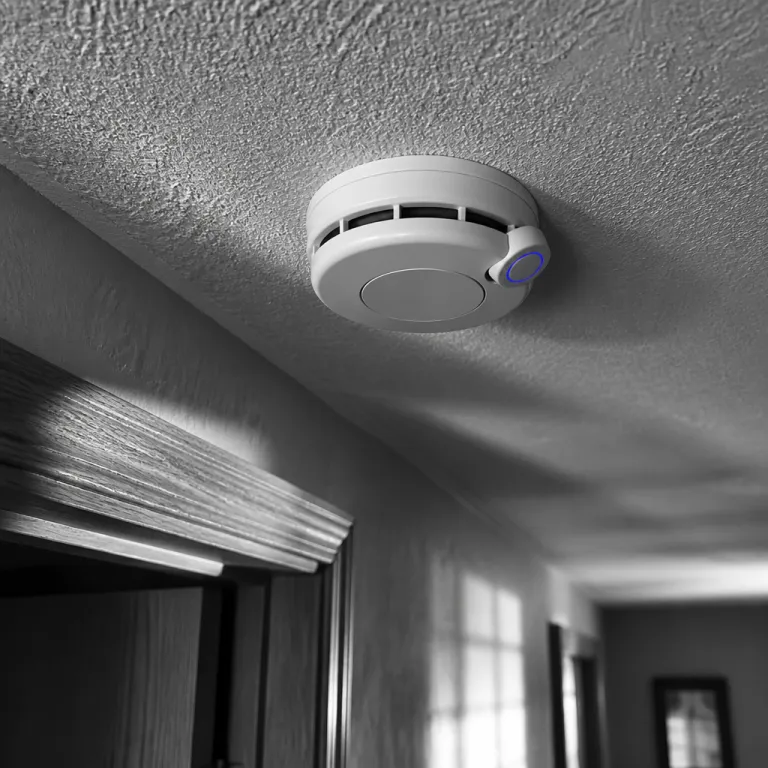

Ring smoke detector listeners: how they work with your existing alarms
How Ring smoke detector listeners work with your existing alarms
A Ring smoke detector listener does not replace your existing smoke alarm; it listens for it. This compact smart device mounts near traditional smoke detectors and carbon monoxide alarms and recognises the distinctive high pitched temporal tone they emit during a fire or CO emergency. When the smoke listener hears that sound, it uses the Ring app and your home Wi Fi to send an alert to your phone within seconds.
This approach matters if you already have certified smoke detectors and a carbon monoxide alarm that you trust and do not want to remove. Instead of installing a new smart smoke detector in every room, the listener turns your current alarms into connected smoke alarms that can trigger notifications, automation and even professional monitoring if you subscribe. The result is a more affordable product strategy that still gives you remote smoke monitoring and a clear path to deeper smart home integration.
In practice, the listener pairs with your Ring base station and other compatible Ring sensors so that a single smoke alarm tone can trigger a whole home response. A detected smoke carbon or carbon monoxide alert can switch on connected lights, activate Ring alarm sirens and push a prominent icon notification to every phone that has the Ring app installed. This layered response means a simple battery powered listener can extend the reach of every smoke detector in your home and make it easier for everyone to notice a critical alarm.
Smart home integration, Ring alarm and third party devices
Once you connect a Ring smoke detector listener to a Ring alarm system, it becomes part of a wider smart security ecosystem. The base station links smoke detectors, contact sensors, motion sensors and Ring doorbells so that a single fire or smoke alarm event can be seen across the entire Ring app dashboard. This integration lets you check live camera feeds, silence compatible Ring sirens and confirm whether a smoke icon alert is a real fire or a false alarm.
People who already use energy focused platforms such as Ecobee often ask whether a Ring smoke detector listener can coexist with other ecosystems. A detailed analysis of one such ecosystem in the Ecobee total security and savings bundle review shows how a single base station can coordinate comfort, security and lower bills, while Ring focuses more on cameras, alarms and professional monitoring. In many homes, the two approaches run side by side, with Ecobee handling heating and cooling and Ring handling smoke monitoring, fire alerts and carbon monoxide notifications.
Smart home enthusiasts often extend this further by linking Ring sensors and smoke listeners to third party hubs or voice assistants from Amazon and Google. When you do this carefully, a smoke detector alert can pause media, turn on corridor lights and unlock smart locks to create a safer escape route. The key is to treat the Ring smoke detector listener as the trigger and let other smart devices handle the supporting actions so that the whole system behaves predictably during an emergency.
Hardware details, battery life and placement for Ring smoke listeners
Behind the scenes, a Ring smoke detector listener is a simple but carefully tuned device. It contains a sensitive microphone, a wireless radio that talks to the base station and a long lasting lithium battery that typically runs for up to three years under normal conditions. Because the product listens for specific smoke alarm and carbon monoxide alarm patterns, it does not need to sample audio continuously at high power.
Placement is critical if you want reliable smoke monitoring from a listener. Ring recommends mounting the listener on the ceiling or a wall within a few centimetres of the existing smoke detector so that the alarm tone is loud and clear. In larger homes with several smoke alarms and smoke detectors, you may need multiple listeners so that every alarm can be heard and relayed to the Ring app and Ring alarm system.
People who already use a Wi Fi door viewer or smart doorbell, such as the model reviewed in this test of a Wi Fi doorbell with a 4 600 mAh battery, will find the Ring smoke detector listener even simpler to install. There is no need to run cables or connect to mains power, because the battery powered listener sticks near the alarm and joins your existing Ring sensors network. In the Ring app, you can start a test from the device settings, press the test button on your smoke alarm and then wait for the app to confirm that the listener heard the tone and that the base station received the signal.
Professional monitoring, pro monitoring and emergency response
For many households, the real value of a Ring smoke detector listener appears when it is paired with professional monitoring. With a Ring Protect Pro plan, your Ring alarm system can use pro monitoring to escalate smoke alarm and carbon monoxide alerts to a trained professional team. If the monitoring centre cannot reach you, they can contact the local fire department on your behalf when a smoke detector or smoke listener event appears genuine.
This professional monitoring layer turns a simple smart smoke listener into a more comprehensive smoke monitoring solution. Instead of relying solely on your phone to notice a Ring app notification, you gain a backup that watches for smoke alarms, fire alerts and smoke carbon events around the clock. For people who travel frequently or manage a rental property, this combination of Ring sensors, base station and pro monitoring can be a strong safety upgrade.
Emergency response still depends on accurate information, so you should keep your address and contact details current in the app. When a monitored smoke detector or carbon monoxide alarm triggers, the monitoring team will use those details to verify the event and coordinate with the fire department if needed. A simple user story illustrates this: a landlord receives a smoke alert while abroad, the monitoring centre cannot reach them, but because the property details are correct, the fire department is dispatched quickly and damage is limited. This is why regular tests of your smoke alarms, smoke detectors and Ring smoke detector listeners are as important as the hardware itself.
Amazon ecosystem, Amazon Sidewalk and data considerations
Because Ring is owned by Amazon, a Ring smoke detector listener sits inside a broader Amazon smart home ecosystem. Many people control their Ring alarm, smoke detectors and cameras using Echo speakers and Alexa routines, which can announce when a smoke alarm or carbon monoxide alert is detected. This tight integration makes it easier to manage every device from one app and one account.
Amazon Sidewalk, a shared low bandwidth network that uses nearby Amazon devices to extend connectivity, can also play a role. When enabled, Amazon Sidewalk may help certain compatible Ring products maintain a link to the internet even if your home Wi Fi signal is weak at the edge of the property. For a Ring smoke detector listener that relies on the base station and Ring app to send alerts, a more resilient connection can reduce the risk of missing a critical smoke monitoring event.
Any system that links smoke alarms, smart smoke detectors and professional monitoring to cloud services raises privacy questions. You should review the Ring and Amazon privacy policies, adjust data sharing settings in the app and decide whether to enable features such as Amazon Sidewalk based on your own risk tolerance. A careful configuration lets you benefit from smart smoke alerts and remote monitoring without sharing more information than you are comfortable with.
Buying advice, customer reviews and how to read the details
When you shop for a Ring smoke detector listener on Amazon or another retailer, the product page can feel crowded. Pay close attention to the star rating, the proportion of four and five star customer reviews and the number of verified purchase labels. A high rating based on thousands of reviews usually signals that the device performs reliably with a wide range of smoke alarms and smoke detectors.
Scroll through the customer reviews to see how people use the listener with different Ring alarm kits, base station models and compatible Ring devices. Look for comments that mention real smoke alarm tests, carbon monoxide events or interactions with professional monitoring and the fire department. These details show whether the smoke listener and Ring app alerts work as promised in stressful situations, not just during simple setup.
Before you add the listener to your cart, confirm that your existing smoke detector models are supported and that you have a stable Wi Fi network. Check whether the battery is user replaceable, how long it typically lasts and whether the app shows a clear battery icon when power runs low. Finally, consider whether you will eventually add more Ring sensors, smart smoke detectors or pro monitoring, because buying a listener that fits into a broader system usually offers better long term value.
Advanced Ring integrations and third party smart home bridges
Many advanced users want their Ring smoke detector listener to interact with devices beyond the official Ring and Amazon ecosystem. One common approach is to use a smart home bridge such as Homebridge, which can expose Ring alarm components, smoke detectors and cameras to platforms like Apple HomeKit. A detailed guide on enhancing your smart home with Homebridge and Ring integration explains how this works in practice.
With such a bridge, a smoke alarm event detected by a Ring smoke detector listener can trigger scenes in other ecosystems. For example, a HomeKit automation could turn on all lights, unlock selected doors and show a live camera feed on an Apple TV when the Ring app reports a smoke carbon or carbon monoxide alert. This kind of cross platform integration turns a single listener into a central safety trigger for the entire home.
These setups require more technical confidence than a standard Ring installation, so they are best suited to people comfortable with network settings and third party plugins. If you prefer a simpler path, the combination of Ring alarm, professional monitoring and Amazon voice control already covers most everyday needs. Either way, the Ring smoke detector listener remains the key device that hears the smoke alarms and passes the signal into your chosen smart home logic.
Key statistics on home fires, smoke detectors and smart monitoring
- According to the National Fire Protection Association, roughly three out of five home fire deaths occur in properties without working smoke alarms, highlighting why maintaining functional smoke detectors is more important than adding new gadgets. The NFPA summarises these findings in its "Smoke Alarms in U.S. Home Fires" research report.
- NFPA data shows that the risk of dying in a reported home fire is cut in half in homes with working smoke alarms, which underlines the value of pairing a Ring smoke detector listener with regular alarm testing. This statistic also comes from the NFPA smoke alarm report, which compiles several years of incident data.
- Studies from various fire services indicate that dead or missing batteries are a leading cause of smoke alarm failure, so a smart listener that flags low battery alerts in the Ring app can directly address a common weak point. Local fire departments often echo this guidance during seasonal safety campaigns.
- Consumer surveys report that a growing share of households now use some form of smart home security, and products such as Ring alarm with professional monitoring extend that trend to fire and carbon monoxide protection. Industry reports on connected home adoption consistently show year over year growth in smart safety devices.
FAQ about Ring smoke detector listeners and smart fire safety
Does a Ring smoke detector listener replace my existing smoke detectors ?
No, a Ring smoke detector listener does not replace your existing smoke detectors or smoke alarms; it simply listens for their alarm tones. You still need properly installed and regularly tested smoke detectors and carbon monoxide alarms that meet local safety standards. The listener adds smart alerts, integration with Ring alarm and optional professional monitoring on top of that foundation.
Will the listener work with any brand of smoke alarm ?
The Ring smoke detector listener is designed to work with many common smoke alarm and carbon monoxide alarm models that use a standard temporal three or temporal four tone. However, it may not recognise very old or unusual alarms, so you should check the compatibility list on the product page and run a live test after installation. Ring also maintains a compatibility section in its support materials, and if the Ring app confirms that the listener heard the alarm during a test, it should work reliably in real events.
Do I need professional monitoring for the listener to be useful ?
You do not need professional monitoring for a Ring smoke detector listener to provide value, because it will still send push notifications to your phone through the Ring app. Professional monitoring and pro monitoring plans add a staffed response that can contact the fire department when you cannot be reached. Many people start with self monitoring and upgrade later if they want extra peace of mind.
How often should I test my smoke detectors and the Ring listener ?
Fire safety organisations generally recommend testing smoke detectors and smoke alarms at least once a month and replacing batteries at least once a year or when a low battery icon appears. When you run these tests, you should also confirm that the Ring smoke detector listener hears the alarm and that the Ring app shows a clear alert. Regular testing ensures that both the traditional alarms and the smart monitoring layer will work when you need them most.
Can I move the listener if I change my smoke alarm location ?
Yes, you can move a Ring smoke detector listener if you relocate a smoke detector or install a new alarm in a different room. Simply remove the device from its mounting point, place it near the new smoke alarm and run a test from the app to confirm proper operation. Because the listener is battery powered and wireless, repositioning it is usually quick and does not require any rewiring.