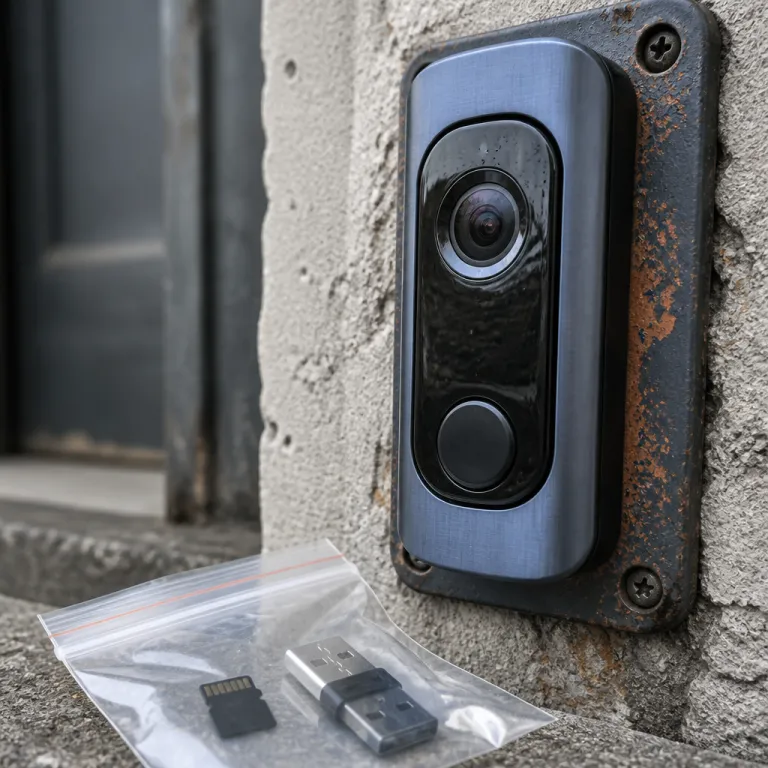
When your Ring doorbell captures a crime: first steps and safety
Your ring doorbell filming a crime is unsettling, but you still have control. In that moment, your priorities are personal safety, preserving camera footage, and understanding how any police request will work under the law. Think of your doorbell camera as a helpful witness, not a replacement for common sense.
Start with safety before you even open the ring app or check video clips. If people are still nearby, keep doors locked, move family members away from windows, and avoid confronting suspects while security cameras are recording events outside. Call the police using your local non emergency line or emergency number if there is an immediate threat to life or property.
Once everyone is safe, open the ring app and confirm that the doorbell camera or other security camera actually recorded usable footage. Check that the video shows the relevant people, vehicles, or actions clearly enough for law enforcement officers to interpret. If you subscribe to Ring Protect, remember that cloud storage has a limited duration, so you should save important camera footage locally as soon as possible.
Download the original video file from your ring security account rather than screen recording your phone. This preserves the embedded data such as timestamps and device information that enforcement agencies and police departments may later rely on as part of a formal legal process. Store the file in at least two places, such as a computer and an encrypted external drive, to reduce the risk of accidental deletion.
If your neighbors or community members were also affected, resist the urge to immediately share the footage widely. Talk with the police first about whether public safety would be helped or harmed by posting video clips on social media or in the neighbors app. Early coordination with officers helps you avoid unintentionally compromising an investigation or exposing yourself to civil liability.
How to save, download, and preserve Ring footage as potential evidence
Ring doorbell footage crime police request situations often turn on whether the right clips were saved in time. The company offers cloud storage through Ring Protect, but even with that subscription your video will eventually expire and vanish from the server. Treat any relevant footage as if it were a fragile physical object that needs careful handling.
From the ring app, go to the event history for your doorbell camera or other security cameras and locate the exact clip that shows the incident. Tap to download the original video file rather than forwarding a link, because direct downloads preserve more technical data that can matter in a legal context. Rename the file with a clear structure such as address, date, and time, then store it in a secure folder on a computer that only trusted people can access.
If you have multiple cameras, repeat the process for each security camera so that law enforcement can reconstruct the full timeline. Camera footage from a driveway camera, a back doorbell, and an indoor camera may together show how suspects approached, entered, and left the property. For households planning several doorbell cameras or security cameras, guides on multi camera planning such as adding a second Ring doorbell and coordinating cameras can help you avoid blind spots before anything happens.
Do not crop, edit, or apply filters to the original video if you think police or enforcement agencies might later use it as evidence. You can make a separate, clearly labeled copy for sharing with neighbors or on the neighbors app, but always keep the untouched original in case a court or legal process requires it. Write down a simple log noting when you downloaded the file, where you stored it, and whether you shared it with any officers or police departments.
Preserving this chain of custody helps maintain the credibility of your footage police evidence if a case goes to court. It also protects you from claims that you altered data or misrepresented what your doorbell cameras recorded. Careful documentation turns your home security system into a reliable partner for both public safety and your own legal protection.
What police can request from Ring and from you under the law
Many owners only think about ring doorbell footage crime police request rules after officers knock on the door. In reality, the legal boundaries around police access, camera company policies, and your own rights are clearer than most people expect. Understanding those boundaries now makes it easier to respond calmly if law enforcement contacts you later.
Police departments and other enforcement agencies can submit community requests for camera footage through Ring’s public safety portal, but they cannot compel you to share without a warrant or court order. Those community requests may arrive as posts in the neighbors app, as direct messages through the ring app, or as an email address contact from an investigator asking for specific video. You remain free to decline any voluntary request assistance if you are uncomfortable, although cooperating can sometimes help protect your neighbors and broader community.
Separately, law enforcement can send legal requests directly to the camera company for stored data, such as account information or cloud video. These requests must follow the applicable law, and Ring publishes transparency reports that summarize how many times police or other enforcement agencies sought data and how often the company provided it. Those transparency reports give people a clearer view of how often camera footage and account data move from private security systems into public safety investigations.
When officers come to your home, you can ask whether they are making an informal request or acting under a formal legal process such as a warrant. If they have a warrant, they can usually obtain access doorbell footage or other security camera data regardless of your personal preference. If they do not, you can choose whether to share video directly from your device, send a download link, or politely decline and suggest they contact the camera company through official channels.
For a deeper look at how Ring is evolving from a simple doorbell camera to a broader community safety platform, resources such as analyses of Ring’s shift toward community safety tools can be useful. These shifts affect how police access and public safety programs intersect with private home security. Staying informed helps you balance cooperation with law enforcement and protection of your own civil rights.
Sharing Ring video: when to help investigations and when to hold back
Once your ring doorbell captures a crime, your instinct may be to blast the video everywhere. That impulse comes from a good place, because people want to warn neighbors and support police, but unfiltered sharing can create legal and ethical problems. A more deliberate approach respects both public safety and the privacy of those caught on camera.
Before posting any footage, ask the investigating officers whether public sharing could interfere with their work. In some cases, releasing video too early can tip off suspects, contaminate witness memories, or complicate identification if multiple people start speculating online. Police may prefer that you share the video privately with them through the ring app or neighbors app first, then wait for guidance on broader distribution.
Be especially cautious when the camera footage includes minors, victims in vulnerable situations, or people who are not clearly involved in the incident. Publishing their faces or vehicles without context can expose you to civil claims such as defamation or invasion of privacy, even if your intentions were focused on security. When in doubt, limit sharing to law enforcement and trusted neighbors until you understand the potential legal impact.
If you do decide to post, use copies of the video rather than the original evidence file you preserved for police. Consider blurring house numbers, license plates of uninvolved neighbors, or the interiors of homes that appear in the background of your security cameras. Clear captions that avoid naming suspects and instead ask for information can support request assistance from the community without accusing specific people.
Remember that once a video leaves your control, it can be downloaded, edited, and reshared in ways you never intended. That reality makes it vital to think about the long term consequences for your family, your neighbors, and anyone shown in the footage. Responsible sharing keeps your ring security system aligned with both community safety and respect for individual rights.
Privacy, data protection, and building a responsible Ring security setup
Owning a ring doorbell means managing not only security but also sensitive data about daily life. Every clip your doorbell cameras record can reveal routines, visitors, and the movements of people who never consented to appear on video. Treating that data with care is part of being a good neighbor and a responsible user of modern security cameras.
Start by tightening privacy settings in the ring app so that only authorized household members can access doorbell feeds and stored footage. Use strong, unique passwords and enable two factor authentication on the account and associated email address to reduce the risk of unauthorized police access or criminal hacking. Adjust motion zones so your security camera focuses on your own property rather than constantly recording neighbors’ windows, gardens, or shared pathways.
When expanding your system with extra security cameras, think about how each camera’s field of view affects both safety and privacy. Articles that explain how the ring app ecosystem is turning the doorbell into a broader home security platform, such as this overview of Ring’s app store and platform ambitions, can help you understand the tradeoffs. A thoughtful layout can give police departments useful camera footage during emergencies while still respecting the boundaries of people who live nearby.
Keep your household informed about how long you retain video and who can share it with law enforcement or respond to community requests. Make a simple family policy that covers when to cooperate with a ring doorbell footage crime police request, when to ask for a formal legal process, and when to decline. That clarity prevents rushed decisions in stressful moments and reinforces that your camera company account is a tool for both security and civil responsibility.
Over time, review Ring’s transparency reports and privacy updates so you understand how often data from devices like your doorbell camera flows to enforcement agencies. Staying informed lets you adjust settings, storage habits, and sharing practices as technology and law evolve. The goal is a ring security setup that supports public safety while keeping your household firmly in control of its own data.
FAQ
Do I have to give Ring footage to the police if they ask?
When officers make an informal ring doorbell footage crime police request directly to you, you generally are not legally required to share unless they present a warrant or court order. You can choose to cooperate voluntarily, decline, or ask them to obtain the footage from the camera company through formal channels. If a valid warrant exists, law enforcement can usually access doorbell recordings regardless of your personal preference.
How long does Ring keep my videos, and can I extend that time?
With a Ring Protect subscription, your camera footage is stored in the cloud for a limited retention window that you can adjust within certain bounds in the ring app. After that period, the company automatically deletes the video from its servers, which is why downloading important clips quickly is essential. Without a subscription, your doorbell camera generally only supports live view and very limited or no historical video access.
Can the police get my Ring videos without telling me?
Law enforcement can send legal requests directly to Ring for stored data, and in some cases those requests do not require the company to notify you immediately. Transparency reports published by Ring summarize how often police departments and other enforcement agencies request data and how often the company responds. If you are concerned about silent access, reviewing those reports and tightening account security can help you make informed choices.
Is it safe to post crime footage from my Ring camera on social media?
Sharing video publicly can help with public safety, but it also carries legal and privacy risks. You should talk with investigating officers before posting, especially if the footage includes minors, victims, or people who may be misidentified. When you do share, use copies rather than original evidence files and avoid language that labels specific people as criminals unless a court has already done so.
What should I tell my neighbors if my Ring camera recorded their property?
Open communication usually prevents misunderstandings about security cameras and privacy. Explain what your ring doorbell and other cameras can see, how long you keep footage, and under what circumstances you might respond to a police request or community requests. Offering to adjust motion zones or share relevant clips with them can build trust and reinforce that your goal is shared safety, not surveillance.