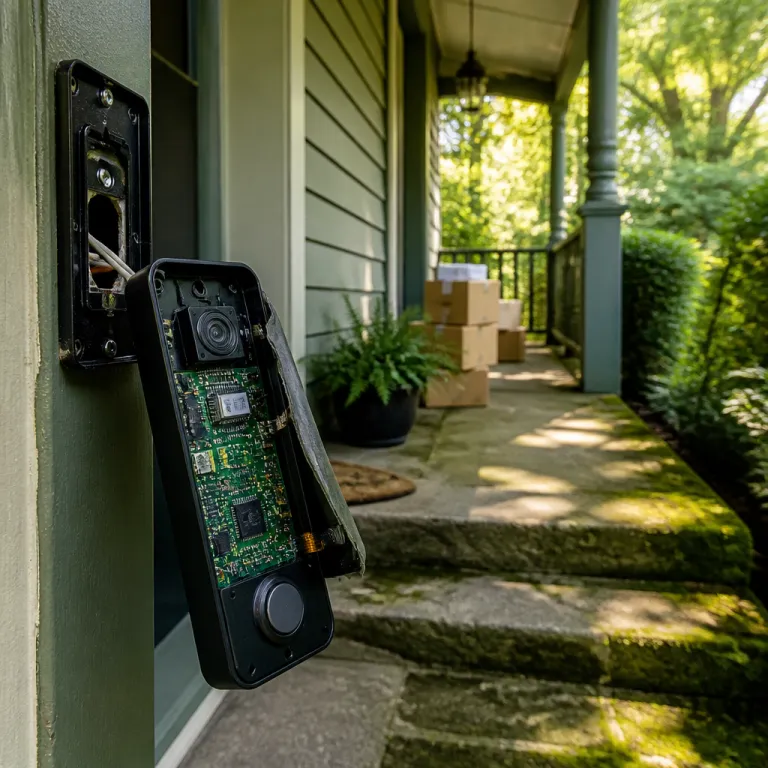
What ring doorbell matter protocol support really means for your home
Ring doorbell Matter protocol support sounds like a niche technical detail. For anyone running several smart devices from different brands, that phrase quietly decides whether your video doorbell plays nicely with the rest of your home or stays in its own corner. When you buy a ring doorbell or a ring device today, you are effectively choosing between deep Alexa convenience and long term flexibility with other platforms.
Matter is an open standard, maintained by the Connectivity Standards Alliance (CSA), that lets one smart device talk locally to another, so a video doorbell from one brand can trigger security cameras or a smart light from another without cloud juggling. In May 2024, the CSA released Matter 1.5, which formally added camera and doorbell device types to the specification, with the long term goal that a doorbell video feed will eventually move as easily between ecosystems as a smart bulb does now. Yet ring devices still sit outside that promise. The result is that your ring doorbells, your outdoor cam, and every spotlight cam or floodlight cam you add remain tightly bound to the ring app and to Amazon’s Alexa controllers.
For a buyer, the key question is simple but uncomfortable. Will your current ring device and any future battery doorbell or wired doorbell still feel like a good investment if you later move to Apple Home or Google Home as your main hub. The more ring devices you add ring to your setup, from a basic doorbell wired model to a cam battery powered stick cam, the more you are betting that Amazon’s walls will not feel too narrow in a few years.
How the lack of Matter limits ring with Apple Home and other hubs
The most visible impact of missing ring doorbell Matter protocol support is on Apple Home integration. Without Matter, a ring doorbell or video doorbell cannot appear as a native tile in Apple Home, so you juggle the ring app for video while using Apple Home for lights, locks, and sensors. That split experience becomes more painful as you add ring devices like an outdoor cam, a spotlight cam, or extra security cameras around the property.
Apple HomeKit, now usually called Apple Home, expects cameras and doorbells to arrive through open standards or certified bridges, yet a ring device still relies on Amazon’s cloud and Alexa skills. Third party bridges such as Homebridge or Hoobs can expose ring doorbells and ring devices to Apple HomeKit, but they demand a small server, plug ins, and occasional troubleshooting when a firmware update breaks the link. For a tech comfortable owner, that unofficial bridge can be worth it, especially if you already use advanced automations with Z Wave door sensors or other gear similar to those described in this guide to smart door sensors for security scenes.
To make that more concrete, a typical Homebridge setup involves installing the Homebridge software on a Raspberry Pi or always on computer, adding a Ring specific plug in, signing in with your ring account, and then pairing Homebridge as a single accessory in Apple Home. Your ring doorbell video then appears as a tile in the Home app and can trigger scenes, but every major ring or iOS update may require you to refresh plug ins, re authenticate, or restart the bridge. Google Home users face a similar split, though the pain is softer if you already live in the Alexa world. Your ring doorbell video still streams reliably to Echo Show screens, and a wired doorbell or battery doorbell can trigger Alexa routines, but those same devices will not behave like first class citizens in other ecosystems. The more you rely on cross platform scenes that mix a doorbell pro, a cam pro, and non Amazon smart devices, the more you feel the absence of Matter.
Alexa strength versus ecosystem lock in for ring buyers
Ring’s strongest argument against immediate ring doorbell Matter protocol support is simple convenience inside Amazon’s universe. A ring doorbell or doorbell pro pairs with an Echo speaker in minutes, and the ring app walks you through linking each new ring device or cam battery unit with almost no friction. For many households, that ease beats the abstract promise of open standards.
Once you add ring gear, the Alexa routines become addictive, because a video doorbell can trigger a spotlight cam, a floodlight cam, or indoor security cameras with barely any delay. A wired doorbell or doorbell wired model can announce visitors on every Echo, while a battery doorbell or outdoor cam can arm itself automatically when you say goodnight to Alexa. In a typical example, a visitor presses your ring doorbell, Alexa announces the caller on every Echo Show, the live video pops up automatically on the nearest screen, and a linked smart lock can be unlocked with a voice PIN, all without opening the ring app. That tight integration also extends to accessories, from a chime kit to a garage controller similar in spirit to the setups described in this overview of a smart garage opener for Ring style systems.
The trade off is that every new ring device, from a basic stick cam to a pro gen cam pro, deepens your commitment to Amazon’s stack. As of mid 2024, Amazon and Ring have not publicly committed to a firm timeline for ring doorbell Matter protocol support, and current flagship models such as the Ring Video Doorbell Pro 2, Battery Doorbell Plus, and Spotlight Cam Pro rely on Wi Fi and proprietary cloud services rather than Thread radios and local controllers. If you later decide that Apple Home or another platform fits your privacy expectations better, you face the same dilemma explored in this analysis of what happens to Ring when you switch ecosystems. You can keep using your ring doorbells and cameras through the ring app, but they will feel like guests rather than full residents in your new smart home.
Choosing between wired, battery, and pro gen models in a Matter free world
Even without ring doorbell Matter protocol support, the choice between wired and battery models still shapes your daily experience. A wired doorbell or doorbell wired unit offers constant power and usually faster video wake times, while a battery doorbell trades that reliability for flexible placement on rental walls or gates. In both cases, the ring app remains your primary control surface, especially when you mix a video doorbell with several outdoor cam units or indoor stick cam models.
Pro gen models such as the latest doorbell pro or cam pro lines add better video quality, smarter motion zones, and stronger Wi Fi radios, which matters if your router sits several rooms away. These pro devices also integrate more tightly with other ring devices, so a spotlight cam or floodlight cam can follow a person across zones while the doorbell video records the initial approach. None of that extra intelligence changes the Matter story though, because even the most advanced ring device still reports first to Amazon’s cloud rather than to a neutral local controller.
When planning a full security layout, think in zones rather than individual cameras. One ring doorbell at the front, a spotlight cam or outdoor cam on the side, and a couple of indoor security cameras can cover most suburban homes, while apartments may only need a single video doorbell and one cam battery unit. If you expect to mix brands later, keep the core entry points on ring doorbells and ring devices, then use other ecosystems for secondary sensors and lights so that any future shift away from Amazon hurts less. As a rough compatibility guide, most recent ring doorbells and cameras rely on Wi Fi only, lack Thread radios, and have fixed firmware storage, so you should assume that current wired, battery, and pro gen models will not gain full Matter support unless Ring explicitly states otherwise.
Practical strategies if you want flexibility beyond Amazon’s walls
For buyers who care about ring doorbell Matter protocol support but still like Ring’s hardware, the goal is to reduce future regret. Start by mapping which actions must work across ecosystems, such as having a video doorbell trigger non Amazon smart lights or having a doorbell pro feed appear on an Apple Home display. Anything that absolutely must be cross platform should probably not depend solely on a ring device today.
You can still lean on ring devices for the heavy lifting of video and security, while letting other brands handle more generic smart tasks. For example, keep your ring doorbells, outdoor cam units, and spotlight cam models focused on entrances, then use separate smart bulbs and switches that already support Matter for interior scenes. That way, if Matter eventually brings cameras and doorbells from other brands into Apple HomeKit or Google Home more smoothly, you can phase in new doorbell video products without ripping out your entire lighting and automation backbone.
Finally, treat every new purchase as a vote for how locked in you are willing to be. A single battery doorbell or wired doorbell is easy to retire later, but a full grid of security cameras, a floodlight cam on every corner, and multiple cam pro units make change expensive. If you are the type who upgrades from one gen to the next pro gen quickly, keep your options open by limiting how many critical entry points depend on a single ecosystem that still stands outside the Matter standard.
FAQ
Will my existing Ring doorbell gain Matter support through a software update
There is no public commitment that any existing ring doorbell or ring device will gain Matter support through firmware alone. Even if future models adopt the standard, older video doorbell hardware may lack the necessary radio or memory resources. Plan as though your current ring doorbells will remain tied to the ring app and Alexa for their full lifespan.
Can I use Ring with Apple Home without official Matter support
You can expose a ring doorbell or other ring devices to Apple HomeKit using unofficial bridges such as Homebridge or Hoobs. These tools run on a small computer and translate between the ring app cloud and Apple Home, so your doorbell video and cam feeds appear in the Home interface. Expect some maintenance though, because updates to either platform can temporarily break the bridge.
Is a wired Ring doorbell better than a battery model if I stay in Alexa
A wired doorbell or doorbell wired model usually offers faster wake times, more consistent video, and no need to recharge a cam battery. Battery doorbell models are easier for renters or for gates without power, but they can miss quick motion if they are sleeping to save energy. If you own your home and already have chime wiring, a wired doorbell pro or similar pro gen model is often the most reliable choice.
How does Ring compare to other brands that already support Matter
Brands that have adopted Matter for cameras or other smart devices integrate more easily with mixed ecosystems, especially if you use Apple Home or Google Home as your main dashboard. Ring compensates with mature features in the ring app, strong Alexa routines, and a wide range of security cameras from spotlight cam to floodlight cam and outdoor cam lines. The trade off is that you accept tighter Amazon lock in in exchange for that polished experience.
Should I delay buying a Ring doorbell until Matter support arrives
If you live fully in the Alexa world and mainly want reliable video at the door, there is little reason to wait. A current ring doorbell, whether wired or battery, already works smoothly with Echo screens and other ring devices such as stick cam or cam pro units. If you expect to move heavily into Apple Home or another ecosystem soon, it may be wiser to limit new Ring purchases until the Matter situation becomes clearer.