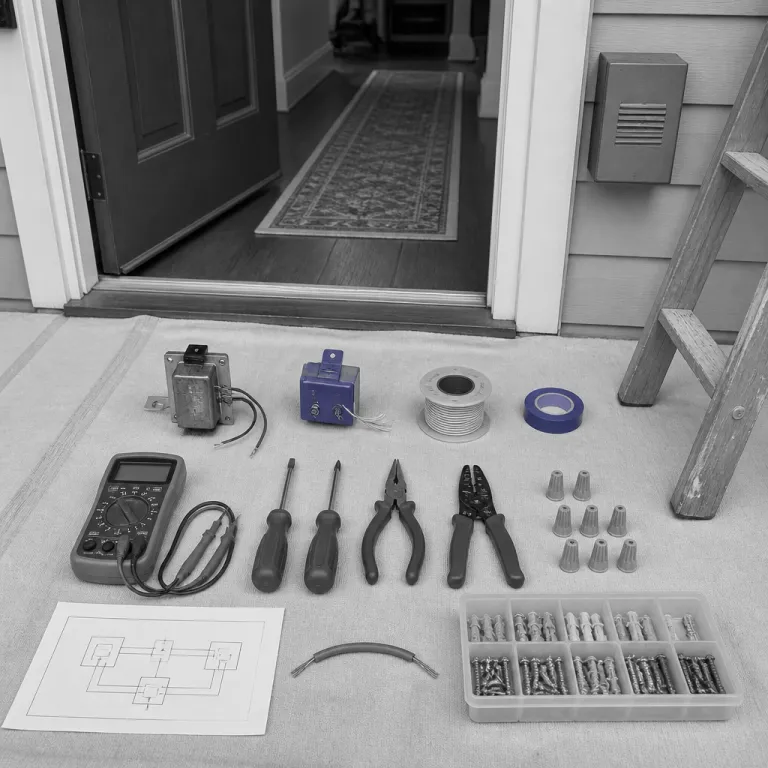
Why ring doorbells struggle with weak transformers
Most people blame the video doorbell when it misbehaves, but the real culprit is often a tired doorbell transformer hidden in a wall. Modern Ring video doorbells draw far more power than the simple wired doorbell buttons that many existing doorbells were designed for, so an undersized transformer quietly starves the system. If you want consistently better performance from any Ring product, you must first understand the Ring doorbell transformer requirements and what kind of upgrade your home wiring can realistically support.
Ring states that the basic wired doorbell models, such as the Ring Wired Doorbell 2nd Gen, need between 8 and 24 volts AC and at least 10 volt amps of power, while the Ring Doorbell Pro and newer Pro Video models are rated for 16 to 24 volts AC and a minimum of 30 volt amps. These figures come from Ring’s official support documentation on power and transformer specifications. That means the classic 10 volt amp doorbell transformers found in many older homes are barely adequate for a simple chime and a basic doorbell ring, but they are not a good match for a hardwired Ring Video Doorbell Pro that must power a camera, Wi‑Fi radio, and motion detection all day. When you add multiple video doorbells or an extra wired chime on the same transformer circuit, the total power draw climbs and the system can fall below the compatible Ring specifications even if the label on the transformer looks fine.
In real homes, this mismatch shows up as dim or flickering LED rings, random offline events, or a chime that works one day and fails the next day without warning. Customers often leave negative reviews about a supposedly bad wired video doorbell, but when you read those reviews closely you see that the doorbell transformer was never checked or upgraded. A straightforward transformer replacement with a 16 to 24 volt, 30 volt amp hardwired unit usually turns a flaky wired doorbell into a stable video doorbell that quietly does its job.
How to find and read your existing doorbell transformer
The first practical step in any Ring power upgrade is to locate the existing doorbell transformer that feeds your wired doorbell or chime. In many houses the transformer sits behind the indoor chime cover, in a basement junction box near the main electrical work, or mounted beside the breaker panel where it can tap power safely. If you cannot see it near the chime, follow the small doorbell wires from the chime or from the existing doorbell button until they disappear into a wall or ceiling cavity.
Once you find the metal block of the transformer, read the label carefully and look for two key numbers, the voltage in volts AC and the capacity in volt amps, which might be written as VA. For a Ring Video Doorbell Pro or any Pro Wired model, you want to see 16 to 24 volts AC and at least 30 volt amps, while basic wired video doorbells can tolerate 8 to 24 volts AC and 10 volt amps, though more capacity is usually helpful. If the label shows only 10 volt amps or the voltage is below 16 volts, that transformer setup was designed for simple doorbells and chimes, not for a power‑hungry doorbell video camera that streams Ring video all day.
When you compare these numbers to the installation instructions for your specific Ring product, you will quickly see whether a transformer upgrade is necessary. A transformer that barely meets the minimum might technically be compatible with Ring hardware, but in practice customers report that a higher capacity hardwired transformer gives noticeably better stability and fewer missed doorbell ring events. For a deeper look at how different video doorbells handle power and connectivity in daily use, you can read an independent comparison of top video doorbells at this detailed guide to 2K and HD video doorbells, which places transformer sizing in the broader context of home security and smart doorbells.
Testing real power at the doorbell wires
Labels on doorbell transformers tell only part of the story, because real‑world voltage can sag under load and leave a Ring video doorbell starved for power. A simple multimeter test at the doorbell terminals shows whether your transformer replacement is urgent or just a nice to have. Before you start, read the multimeter manual, set it to measure AC voltage in the low‑voltage range, and make sure you are comfortable working near live electrical work without touching bare metal.
With the breaker on and the chime idle, place the multimeter probes on the two low‑voltage screws where the wired doorbell connects, then read the voltage displayed and compare it to the Ring installation instructions for your specific product. A healthy transformer feeding a single video doorbell should show close to its rated voltage, often around 16 to 18 volts AC for a Doorbell Pro, while a tired or overloaded doorbell transformer might sag to 12 volts or less when the camera activates. If you have multiple doorbells or chimes on the same hardwired transformer, repeat the test while someone presses the doorbell button to see how far the voltage drops under real load.
When the measured voltage is significantly below the compatible Ring range, no amount of app troubleshooting will fix the problem, and a transformer upgrade becomes the only good path forward. In that case, you can either install a higher capacity hardwired transformer or bypass the transformer entirely by using a plug‑in adapter with a battery powered Ring Video model that accepts wired power as a trickle charger. For homeowners planning a broader front door refresh or renovation, it can be smart to schedule this power upgrade alongside other work, and resources such as this planning guide for Ring installs during renovation show how to coordinate doorbells, chimes, and wiring so the final product feels seamless.
Upgrading with the Ring hardwired transformer kit in 20 minutes
Once you confirm that your existing doorbell transformer is undersized, the cleanest fix for most customers is a Ring hardwired transformer kit. Ring sells a dedicated Hardwired Transformer Kit at a price that usually sits around the cost of a mid‑range smart home accessory, and that single product solves the majority of power issues for wired video doorbells and Doorbell Pro models. The job is straightforward for a confident homeowner, but you must always respect mains voltage and shut off the correct breaker before touching any transformer wiring.
Start by turning off power at the breaker panel, then remove the old transformer from its junction box or mounting plate while noting which mains wires feed it and which low‑voltage wires go to the wired doorbell and chime. Put on insulated gloves, verify with a non‑contact tester that the mains side is truly off, and keep the low‑voltage conductors separated from any bare metal. Install the new hardwired transformer in the same location, connect the mains side using proper wire connectors, and attach the low‑voltage terminals to the existing doorbell wires that run to your chime and Ring Video Doorbell Pro or other wired video model, following the installation instructions included in the kit. For many homes this transformer swap takes about 20 minutes from breaker off to breaker on, and once power returns you should see a stable LED ring, reliable doorbell events, and a chime that sounds good every day.
If you are adding multiple video doorbells or a combination of a wired doorbell and a mechanical chime, choose a transformer with enough volt amps to handle all devices comfortably, not just the bare minimum for one doorbell video unit. A higher capacity doorbell transformer or one of the newer models rated for 30 to 40 volt amps gives better headroom when you later purchase a second Ring Video or upgrade to a Pro Wired model with higher resolution pro video. For homeowners who want to understand how these upgrades fit into broader home security trends, articles such as this analysis of how smart doorbells reshape home security and daily life explain why stable power is the quiet foundation of every helpful smart chime and camera.
When to call an electrician and when to use plug in power
Not every home is a good candidate for a do‑it‑yourself transformer upgrade, and knowing your limits is part of a safe installation. If you open a junction box and see knob and tube wiring, crowded breaker panels, or confusing splices, that is the moment to stop and call a licensed electrician who understands both electrical work and low‑voltage doorbells. An electrician can install a new hardwired transformer, reroute doorbell runs, and confirm that your Ring Video Doorbell Pro or other wired video doorbells are fully compatible Ring devices on that circuit.
Renters or apartment dwellers who cannot touch the building transformer still have a good path to reliable power by using a plug‑in adapter with a battery based Ring Video model that accepts wired charging. In that setup the existing doorbell and chime can remain in place while the new video doorbell uses the adapter for steady power, which avoids any changes to shared doorbell transformers in the building. This approach is especially helpful for customers who want a great video doorbell experience without negotiating with a landlord about a transformer replacement or the price of an electrician visit.
For households that already have multiple doorbells or complex chime wiring, a professional can also advise whether to keep the mechanical chime, switch to a digital chime, or rely solely on app notifications and smart speakers for each doorbell ring. That kind of tailored advice often leads to better daily use than simply copying generic installation instructions from reviews or forums, because it respects the unique mix of products, power limits, and routines in your home. Over time, the right balance of transformer capacity, wired doorbell placement, and smart chime options turns your Ring setup into something you barely think about, which is the real mark of a helpful security upgrade rather than just another gadget purchase.
How transformer sizing shapes long term Ring doorbell satisfaction
Once the transformer work is complete, the benefits show up quietly in everyday use rather than in flashy marketing claims. A properly sized hardwired transformer keeps voltage stable so your Ring Video Doorbell Pro, standard wired doorbell, and any additional video doorbells can stream Ring video, capture doorbell video clips, and trigger each doorbell ring without brownouts or random reboots. That stability means fewer support chats, fewer returns, and more time where the product simply works as a reliable part of your front door routine.
When you read customer reviews of Ring doorbells, a pattern emerges where the happiest customers either started with a strong doorbell transformer or invested early in a power upgrade. They report good motion detection, great video clarity, and consistent chime performance day after day, while those who ignore transformer sizing often complain about missed events, weak night video, or chimes that fail intermittently. In many cases the difference between a mediocre experience and a clearly better one is not the specific Ring model or the headline price, but the quiet decision to match the transformer capacity to the real power draw of modern smart doorbells.
For anyone planning a purchase, it is worth treating the transformer as part of the total product cost rather than an afterthought, especially if you are installing multiple compatible Ring devices or combining a wired doorbell with a traditional chime. Budgeting for a new doorbell transformer or one of the higher capacity models from the start turns your installation instructions into a simple checklist instead of a troubleshooting saga. In the end, the right transformer, matched to your Ring Video, Pro Wired, and any other wired video hardware, gives you a front door system that feels like a single, well‑designed appliance rather than a pile of parts that never quite agree with each other.
FAQ
How do I know if my transformer is compatible with my Ring doorbell Pro
Check the label on your existing doorbell transformer and look for a voltage between 16 and 24 volts AC and a capacity of at least 30 volt amps, which are the typical requirements for a Ring Video Doorbell Pro or similar Pro Wired models. If the label shows only 10 volt amps or the voltage is lower than 16 volts, a transformer upgrade is likely necessary for reliable operation. When in doubt, testing the actual voltage at the doorbell terminals with a multimeter under load gives a more accurate picture than the label alone.
Can I power multiple Ring video doorbells from one transformer
Yes, you can power multiple video doorbells from a single hardwired transformer, but only if the transformer has enough volt amp capacity to handle the combined load. Each Ring Video or Doorbell Pro adds to the total power draw, and older 10 volt amp doorbell transformers are usually too weak for more than one modern device plus a chime. For most multi‑doorbell setups, upgrading to a 30 to 40 volt amp transformer is the safer and more stable choice.
Is it safe to replace a doorbell transformer myself
Replacing a doorbell transformer is a low‑voltage project on the output side, but the input side connects directly to mains power, so safety depends on your comfort with basic electrical work. If you can confidently shut off the correct breaker, verify that power is off with a tester, wear appropriate gloves, and follow clear installation instructions, many homeowners can complete a transformer swap in about 20 minutes using a modern hardwired transformer kit. If you see old or confusing wiring, or if the transformer is buried near the main panel, hiring an electrician is the better option.
What if I cannot access or change the building transformer
Renters and apartment residents often cannot touch the shared doorbell transformers that serve multiple units, but they still have options for a reliable Ring setup. One practical solution is to use a battery based Ring Video model that accepts wired charging from a plug‑in adapter, which bypasses the building transformer entirely while keeping the existing doorbell and chime intact. In that scenario you avoid any transformer replacement and still gain consistent power for video recording and notifications.
Will a bigger transformer improve my video quality
A larger capacity doorbell transformer does not directly increase resolution, but it prevents voltage drops that can cause reboots, missed recordings, or reduced performance in low light, all of which affect perceived video quality. When your Ring Video Doorbell Pro or other wired video model receives stable power within the compatible Ring range, it can maintain full feature operation more consistently. In practice, many customers find that upgrading to a 30 volt amp or higher transformer leads to better overall performance than any change in camera settings alone.