Key features that define the best battery powered video doorbells
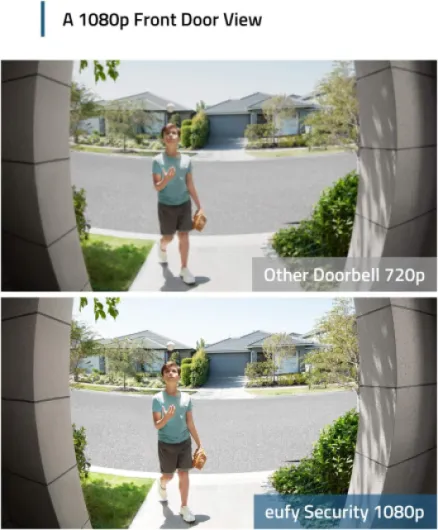
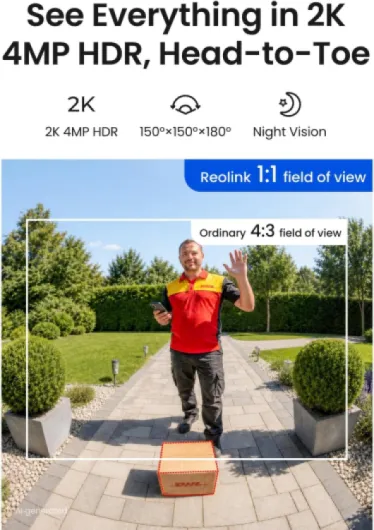
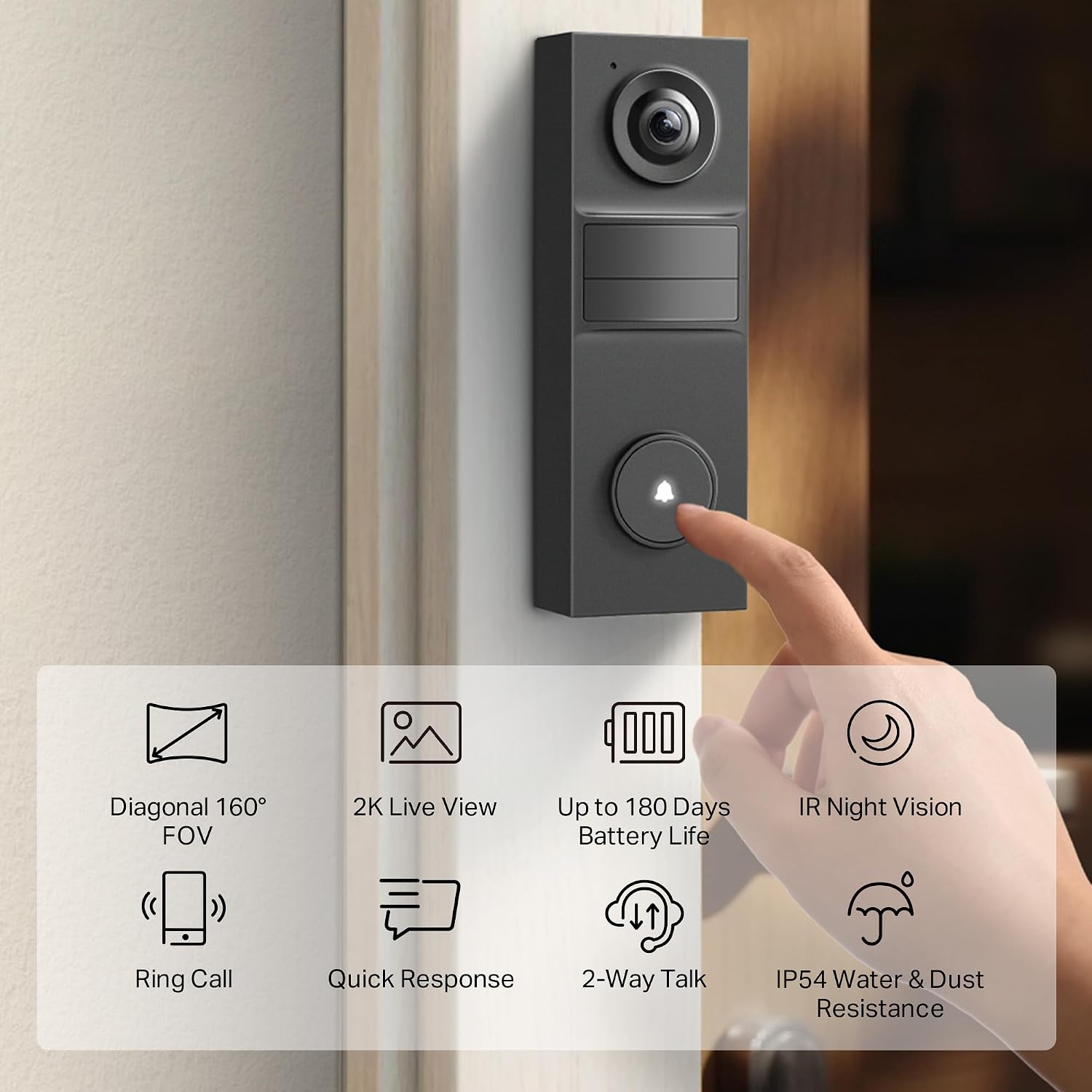
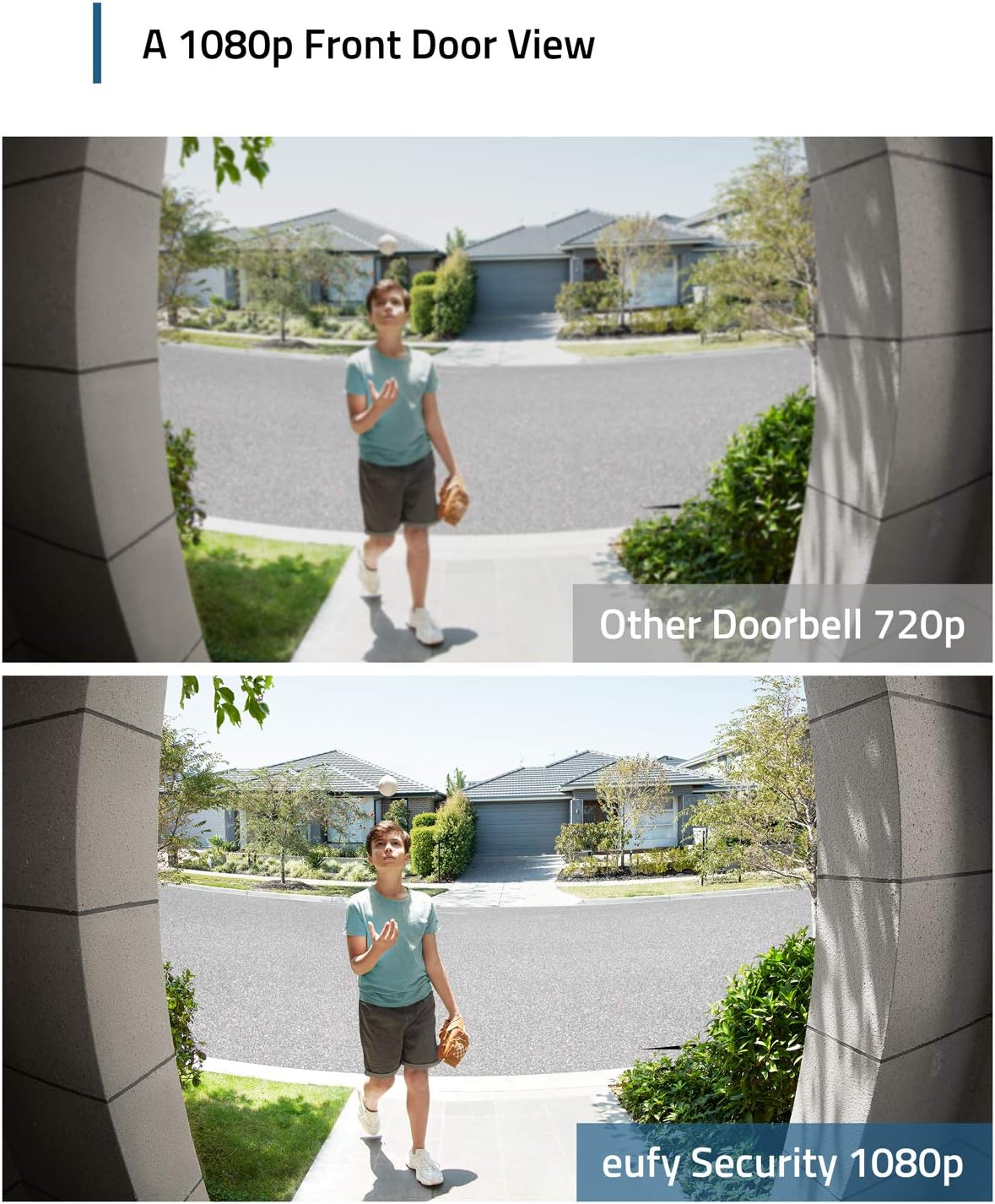
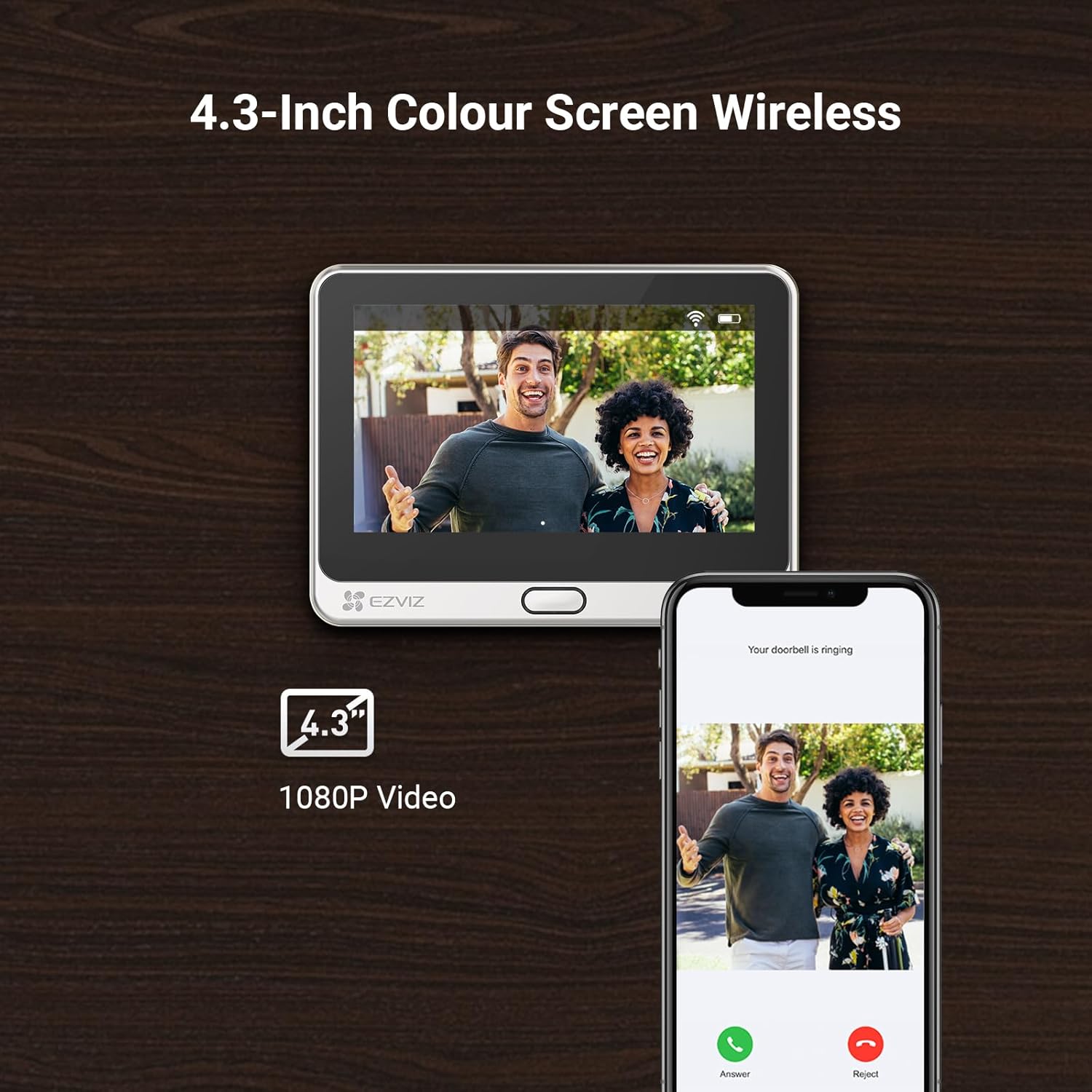
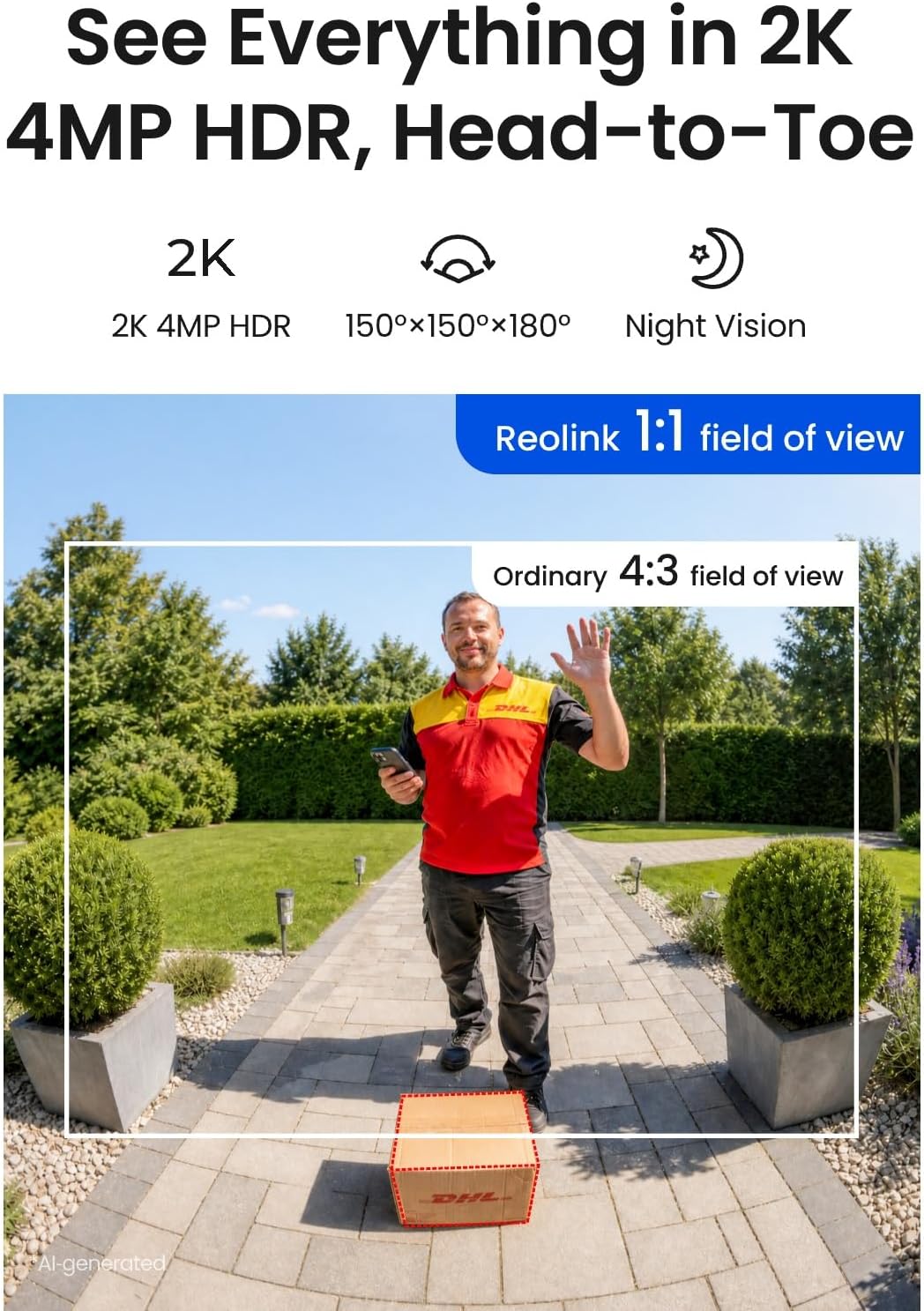
Several core features separate average products from the best battery powered video doorbells on the market. First, the camera quality matters because a sharp video doorbell image helps you identify faces, parcels, and vehicles at a glance. Look for a video doorbell with at least full HD resolution, a wide field of view, and strong night vision so your security does not collapse after sunset.
Second, pay close attention to motion detection tools and how they handle busy streets or shared hallways. The best video doorbells allow you to set motion zones, adjust sensitivity, and filter events so your phone does not buzz every time a car passes. Smart motion detection that distinguishes people from general movement reduces false alerts and preserves battery life, which is crucial for any battery doorbell or battery powered doorbells used in high traffic areas.
Third, examine how each smart doorbell handles video storage and ongoing costs. Some doorbell cameras rely mainly on cloud storage with a monthly subscription, while others support local storage through a microsd card or a separate hub. Before you commit, compare free options, paid cloud plans such as Ring Protect, and hybrid systems from brands like Tapo or Lorex so you understand exactly where your video clips live and how long they remain accessible.
For readers interested in turning a flexible battery model into a more stable system, a plug in adapter can be helpful. A detailed guide on a Ring plug in adapter explains how it can turn a video doorbell into a reliable wired style system without opening your walls. This kind of accessory lets you enjoy the convenience of battery powered video doorbells while gaining the consistency of a doorbell wired power source.
How Ring, Nest, Tapo, and Lorex compare on security and storage
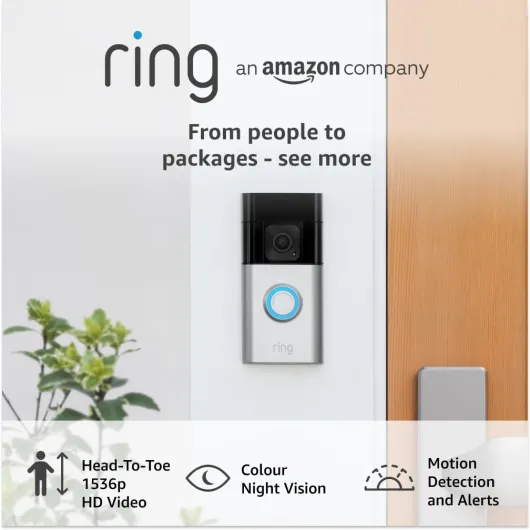
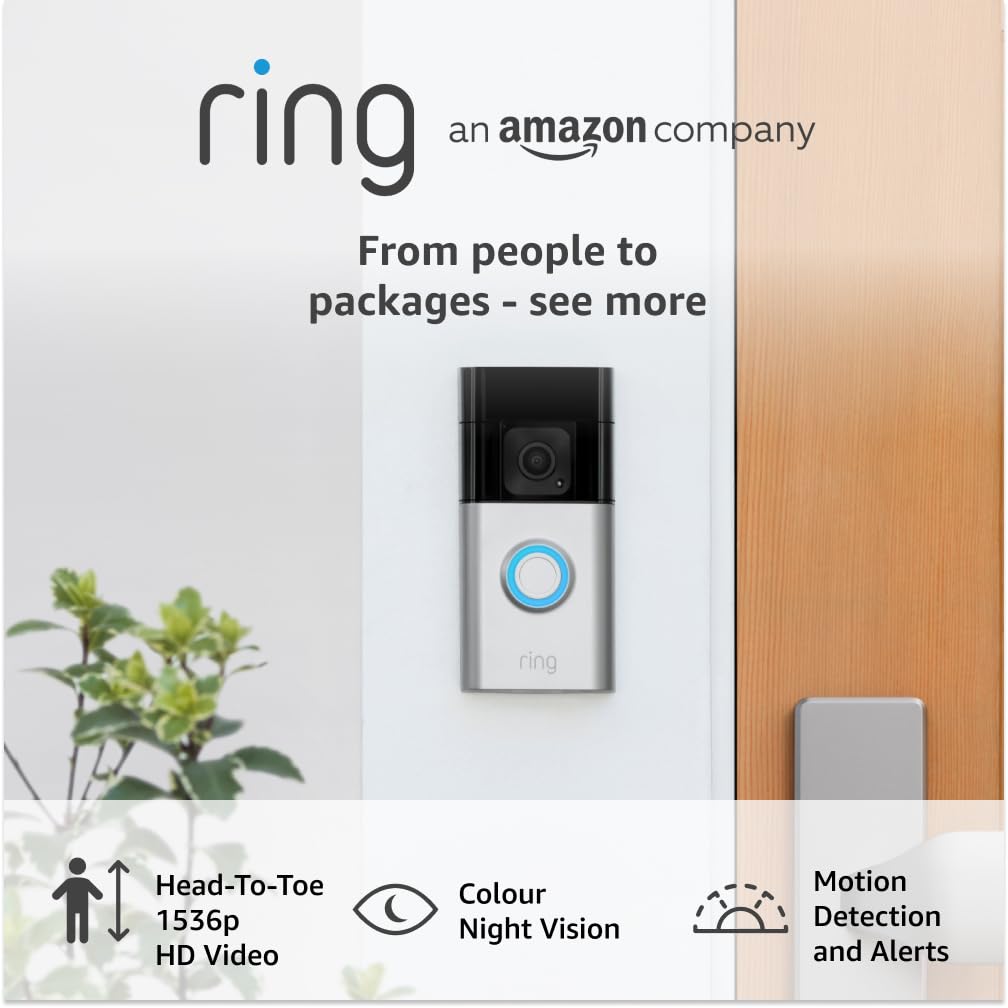
Ring, Nest, Tapo, and Lorex each approach smart security with different strengths that matter when choosing the best battery powered video doorbells. Ring focuses on a broad ecosystem of security cameras, battery doorbells, and accessories that integrate tightly with Amazon Alexa and the wider Amazon marketplace. The typical Ring battery powered video doorbell, such as the Ring Video Doorbell (2nd Gen) or Ring Battery Doorbell Plus, offers 1080p or higher resolution, strong motion detection, reliable night vision, and optional cloud storage through the Ring Protect subscription service.
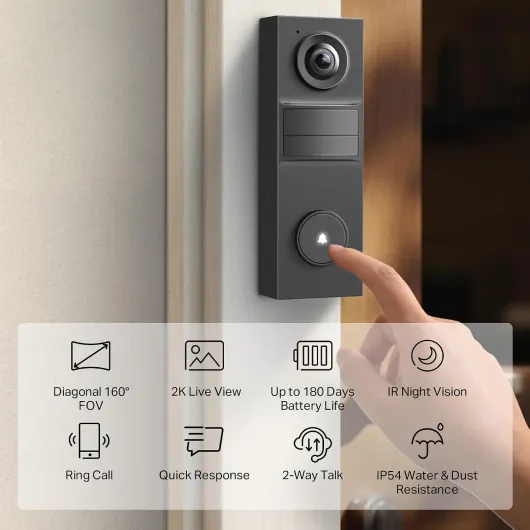
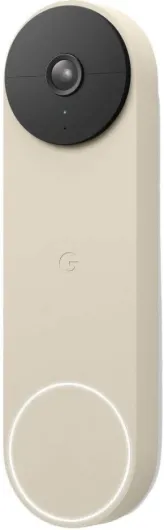
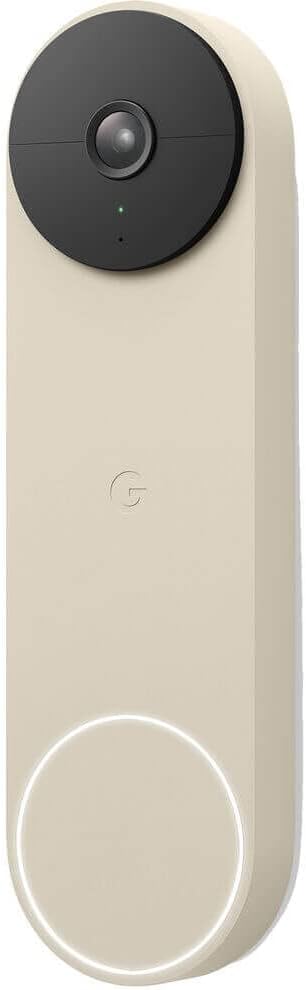
Google’s Nest Doorbell leans on deep integration with Google Home and voice control through Google Assistant, although some basic functions can still work with other platforms. A Nest doorbell battery model, like the Nest Doorbell (battery), emphasizes intelligent alerts that can label people, parcels, and vehicles, but most advanced features depend on paid cloud storage plans. Tapo, often sold under the TP Link Tapo brand, competes aggressively on price by offering smart doorbells and security cameras such as the Tapo D230S1 that support both cloud storage and local storage on a microsd card.
Lorex takes a different path by prioritizing local storage and professional grade security cameras that appeal to privacy conscious buyers. Many Lorex video doorbells and Lorex video systems, including models like the Lorex 2K Battery Video Doorbell, record directly to a hub or microsd card, reducing reliance on cloud services and recurring subscription fees. If you want to extend protection beyond the front door, a Ring compatible smart garage solution can also strengthen your overall home security, and a guide on a Ring garage door opener shows how smart garage security and control can complement your main doorbell camera.
| Brand / model (battery) |
Resolution & field of view |
Quoted battery life* |
Storage options |
Typical subscription |
| Ring Video Doorbell (2nd Gen) |
1080p, ~155° horizontal |
Up to several months per charge (Ring spec) |
Ring cloud only |
Ring Protect from around a few dollars per month |
| Ring Battery Doorbell Plus |
1536p HD+, head to toe view |
Similar multi month estimates (Ring spec) |
Ring cloud only |
Ring Protect plans per device or household |
| Nest Doorbell (battery) |
960 x 1280, 145° diagonal |
Several months in typical use (Google spec) |
Google cloud only |
Nest Aware tiers with 30+ days history |
| Tapo D230S1 |
2K QHD, wide angle lens |
Weeks to months depending on activity (TP Link spec) |
Cloud plus microsd card in hub |
Optional Tapo Care cloud plans |
| Lorex 2K Battery Video Doorbell |
2K resolution, broad field of view |
Multi week to multi month estimates (Lorex spec) |
Local hub or microsd card, no mandatory cloud |
No required subscription for basic recording |
*Battery life figures are based on manufacturer specification sheets under typical usage conditions; real world performance varies with motion activity, temperature, and settings.
Subscriptions, cloud storage, and free options explained clearly
When you compare the best battery powered video doorbells, ongoing video storage costs often matter more than the initial purchase price. Many doorbell cameras offer some free features, such as live video streaming and instant motion alerts, without any subscription at all. However, to review recorded clips, share evidence with neighbours, or download footage after an incident, you usually need either cloud storage or local storage that records continuously.
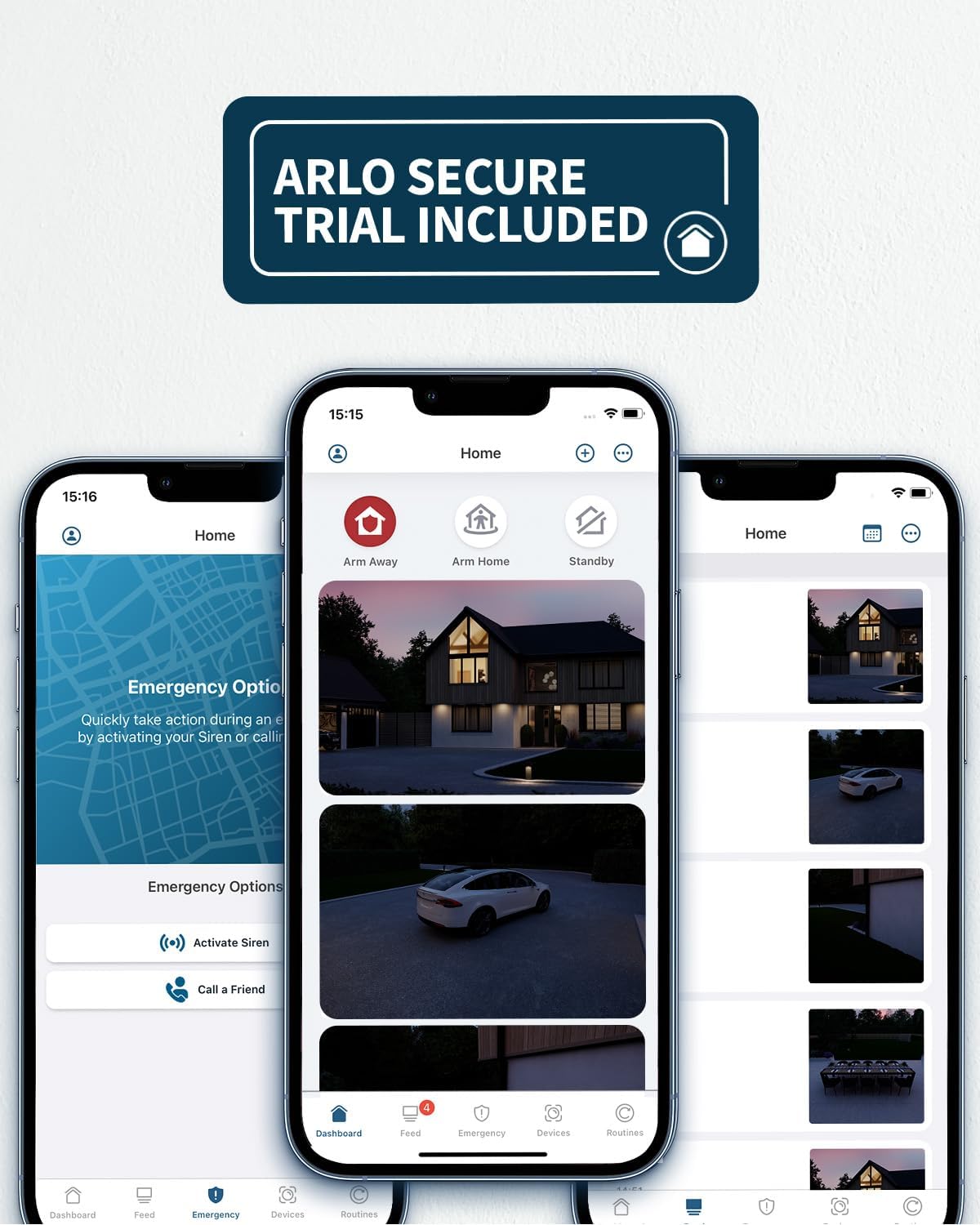
Ring, Nest, and several other brands rely heavily on cloud storage subscriptions that keep your video clips for a set number of days. A Ring Protect subscription, for example, unlocks extended video history, rich notifications, and advanced detection features across multiple Ring cameras and Ring battery doorbells in the same household. Google’s Nest doorbell range uses Nest Aware plans, while Tapo and Lorex offer their own cloud services alongside options for local storage on a microsd card or network recorder.
If you prefer free or low cost solutions, focus on models that support local storage and flexible recording modes. Some Tapo smart doorbells and Lorex video doorbells allow you to store video locally without any monthly subscription, although remote access and advanced analytics may still require cloud connectivity. Before you decide which battery powered video doorbells are best for your home, calculate the total cost over several years, including any cloud storage fees, to avoid surprises later.
Installation, power management, and smart home integration
Setting up a battery powered video doorbell is usually straightforward, but careful planning improves results. Start by checking your Wi Fi signal at the front door, because even the best battery powered video doorbells struggle if the connection is weak or unstable. If necessary, move your router, add a mesh node, or use a compatible extender so your smart doorbell and other security cameras receive a strong signal.
Next, think about power management and how often you are willing to recharge the battery. A Ring battery or similar pack in other battery doorbells typically lasts longer when you fine tune motion detection zones and reduce unnecessary video recording. Some users mount the doorbell camera slightly lower or angle it away from busy streets to cut down on constant motion triggers that drain the battery quickly.
Smart home integration is another key factor, especially if you already use Amazon Alexa or other voice assistants. Ring doorbells pair naturally with Amazon Alexa devices, while Nest doorbells align more closely with Google Home, and Tapo models often support both Alexa and Google ecosystems. To secure your entrance before travel, you can follow a detailed Ring setup checklist that explains how to lock down your front door before a summer vacation and coordinate your video doorbell with other smart security devices.
Privacy, data protection, and choosing the right model for you
Battery powered video doorbells collect sensitive video and audio data, so privacy should guide your buying decision. When evaluating the best battery powered video doorbells, read each brand’s privacy policy to understand how your video clips, motion events, and account details are stored and processed. Some users prefer local storage on a microsd card or hub to reduce reliance on cloud providers, while others value the resilience and off site backups that cloud storage offers.
Ring, Nest, Tapo, and Lorex all provide security features such as encryption, account verification, and options to limit sharing, but the defaults differ. Look for clear controls over video storage duration, the ability to delete clips easily, and transparent information about law enforcement requests or third party access. If you live in a shared building, consider how your doorbell cameras capture common areas and inform neighbours when necessary to respect local privacy regulations.
Ultimately, the right smart doorbell balances camera quality, motion detection, storage options, and ecosystem compatibility with your daily habits. A compact video doorbell that integrates with Amazon Alexa, supports both cloud storage and local storage, and offers a fair subscription plan will suit many households. Whether you choose a Ring battery model, a Nest doorbell, a Tapo smart doorbell, or a Lorex video doorbell, focus on long term reliability, transparent costs, and a security design that fits your lifestyle.
Key figures about battery powered video doorbells
- Market analysts report that global shipments of smart doorbells and doorbell cameras exceeded 20 million units in a recent twelve month period, reflecting rapid adoption of video doorbells as mainstream security devices. Industry estimates from firms such as Statista and Strategy Analytics point to continued double digit growth, and readers can verify the latest numbers in their published smart home device market reports.
- Independent testing has shown that many battery powered video doorbells can operate for between two and six months on a single charge, depending on motion activity and video quality settings, which significantly reduces maintenance for busy households. For example, Ring quotes up to several months of typical use for its battery doorbells, while Google lists similar ranges for the Nest Doorbell (battery) in its official product specifications.
- Consumer surveys indicate that more than half of smart doorbell owners subscribe to some form of cloud storage plan, highlighting how subscription based video storage has become a standard part of home security budgets. Reports from major brands suggest attachment rates above 50 percent for their cloud services, a figure that can be cross checked against investor presentations and annual filings.
- Studies of burglary patterns suggest that visible security cameras and smart doorbells can reduce opportunistic break ins by a measurable margin, especially when combined with lighting and clear signage at the front entrance. Research cited by police forces and insurance providers notes that homes with obvious security measures are less likely to be targeted, and readers can consult local crime prevention guidance for region specific statistics.