Ring doorbells and how they compare to rivals
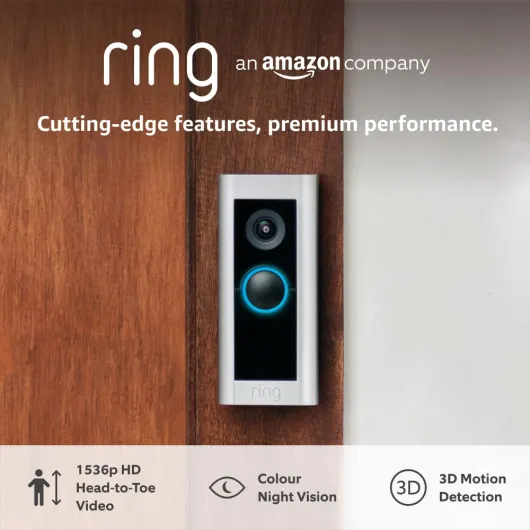
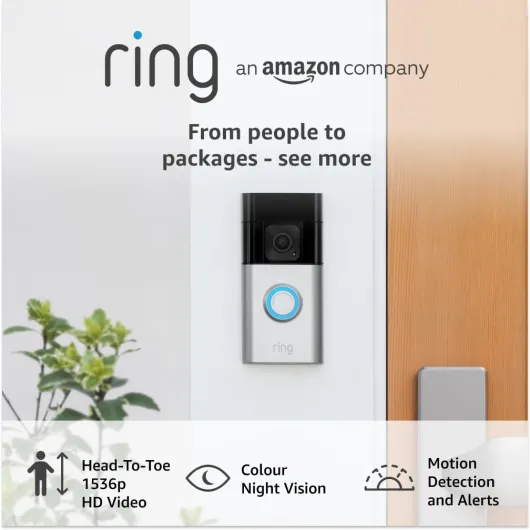
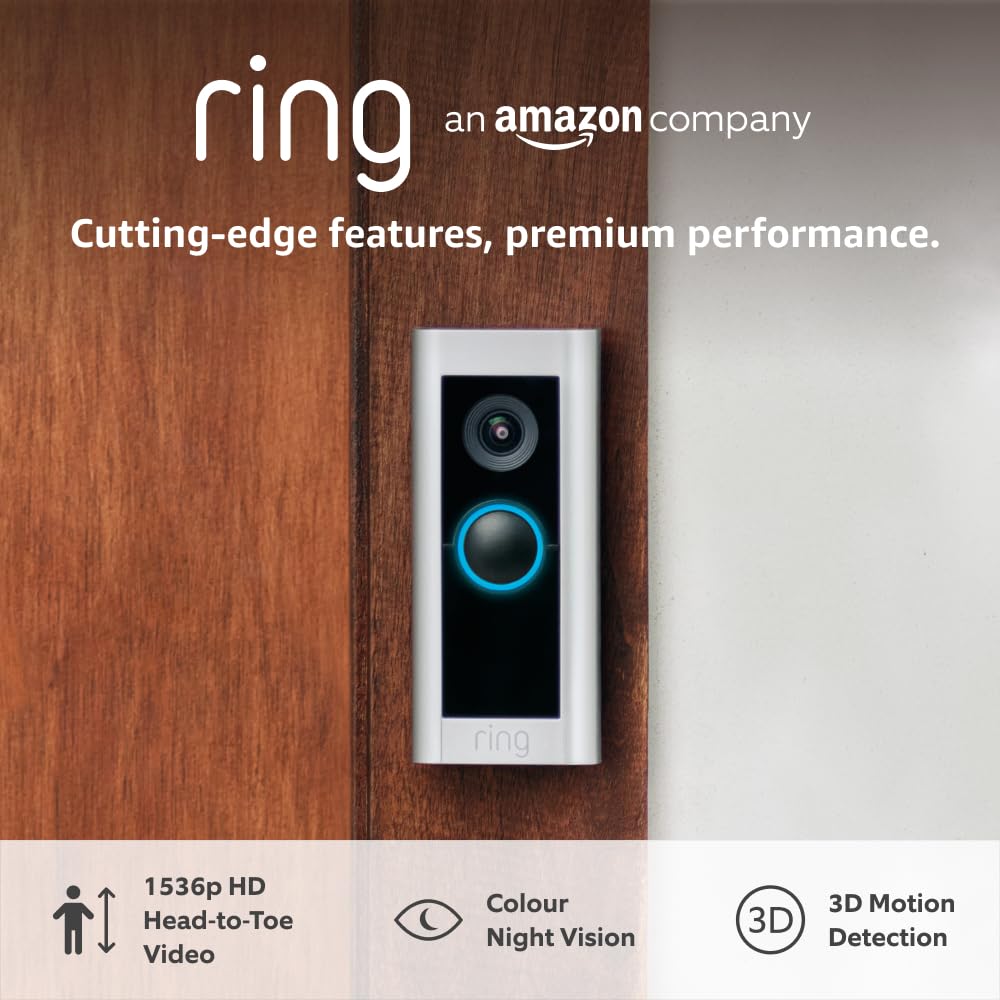
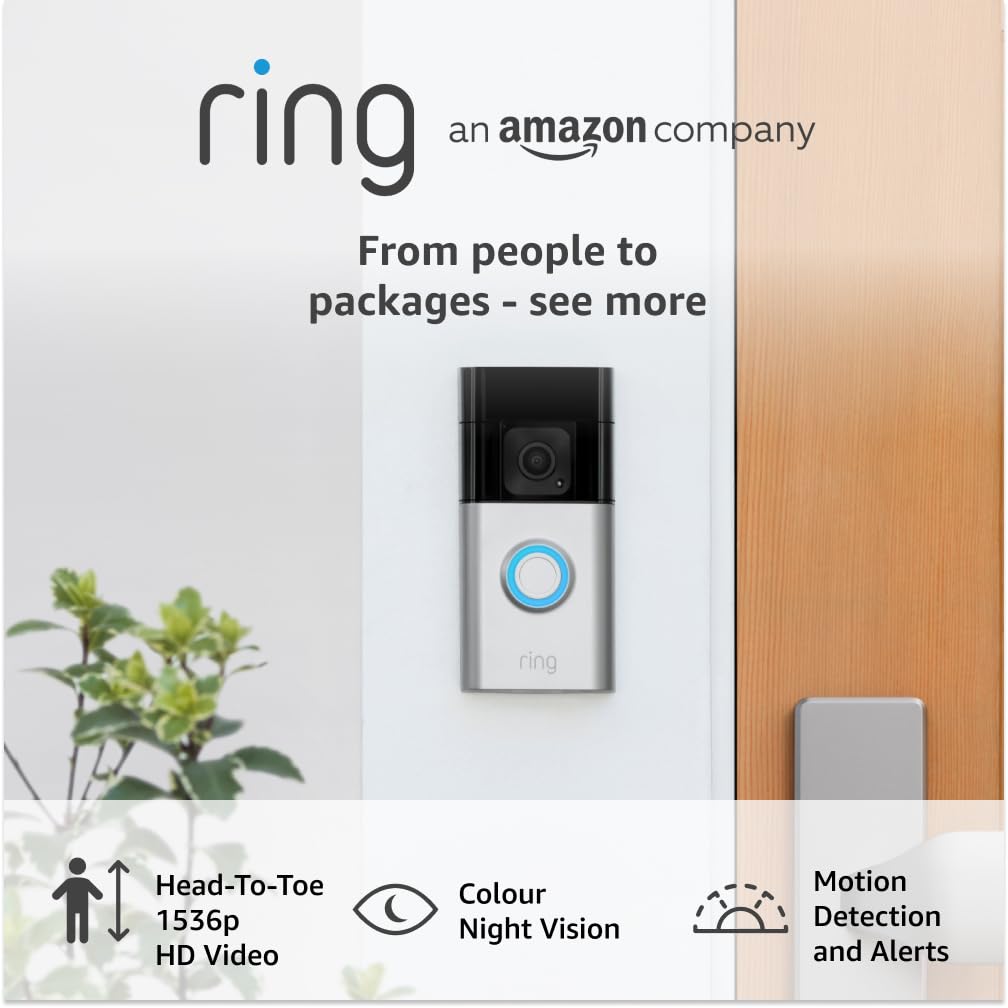
Ring helped define the modern video doorbell category and still sets many expectations. A typical ring video doorbell offers responsive motion detection, a reliable battery or wired option and tight integration with amazon alexa smart speakers. For many households, the best video doorbells from ring feel polished because the app, the cameras and the cloud storage service were designed to work together.
However, ring doorbells are not the only smart doorbells worth considering. The nest doorbell from Google Nest leans heavily on intelligent motion detection that recognises people, parcels and animals, while alexa google integrations allow you to view the video feed on Nest Hub or Echo Show screens. Some buyers prefer nest doorbell cameras because they already use other google nest devices, while others stay with ring for its broad accessory ecosystem and frequent amazon discounts.
Alternative brands such as link tapo and other value focused makers offer competitive doorbell cameras with local storage on a microsd card. These smart doorbell and smart doorbells models often reduce subscription costs by storing video locally, though their cloud options may be more limited than ring or nest doorbell plans. When you weigh these choices, remember that the best video doorbells for you are the ones that integrate smoothly with your existing security cameras, routers and voice assistants.
Ecosystem, subscriptions and long term costs
Every major video doorbell ecosystem encourages you to subscribe to a cloud plan. Ring Protect, Nest Aware and similar services unlock extended video storage, advanced motion detection and rich notifications that show snapshots before you open the app. Over several years, these subscription fees can exceed the original price of the doorbell, especially if you add more cameras.
If you want to limit recurring costs, prioritise models that support local storage. A doorbell camera with a microsd card slot or a base station that records video locally can reduce reliance on cloud storage, though you must protect that local device from theft or damage. Some link tapo and other budget friendly doorbells combine both cloud and local storage, giving you redundancy without forcing a high subscription tier.
Integration with amazon alexa and alexa google style multi assistant setups also influences long term satisfaction. Ring naturally works best with amazon alexa, while nest doorbell and other google nest devices favour Google Assistant displays and speakers. Before you commit to any doorbell gen or camera gen family, map how your future security cameras, smart locks and even a smart garage door opener such as those explained in this smart garage security guide will fit into the same ecosystem.
Battery versus wired video doorbells
Choosing between a battery powered video doorbell and a doorbell wired to mains power shapes your daily experience. A wired video doorbell offers constant power, uninterrupted recording and no need to remove the unit for charging. In contrast, a battery model gives you flexible placement, easier installation and the option to move the doorbell if you change homes.
For many people, the best video doorbells are battery based because they avoid electrical work. A modern battery doorbell camera can run for several months between charges, depending on motion detection settings, Wi Fi strength and how often you stream live video. If you live in a busy street where the camera triggers frequently, expect shorter battery life and consider a wired or hybrid solution.
Some brands now offer doorbell gen families that include both wired and battery variants with similar features. This makes it easier to match a doorbell wired model to a front door with existing cabling while using a battery version at a side gate or garage. For a deeper comparison of battery powered options, resources such as the top battery powered video doorbells guide can help you evaluate battery capacity, charging methods and real world endurance.
Power, reliability and cold weather performance
Power reliability affects how well motion detection and night vision work. A wired smart doorbell can maintain continuous pre roll video, capturing a few seconds before motion events, while some battery models limit this feature to preserve energy. If you live in a region with harsh winters, check how low temperatures affect both battery chemistry and the responsiveness of the doorbell camera.
Many battery powered video doorbells reduce performance when temperatures drop below freezing. You may see slower charging, shorter battery life and occasional reboots, especially if the doorbell is fully exposed to wind. In such climates, a doorbell wired to indoor power or sheltered under a deep porch can provide more stable video and audio performance.
Regardless of power source, always test your doorbell cameras after installation. Walk through the motion zones, check the field view for blind spots and confirm that night vision covers at least 5 to 8 metres of your entrance path. A few hours of careful testing now will prevent missed visitors, lost parcels and gaps in your security footage later.
Storage, privacy and managing your video history
Behind every video doorbell lies a complex story about storage and privacy. When your doorbell camera records visitors, couriers and sometimes neighbours, those video clips become sensitive personal data. You must decide whether cloud storage, local storage or a hybrid approach best protects that information while still giving you convenient access.
Cloud storage with a subscription is the default for many of the best video doorbells. Services from ring, google nest and other brands upload video to secure servers, where it is kept for a defined retention period before automatic deletion. This approach protects your evidence if someone steals the doorbell or damages your router, but it also means trusting a third party with continuous video of your front door.
Local storage keeps video closer to home. Some smart doorbells and doorbell cameras write directly to a microsd card, while others send footage to a local hub or network video recorder that manages multiple security cameras. If you choose local storage, remember to encrypt the device where possible, back up critical clips and replace any card that shows signs of corruption or wear.
Balancing convenience with data protection
Managing video storage is not only about capacity but also about control. A large microsd card can hold weeks of video, yet without proper organisation and deletion policies, your doorbell camera may overwrite important events. Cloud dashboards from ring, nest doorbell and link tapo often provide easier search tools, letting you filter by motion detection type, time of day or which camera recorded the clip.
Privacy regulations in many regions now require transparency about how video is used. If your video doorbells capture part of a public walkway, consider posting a small notice and adjusting the field view to minimise unnecessary recording. Some smart doorbell apps allow you to mask specific zones, blurring neighbouring properties while keeping your own entrance fully visible.
For households that value both convenience and privacy, a hybrid model works well. You can keep short term video storage in the cloud for quick access while archiving sensitive or long term clips to encrypted local storage devices. Over time, this layered approach ensures that your best video doorbells enhance security without creating an uncontrolled archive of personal movements.
Smart features, integrations and everyday usability
The smartest video doorbells are those that quietly fit into your daily life. Beyond basic video and audio, a modern smart doorbell can trigger routines, lock doors and even turn on lights when motion detection senses someone approaching. These automations rely on integrations with platforms such as amazon alexa, google nest and other smart home hubs.
When a ring video doorbell connects to amazon alexa, you can see live video on Echo Show screens, talk to visitors hands free and arm or disarm compatible security cameras. With alexa google style setups, a nest doorbell or other google nest camera can cast its feed to Nest Hub displays or Chromecast devices. The best video doorbells use these integrations to reduce friction, so you spend less time opening apps and more time simply responding to visitors.
Do not overlook accessibility and shared access when evaluating smart doorbells. Multiple user accounts, guest access codes and clear notifications help families coordinate parcel deliveries and visitors. If you care for older relatives, a well configured doorbell camera can let them see who is at the door without rushing, while you monitor events remotely for added peace of mind.
Field of view, alerts and false positives
Field view specifications can be confusing yet they matter greatly. A vertical field view around 150 degrees helps you see parcels on the ground, while a wide horizontal angle captures people approaching from the side. Some of the best video doorbells now use square or tall video frames to show both faces and packages in a single clip.
Smart motion detection reduces false alerts from passing cars, pets or tree shadows. Look for features such as person only alerts, adjustable motion zones and sensitivity sliders that you can tune over several days. Ring, nest doorbell and link tapo each implement these tools differently, so spend time in the app settings to find the balance between awareness and notification fatigue.
Audio quality also shapes everyday usability. Clear two way talk lets you instruct couriers, reassure children and deter suspicious visitors without opening the door. When testing any video doorbell, stand 2 to 3 metres away, speak normally and confirm that both the microphone and speaker handle wind noise and street sounds effectively.
Special cases: renters, multi camera setups and advanced security
Not every home can support drilling, rewiring or permanent fixtures. Renters often rely on battery powered video doorbells with adhesive mounts or clamp brackets that attach to existing door frames. In these situations, the best video doorbells are compact, lightweight and easy to remove without leaving marks.
Multi camera setups change how you think about a single doorbell. When your front doorbell camera works alongside side alley security cameras and a garage unit, you gain a continuous view of movements around your property. Brands such as ring, google nest and link tapo offer unified apps where you can see all cameras, manage motion detection rules and coordinate video storage across devices.
Advanced users sometimes integrate doorbells with network video recorders or home servers for deeper control. A doorbell wired to power and connected via Ethernet or stable Wi Fi can feed high bitrate video into local storage arrays, while cloud storage remains a backup. This approach suits people who already manage security cameras professionally or who want granular control over retention, encryption and access logs.
Future proofing your choice of video doorbell
When you invest in one of the best video doorbells, think several years ahead. Check whether the manufacturer regularly updates firmware, adds new motion detection features and supports emerging standards for secure video transmission. A doorbell gen family that receives consistent updates will stay compatible with new routers, smart speakers and security cameras.
Consider how easily you can expand the system. If you might add a second doorbell, more cameras or smart locks, choose a platform that already supports these accessories without extra hubs. Ring and google nest ecosystems, for example, offer clear upgrade paths from a single video doorbell to a full smart security suite.
Finally, pay attention to support and warranty terms. Reliable customer service, clear documentation and responsive troubleshooting channels matter when your front door security depends on a small device. A well supported smart doorbell becomes a long term asset rather than a short lived gadget, especially when paired with thoughtful placement, secure storage and carefully tuned alerts.
Key figures about video doorbells and home security
- According to data from Parks Associates, more than 20 percent of broadband households in the United States now own at least one smart home security device, and video doorbells are among the fastest growing categories within that segment.
- Consumer surveys from the United Kingdom indicate that homes with visible security cameras or a video doorbell at the entrance report up to 30 percent fewer opportunistic burglary attempts compared with similar homes without visible devices.
- Independent testing by organisations such as Consumer Reports has shown that video doorbells with person only motion detection can reduce false alerts by more than 70 percent compared with models that rely solely on basic motion sensing.
- Field measurements from several manufacturers suggest that most battery powered video doorbells are designed to operate reliably between minus 20 degrees Celsius and plus 45 degrees Celsius, though extreme cold can still shorten effective battery life.
- Industry analyses of cloud storage pricing show that entry level subscription plans for video doorbells typically cost between 3 and 6 units of local currency per month, while multi camera plans can reach 10 to 15 units depending on retention length and advanced analytics.