Ring doorbells and rivals: motion detection strengths and weaknesses
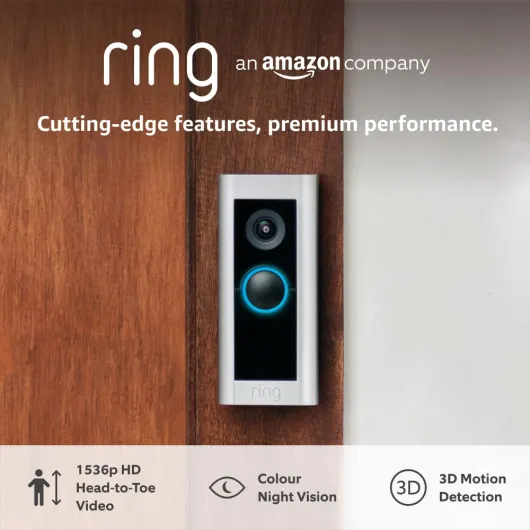
Ring doorbells helped popularise the modern video doorbell category for mainstream households. A typical Ring video doorbell combines a compact camera, motion detection, and a choice between wired or battery powered installation. For many buyers, the familiar Ring brand and the simple Ring app make the first purchase feel less risky than a lesser known alternative.
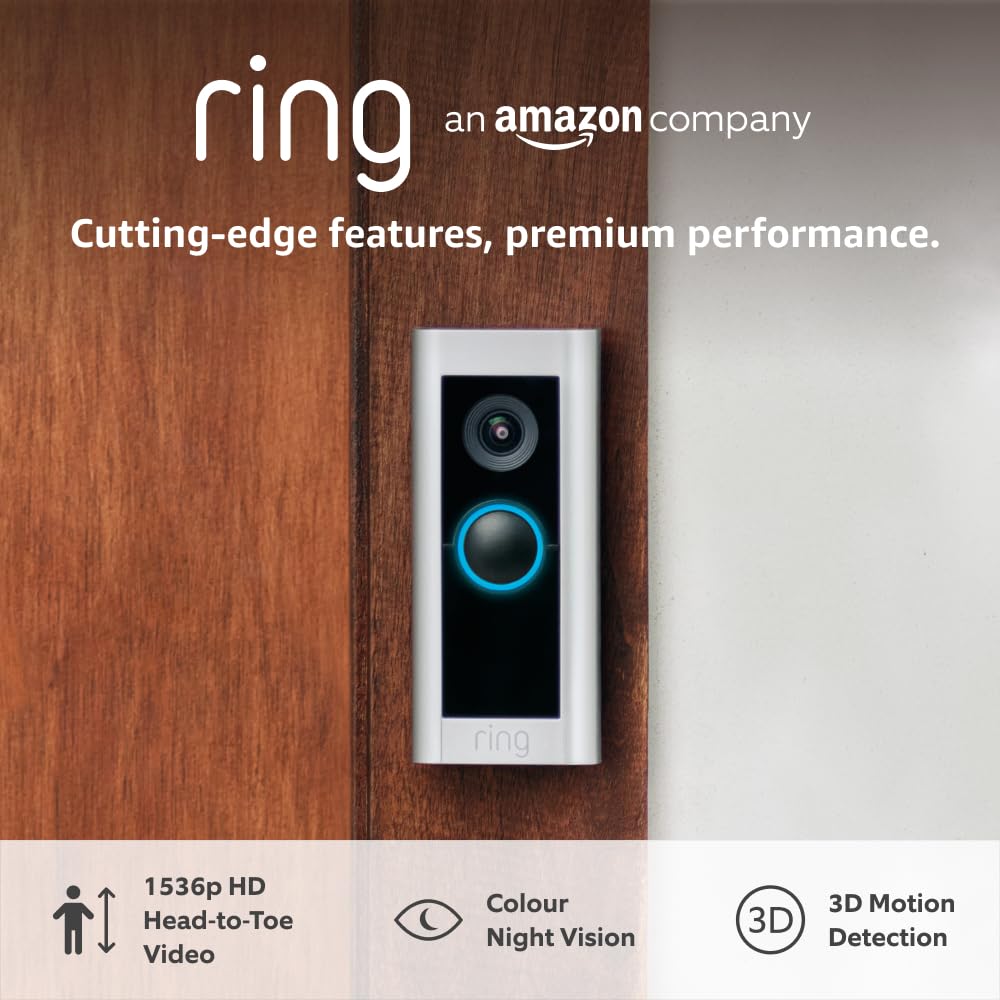
Motion detection on Ring doorbells has improved significantly over successive generations. Newer Ring video doorbells offer adjustable motion zones, person only alerts, and refined sensitivity, which reduce unnecessary notifications. When you subscribe to the Ring Protect plan, you also unlock richer video storage options and smart alerts that can distinguish people from other motion, based on model level testing published in Ring’s own support documentation.
One of the main trade offs with Ring is the reliance on cloud storage. Without a Ring Protect subscription, you can still receive live video alerts and motion notifications, but you lose the ability to review past events beyond a short window of a few hours. For households that want detailed security logs, the ongoing subscription for cloud storage and extended video storage becomes almost essential.
Image quality is another area where Ring competes strongly but not always uniquely. Many Ring video doorbells now offer clear night vision, allowing you to see visitors and parcels even in low light. In Consumer Reports’ 2023 smart doorbell ratings, several Ring models scored well for daytime clarity but were matched or beaten at night by rivals from Arlo and Eufy, underlining the value of comparing sample clips rather than relying on resolution alone.
Rival brands such as Tapo, Eufy, and Arlo challenge Ring on specific features. A Tapo video doorbell might emphasise local storage on a microSD card, while another product leans on advanced AI motion detection without mandatory subscription fees. When you compare Ring doorbells with Tapo doorbells or other doorbell cameras, focus on how each handles motion detection accuracy, night vision clarity, and storage flexibility in independent tests rather than just spec sheets.
Smart home integration is an area where Ring often excels for Amazon centric households. Ring doorbells work with Amazon Echo speakers and Echo Show displays, allowing you to see the doorbell camera feed with a simple voice command and hear chime announcements in multiple rooms. If your home already uses Alexa or Google Assistant, a Ring video doorbell that works smoothly with these platforms can feel more seamless than a standalone product with a basic app.
However, some privacy conscious buyers prefer doorbell cameras that minimise cloud dependence. A Tapo video doorbell with local storage or a similar smart video product can keep footage on your premises rather than in remote cloud servers. For these users, the balance between convenience, security, and data control may tilt away from Ring and toward brands that prioritise local storage by default and offer optional, rather than required, cloud backup.
When you weigh Ring against its competitors, remember that the best video doorbells with motion detection are not identical for every home. A small flat with a shared entrance might benefit from a compact wired doorbell camera with limited motion zones to avoid neighbours’ comings and goings, while a detached house with a long driveway may need a battery powered model with extended range and person detection. Matching the motion detection capabilities and storage model to your daily routine is more important than choosing a logo.
Storage, subscriptions, and privacy for smart video doorbells
Behind every smart video doorbell sits a crucial question about where your footage lives. Some of the best video doorbells with motion detection rely heavily on cloud storage, while others prioritise local storage on a base station or microSD card. Your choice between cloud and local storage affects cost, privacy, resilience, and how quickly you can review motion events.
Cloud storage services, such as those bundled with Ring Protect or similar plans, store your video clips on remote servers. This approach allows you to access motion detection events from any device, even when your doorbell camera is offline or stolen. The trade off is an ongoing subscription fee, which can add up over several years for multiple doorbells and may increase over time, as noted in Omdia’s 2022 smart home services analysis.
Local storage keeps video files on hardware you control, such as a hub, Network Attached Storage device, or memory card. A Tapo video doorbell with local storage can record motion events without sending every frame to the cloud, which appeals to privacy focused households and those with limited broadband upload speeds. However, if the doorbell camera or hub is damaged or stolen, you may lose both live access and historical video storage unless you also maintain a backup.
Hybrid systems combine both cloud storage and local storage for resilience. Some smart video doorbells record continuously to local storage while uploading only motion detection clips to the cloud, balancing bandwidth and redundancy. When you evaluate each product, check whether cloud storage is optional or effectively required for full functionality, such as person detection or extended event history.
Subscription models vary widely across brands and can influence which video doorbells feel affordable. A low list price on an Amazon product page may hide higher long term costs if advanced motion detection, extended video storage, or smart alerts sit behind a paywall. Always compare the total cost of ownership for at least three years, especially if you plan to install multiple doorbells or pair them with additional cameras.
For buyers who want to avoid subscriptions entirely, focusing on doorbell cameras with robust local storage is sensible. A detailed comparison of video doorbells with strong local recording options can highlight models that keep running costs near zero while still offering motion alerts and remote viewing. These products often pair local storage with efficient compression to maximise recording time without constant manual management or frequent card swaps.
Privacy regulations and data handling practices should also influence your decision. Reputable brands publish clear policies about how long they retain cloud footage, how they handle law enforcement requests, and whether they use motion detection data to train algorithms. When a smart video doorbell brand is transparent about security audits, encryption standards, and data residency, it earns more trust than a cheaper but opaque alternative.
Ultimately, the best video doorbells with motion detection balance convenience, security, and control. If you value quick access from anywhere and effortless sharing of clips, a subscription based cloud storage model may suit you. If you prioritise keeping footage within your walls, a doorbell camera with generous local storage and optional cloud backup will feel more aligned with your values and risk tolerance.
Power, connectivity, and reliability in everyday use
Power supply and connectivity determine whether your video doorbell feels reliable or frustrating. A wired doorbell draws constant power from your existing transformer, while a battery powered video doorbell relies on periodic recharging or swappable packs. Both approaches can support the best video doorbells with motion detection, but each carries distinct maintenance patterns and failure modes.
Wired doorbells suit homeowners who already have a functioning chime and accessible cabling. Once installed, a wired video doorbell can run motion detection and night vision features without worrying about battery life, which is ideal for high traffic entrances. However, installation may require an electrician if your transformer is outdated or your wiring does not meet safety standards, and power cuts will still interrupt recording unless you pair the system with a backup supply.
Battery powered doorbells shine in rental properties or locations without existing wiring. A battery powered smart video doorbell can mount on almost any surface, and many models include quick release packs for easy charging. When you choose a battery powered doorbell camera, check the expected battery duration under heavy motion detection, not just in ideal conditions; independent tests often report two to three months of life in busy locations versus six months or more in quieter spots.
Connectivity hinges on your home network and the radio inside the doorbell. Most smart video doorbells work with 2.4 GHz Wi‑Fi because this band offers better range through walls than 5 GHz and tolerates interference reasonably well. Some premium doorbell cameras also support dual band connections or wired Ethernet via a hub, but a solid 2.4 GHz link remains the baseline for stable video streaming and prompt notifications.
Signal strength at the door is more important than theoretical router speed. Before buying, stand at your doorway with a smartphone and check Wi‑Fi performance, then imagine the extra load of continuous video streaming and motion detection alerts. If the signal is weak, a mesh system or dedicated extender near the doorbell location can transform reliability and reduce missed or delayed alerts.
Smart integrations can also affect perceived reliability in daily life. When a video doorbell works with Alexa, Google Assistant, and Amazon Echo displays, you can answer the door from multiple rooms without reaching for your phone and still fall back to the app if a voice service has issues. A doorbell camera that works with both voice platforms and mobile apps gives you redundancy if one ecosystem has an outage.
Accessories such as a bundled chime can improve usability. A video doorbell with chime support or an included plug in chime ensures you hear visitors even when your phone is in another room or on silent. Some chimes also act as Wi‑Fi repeaters for the doorbell, subtly improving both motion detection responsiveness and video quality in larger homes.
When you evaluate reliability, read user feedback about missed motion events, delayed notifications, and night vision performance. The best video doorbells with motion detection maintain consistent alerts, clear audio, and stable video storage even during network hiccups. A slightly higher list price is often justified if it buys you fewer false negatives, fewer false alerts, and a more dependable sense of security.
Night vision, image quality, and field of view
Image quality defines how useful your video doorbell footage is after an incident. A sharp video doorbell camera with accurate colours and balanced exposure makes it easier to identify faces, vehicles, and parcels. When you compare the best video doorbells with motion detection, pay close attention to resolution, dynamic range, compression, and night vision performance.
Resolution figures such as full HD or 2K tell only part of the story. A well tuned 1080p smart video doorbell can outperform a higher resolution product if its lens, sensor, and encoding are better matched to real world lighting. Look for independent tests that show side by side clips from different doorbell cameras in both daylight and low light, ideally including fast motion such as someone running past the door.
Night vision is critical because many motion detection events occur after sunset. Infrared based night vision allows a video doorbell to capture clear monochrome footage without relying on porch lights, while some models add gentle colour night modes when ambient light is sufficient. If your entrance is poorly lit, prioritise doorbells that highlight strong night vision, low light sensitivity, and reduced motion blur in their specifications and sample videos.
Field of view determines how much of your doorway and surrounding area the camera can see. A vertical field of view that captures head to toe images ensures you can see both faces and packages on the ground, which is vital for security and delivery disputes. Horizontal coverage matters too, especially for wide porches or side mounted installations where visitors may stand off to one side.
Some smart video doorbells offer advanced image processing features. High dynamic range (HDR) can prevent bright skies from washing out faces, while dewarping algorithms correct fisheye distortion from ultra wide lenses. These enhancements, combined with precise motion detection, help ensure that recorded clips remain usable as evidence rather than blurry smears or silhouettes.
When you shop on Amazon or other retailers, do not rely solely on marketing stills. Real user uploads and independent reviews often reveal how a doorbell camera handles backlit visitors, rain, and fast motion. The best video doorbells with motion detection maintain readable detail even when someone moves quickly across the frame, wears a hat or mask, or stands in mixed lighting under a porch.
Audio quality complements video clarity in practical scenarios. A doorbell camera with clear two way audio lets you verify a visitor’s identity and give instructions to couriers, even when you are away. If you often receive deliveries at night, pairing strong night vision with reliable audio becomes especially important for resolving disputes and deterring opportunistic theft.
For buyers who want a deeper technical breakdown of resolutions, codecs, and storage implications, a specialised guide can be helpful. Some resources explain how higher resolution affects video storage needs, cloud bandwidth, and local storage capacity for continuous recording. Understanding these trade offs ensures that your chosen video doorbell delivers both impressive images and manageable storage demands over months and years.
Chimes, accessories, and ecosystem fit
Accessories can transform a good video doorbell into a seamless part of daily life. A dedicated chime, extra battery, or angled mounting bracket often matters more than another minor camera specification. When you evaluate the best video doorbells with motion detection, consider how each product fits into a broader ecosystem of devices and services.
A video doorbell with chime support ensures that visitors can be heard throughout the home. Some brands sell plug in chimes that connect over 2.4 GHz Wi‑Fi, while others use proprietary radio links to reduce interference and latency. If you live in a larger property, placing multiple chimes on different floors can prevent missed calls even when your phone is charging or in another room.
Smart home integration extends the role of the doorbell beyond simple alerts. When a doorbell camera works with Alexa, Google Assistant, and Amazon Echo displays, you can create routines that turn on porch lights when motion detection triggers or pause media playback when someone presses the doorbell. These automations make the device feel like part of a coordinated security system rather than an isolated gadget.
Some ecosystems emphasise security features such as shared access and multi user support. A Ring video doorbell paired with Ring Protect can allow family members to review motion events, download clips, and adjust detection zones from their own accounts. Competing platforms from Tapo or other brands may offer similar sharing options without mandatory subscriptions, relying instead on local storage and app based permissions.
Mounting options also influence how well motion detection performs. Angled brackets can tilt the camera away from busy streets, reducing false alerts while still capturing head to toe views of visitors. If your doorway is recessed or unusually shaped, check whether the product box includes multiple mounting plates or if you must purchase them separately to achieve the right angle.
For households that prefer not to pay ongoing fees, some ecosystems focus on one time purchases. A smart video doorbell that records to local storage and offers free motion detection alerts can be paired with third party chimes or smart speakers to create a flexible setup. In such cases, reading the fine print about which features require a subscription is essential to avoid surprises after installation.
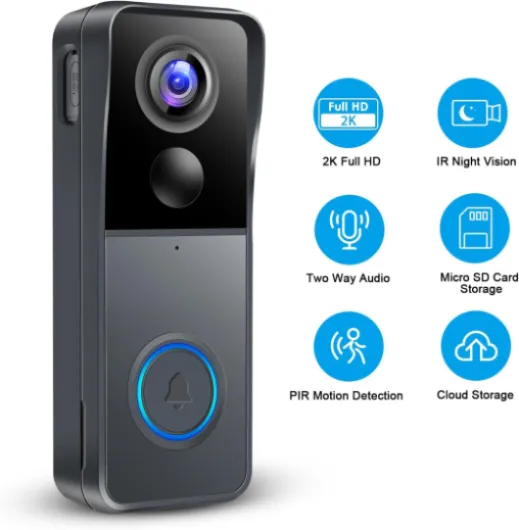
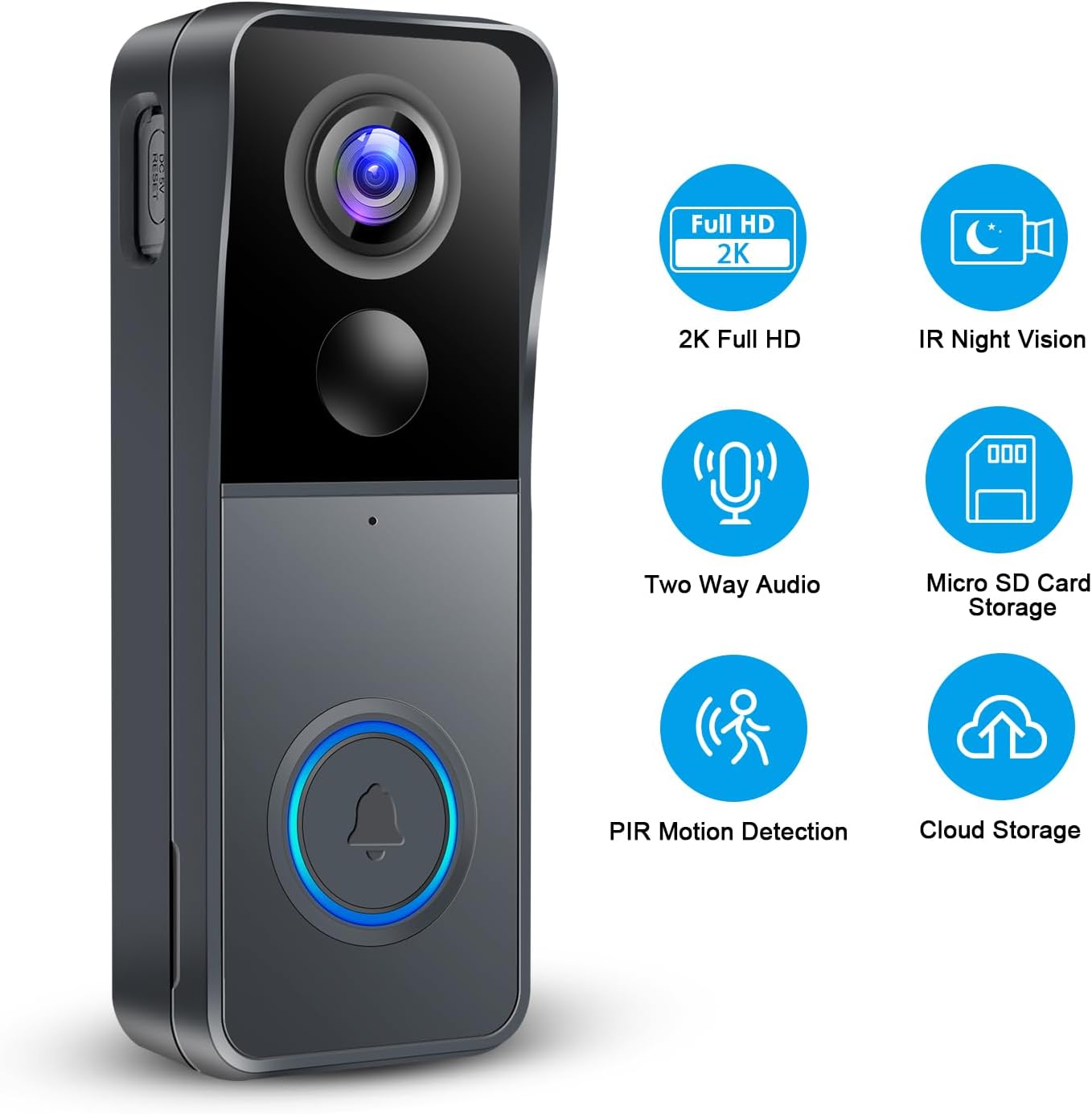
Midway through your research, it can be useful to compare a few standout models side by side. A detailed review of a wireless 2K HD video doorbell with chime, smart AI detection, instant alerts, two way talk, clear night vision, and support for only 2.4 GHz Wi‑Fi that works with Alexa can provide a concrete benchmark for features and performance, as shown in this wireless doorbell camera test. Comparing such a product to Ring and Tapo alternatives clarifies which accessories and integrations matter most to you.
Remember that ecosystems evolve over time through firmware updates and new accessories. A brand that regularly improves motion detection algorithms, expands compatibility with Alexa and Google Assistant platforms, and enhances video storage options will likely serve you better than a static competitor. Evaluating the pace of updates and customer support responsiveness is therefore part of assessing long term value.
Price, value, and how to read product listings
Price tags on video doorbells can be misleading if you focus only on the headline number. A low list price on an Amazon product page may hide compromises in motion detection, night vision, or storage flexibility. The best video doorbells with motion detection often sit in the mid range, where balanced features justify a slightly higher upfront cost and lower long term hassle.
When you read listings, separate marketing language from concrete specifications. Look for clear statements about resolution, field of view, night vision range, and whether the doorbell is wired or battery powered. If a product description mentions advanced motion detection but omits details about zones, person detection, or sensitivity controls, treat that as a warning sign and cross check with user reviews.
Subscription details deserve close attention because they shape long term value. A smart video doorbell that requires a monthly fee for basic video storage may cost more over three years than a rival with free local storage and optional cloud backup. Always calculate the total cost by multiplying the subscription by the number of doorbells and the expected years of use, then compare that figure with models that include local recording.
Some listings use vague timing phrases such as “offer valid until Thu Jul” or similar language. These references to dates like Thu Jul in promotions should not rush you into a purchase if you have not compared alternatives properly. Focus instead on whether the product meets your security needs, integrates with your existing devices, and offers clear information about updates and support.
Pay attention to compatibility notes such as “works with Alexa and Google Assistant” or “works with Amazon Echo”. These phrases indicate that the doorbell camera can stream video, announce visitors, or trigger routines through your preferred assistant. If a listing claims that a device works with multiple platforms, verify this in user reviews to ensure that integrations are stable rather than experimental or limited to basic features.
Value also depends on build quality and support. A slightly more expensive doorbell camera from a brand with responsive customer service, regular firmware updates, and clear documentation can save you time and frustration. In contrast, a cheaper product with poor app design or unreliable motion detection may end up unused after a few months, effectively wasting the initial saving.
For many households, the sweet spot lies in a mid priced smart video doorbell with solid night vision, accurate motion detection, and flexible storage options. Whether you choose Ring, Tapo, or another brand, prioritise transparent specifications over flashy marketing claims. By reading listings critically and considering total ownership costs, you can select a video doorbell that delivers reliable security without unpleasant surprises.
As you finalise your choice, remember that the best video doorbells with motion detection are those that fit your daily routines, not just spec sheets. A doorbell camera that sends timely alerts, stores video securely, and works smoothly with your other devices will quietly protect your home for years. Taking the time to decode listings and understand each product’s trade offs is the most effective way to achieve that outcome.
Key figures about smart video doorbells and motion detection
- According to Strategy Analytics’ “Smart Home Device Vendor Market Shares” report for 2021, global shipments of smart video doorbells exceeded 8 million units in that year, reflecting rapid adoption as homeowners prioritise visible security at their front doors.
- Consumer surveys from Parks Associates’ 2022 “Smart Home Buyer Journey” study indicate that more than 40 percent of smart home security buyers rank motion detection accuracy as their top feature requirement, ahead of resolution or brand recognition.
- Research by the UK’s Office for Product Safety and Standards in its 2020 review of connected consumer products shows that battery powered smart security devices, including video doorbells, now account for over half of new installations, driven by renters and households without existing wiring.
- Independent testing by organisations such as Consumer Reports, summarised in its 2023 smart doorbell ratings, has found that advanced motion detection and person recognition can reduce false alerts by up to 80 percent compared with basic pixel based detection, significantly improving user satisfaction.
- Industry analyses from firms like Omdia, including the 2022 “Cloud Services for Smart Home Devices” report, suggest that cloud storage subscriptions for smart cameras and doorbells generate billions of dollars in recurring revenue annually, underscoring why many brands bundle limited free storage with paid upgrades.