Choosing between wired, battery, and hybrid power options
Power design shapes how your video doorbell behaves every single day. A fully wired doorbell connects to your existing doorbell transformer, which means no recharging and more consistent video streaming, but it may require professional installation if your wiring is old or missing. A battery doorbell is easier to mount on a gate, fence, or apartment door, although you must plan for charging cycles and possibly keep a spare battery ready.
Hybrid designs use a wired connection for trickle charging while still keeping an internal battery, which gives flexibility during power cuts or Wi-Fi router reboots. When you compare the best video doorbells with two-way audio, look at how each newest model manages power saving, because aggressive battery modes can limit live view, motion detection, and video storage options. For a deeper look at resolution and compression trade-offs, a guide to top 2K video doorbells helps you understand how higher definition affects both storage and battery life.
Power also influences where you can place the doorbell camera to maximise the field view over your entrance. A wired doorbell usually sits exactly where the existing doorbell button was installed, which might not give the best angle on packages or side paths. Battery doorbells can move lower or to one side, improving the view of the doorstep, but you must still keep them within Wi-Fi range and sheltered from direct rain for long-term security.
Field of view, resolution, and night vision performance
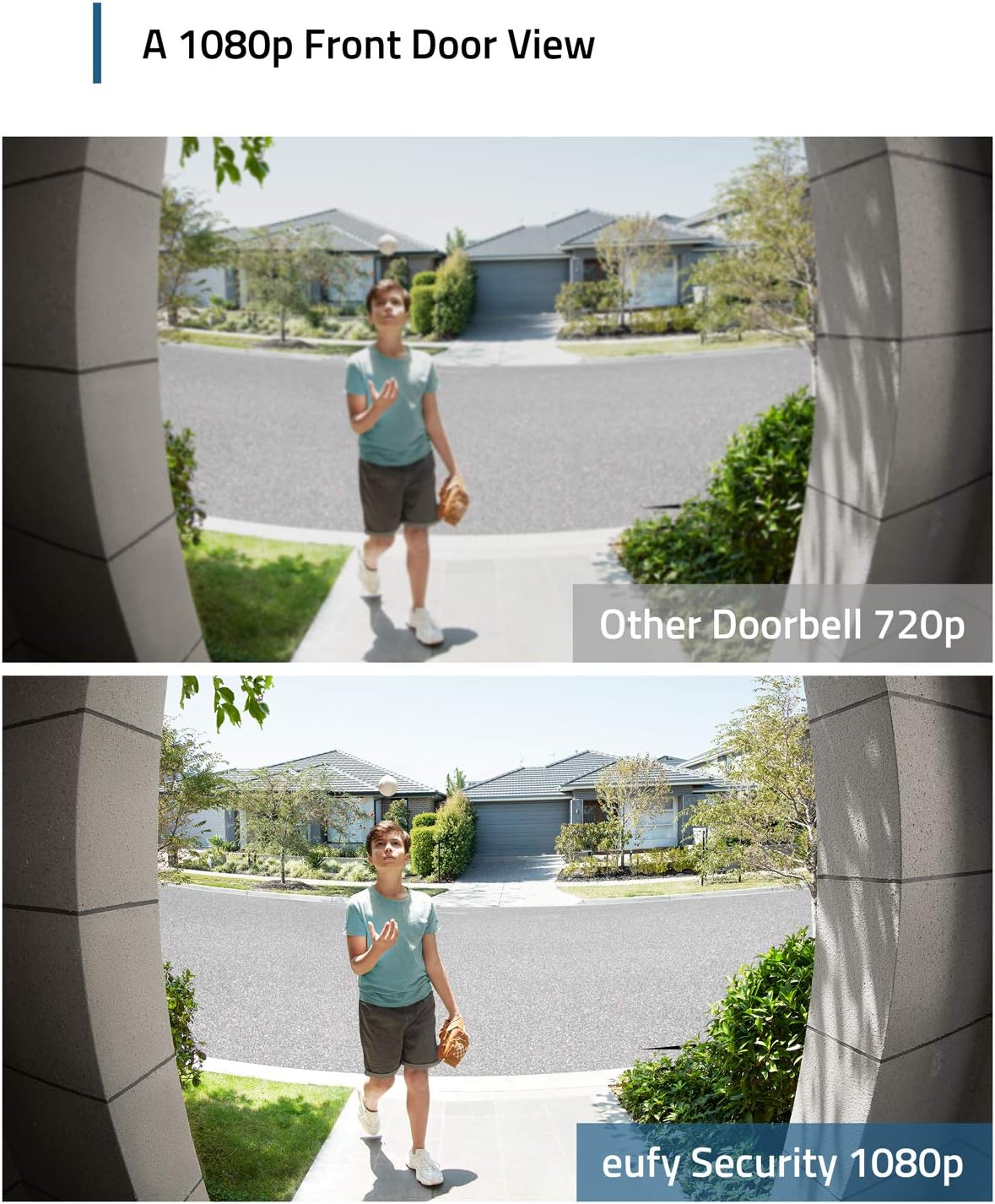
The camera inside a smart video doorbell is your primary window on the outside world. A wide field view, often between 140 and 160 degrees, lets you see visitors from head to toe and also track packages left close to the door. Vertical video formats used by several doorbells, including some Nest Doorbell and Ring models, prioritise the area from the doorstep to the street rather than wasting pixels on the sky.
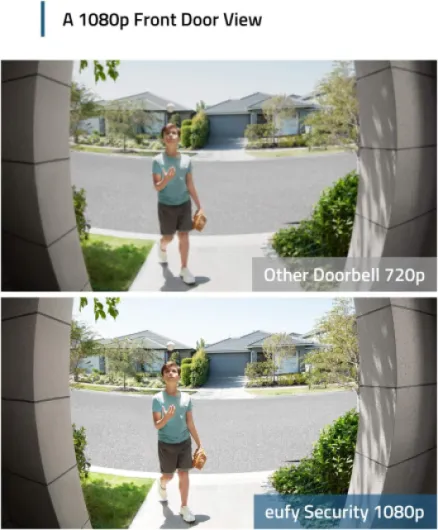
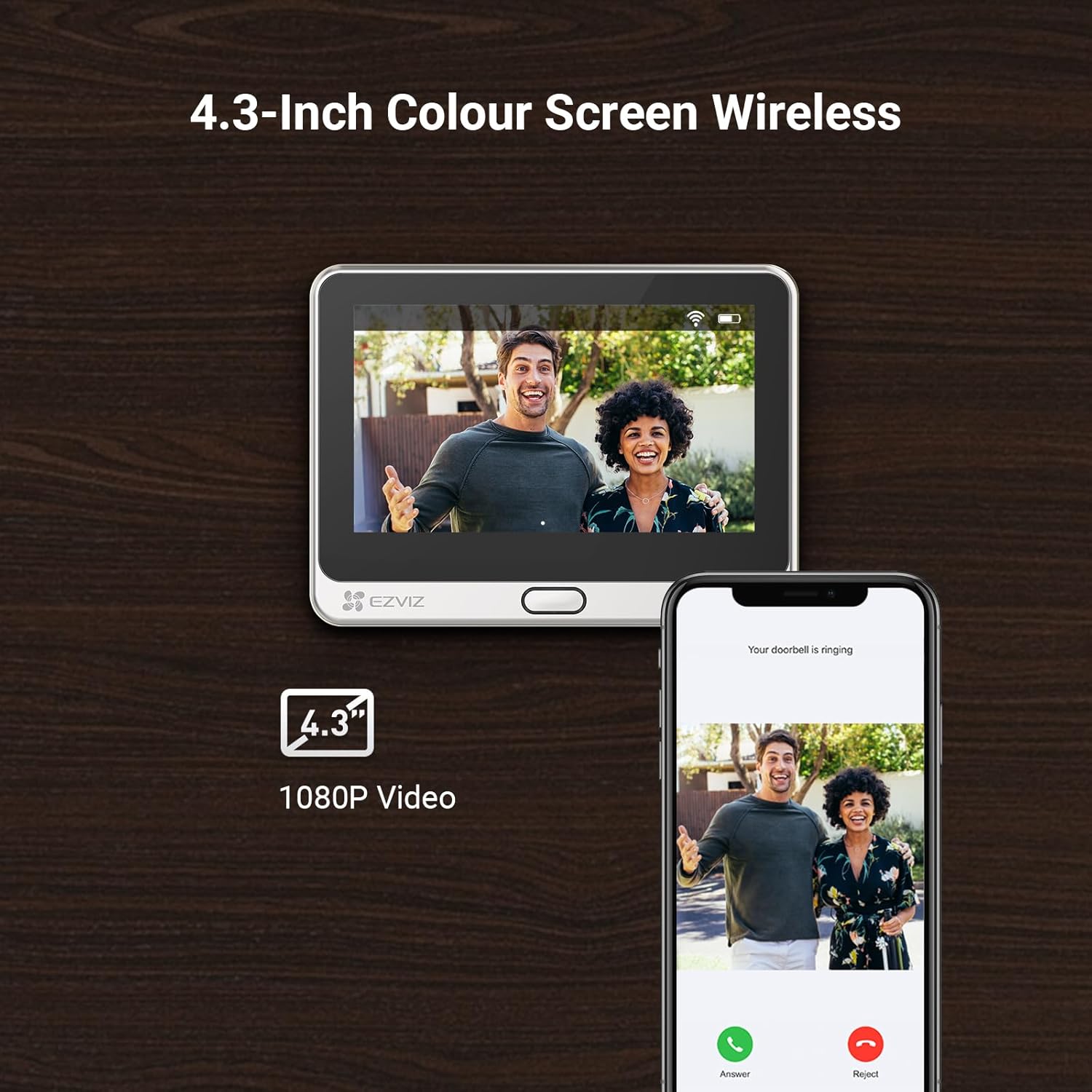
Resolution matters because it determines whether you can read a licence plate or identify a face when you zoom into recorded video. Many of the best video doorbells with two-way audio now offer 1080p or 2K video, while a few premium devices push higher, but you should balance resolution against your internet upload speed and chosen video storage plan. Higher-resolution clips consume more cloud storage or local storage, and they can also drain a battery doorbell faster if motion detection triggers frequent recordings.
Low-light performance is just as important as daytime clarity, since many suspicious visitors arrive at night. Look for infrared night vision that keeps faces recognisable without blowing out details, and check how the doorbell handles mixed lighting from street lamps and porch lights. Some doorbells combine colour night vision with built-in LEDs, which can improve security by flooding the entrance with light while you speak through two-way audio to challenge anyone lingering near your door.
Smart alerts, motion detection, and privacy controls
Modern video doorbells do far more than ring when someone presses the button. They use motion detection to start recording before a visitor reaches the door, which means you capture the full sequence of events rather than just the final knock. Advanced models distinguish between people, animals, vehicles, and general movement, reducing false alerts from passing cars or tree branches.
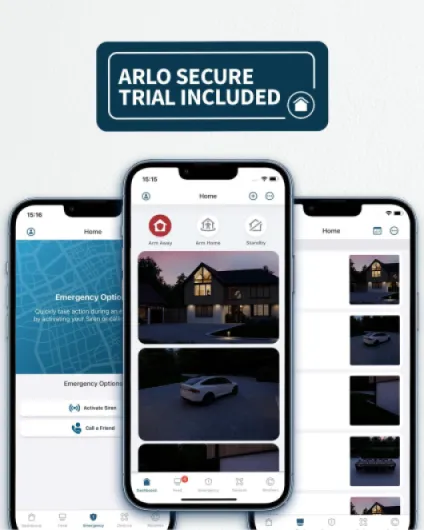
For people seeking the best video doorbells with two-way audio, smart alerts are crucial because they decide when you actually open the app and start talking. Look for adjustable motion zones, sensitivity sliders, and the ability to ignore motion beyond your property line, which protects neighbour privacy while still guarding your own security. Some ecosystems, such as Ring with its Ring Protect plans, and Google with Nest Aware for Nest Doorbell devices, add cloud-based analysis that improves detection accuracy but usually means a subscription required after any free trial ends.
Privacy tools matter as much as detection features, especially in dense urban housing. Check whether your chosen doorbell camera supports privacy zones that permanently block parts of the field view from recording, such as a neighbour’s window or shared walkway. Also review how long video storage lasts in the cloud, whether local storage with a microsd card is available, and how easily you can delete clips from both cloud storage and any linked devices.
Storage, subscriptions, and ownership of your footage
Every video doorbell generates a steady stream of clips, and you need a clear plan for storage. Cloud storage is the default for many brands, including Ring and Nest Doorbell, because it keeps footage safe even if someone steals the doorbell itself. However, cloud plans often require a monthly fee, and the subscription required for full-length recordings or extended history can surprise buyers who focused only on the upfront price.
Local storage offers an alternative for people who prefer to keep video on site. Some smart doorbells record directly to a microsd card in a base station or chime accessory, which avoids ongoing subscription costs but makes the system vulnerable if the hardware is damaged or removed. Hybrid systems combine local storage with optional cloud storage, giving you both immediate access and off-site backup, and these can be attractive for those comparing the best video doorbells with two-way audio for long-term security.
Ring devices rely heavily on Ring Protect plans for extended video storage, snapshot capture, and rich notifications, while other brands bundle limited free history with optional upgrades. When you read product pages on Amazon or brand websites, look carefully at how long clips are kept, whether person detection requires a paid tier, and how easy it is to download important evidence for police or insurance. Owning your footage in a meaningful way means understanding retention policies, export tools, and the balance between convenience and privacy.
Comparing Ring, Nest, and premium pro models
Brand ecosystems shape how your doorbell works with the rest of your home. Ring video doorbells integrate tightly with Alexa speakers, Fire TV devices, and other Ring security products, which makes them attractive for households already invested in Amazon hardware. Nest Doorbell models, by contrast, fit naturally into Google Home setups, where you can cast live view feeds to Nest Hub displays and use Google Assistant voice commands.
Within the Ring range, you will find both wired doorbell options and battery doorbells, as well as higher-end devices such as the Doorbell Pro series. If you are torn between a wired doorbell pro and a battery doorbell pro, a detailed comparison like the 4K showdown between wired and battery Doorbell Pro models helps clarify differences in resolution, power, and installation. These pro-level devices usually offer superior night vision, faster motion detection, and more refined two-way audio, which matters if you rely on your doorbell as a frontline security camera.
Battery-focused buyers who want flexibility can also explore curated lists of top battery powered video doorbells that highlight models optimised for long battery life and strong wireless performance. When you compare these against wired pro units, weigh the trade-off between professional installation and the freedom to mount the doorbell wherever the field view is best. For many households, the best video doorbells with two-way audio are those that integrate smoothly with existing doorbells, smart speakers, and security cameras while still offering clear upgrade paths.
Installation, reliability, and buying tips for informed shoppers
Installation is often the moment when a promising product becomes either a delight or a frustration. If you are replacing an existing doorbell, check the transformer voltage, chime compatibility, and Wi-Fi coverage at the front door before you buy any video doorbell. Older homes sometimes need a new transformer or bypass wiring, which is where professional installation can save time and prevent damage to both the doorbell and your electrical system.
Reliability depends on stable power, strong Wi-Fi, and sensible app settings that balance motion detection with battery life or heat management. Test live view several times a week, especially at night, to confirm that night vision remains clear and that two-way audio stays in sync with the video stream. If you notice delayed alerts, frozen video, or missed motion events, adjust router placement, change Wi-Fi channels, or reduce the number of devices competing for bandwidth.
When buying, focus on three pillars: security features, ongoing costs, and ecosystem fit. Security includes resolution, field view, night performance, and how quickly you can speak through two-way audio when motion alerts arrive. Ongoing costs cover any subscription required for cloud storage, advanced detection, or extended history, while ecosystem fit means checking how well the doorbell camera works with your smart locks, lights, and existing doorbells so that your investment remains useful for many years.
Key figures on video doorbells and home security
- According to data from Parks Associates, more than 20 percent of broadband households in the United States now own at least one smart home security device, and video doorbells are among the fastest-growing categories within that segment (Parks Associates, 2022, Smart Home Tracker).
- Research from Strategy Analytics reported that Ring held a leading share of the global video doorbell market, with estimates above 35 percent, reflecting the strength of its ecosystem and Ring Protect subscription services (Strategy Analytics, 2021, Smart Home Surveillance Cameras and Video Doorbells report).
- A study by the UK police service found that homes using visible security cameras, including video doorbells at main entrances, experienced significantly lower burglary rates, with reductions in some neighbourhoods exceeding 30 percent compared with similar homes without cameras (UK police crime prevention briefing, 2020, summarising multiple force-level evaluations).
- Consumer surveys from J.D. Power have shown that satisfaction scores for smart doorbells rise sharply when installation takes less than one hour, highlighting the importance of clear instructions and simple mounting systems (J.D. Power smart home study, 2021, U.S. Home Security Satisfaction Study).
- Cloud storage plans for video doorbells typically range from a few euros or dollars per month for a single camera to higher-tier packages that cover multiple devices, and these recurring costs can exceed the original hardware price over several years of continuous use, according to manufacturer pricing sheets and public tariffs reviewed in 2023.