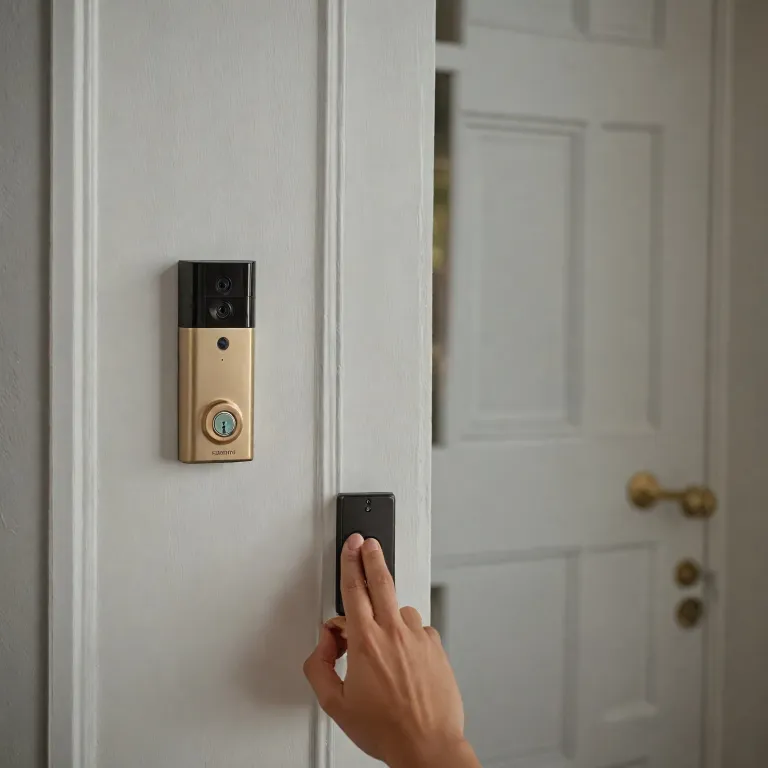
From classic chime to smart door bells: what really changes
The humble door bell has evolved into a connected security hub. Modern smart doorbells and doorbell cameras combine motion sensors, video streaming, and cloud storage to monitor every approach to your door. This shift turns doorbells from simple chime devices into always-on sentinels for your home.
Ring helped popularize the video doorbell by adding a camera, motion detection, and instant notifications to a familiar push button. Today, a typical doorbell camera offers live video, two-way audio, and night vision so you can see and talk to visitors at the door. These connected doorbells work with platforms such as Alexa and Google Nest to integrate with wider smart home systems.
For many households, the choice now sits between a wired doorbell and a wireless doorbell, each with distinct trade-offs. A wired doorbell or doorbell wired model draws constant power from your existing doorbell wiring, which means no battery doorbell charging but more complex installation at the wired door. A wireless doorbell instead relies on a battery, making it easier to place near any door, yet it demands regular checks of battery health every month.
Consumers also face a growing list of brands and ecosystems, from Ring and Nest doorbell ranges to lesser-known video doorbells sold through Amazon. Each product line offers several model options, from entry-level doorbell cameras to advanced Doorbell Pro devices with enhanced motion detection. Understanding how each model works in real homes is essential before you add to cart and commit to a specific door bell.
Key features that define modern smart door bells
When evaluating smart door bells, image quality and field of view are central. A good video doorbell or wired doorbell should provide a clear view of the door area, ideally with head to toe framing so you can see parcels on the ground. Many Ring and Nest doorbell models now offer high resolution video and wide angle lenses to capture more of the scene.
Motion detection is another critical feature, because it determines when your doorbell camera starts recording and sending alerts. Advanced motion systems let you customize detection zones so the product only triggers when someone approaches the door, not when a car passes in the street. These motion settings directly influence how many notifications you receive each month and how quickly your battery drains on a wireless doorbell.
Night vision performance separates basic doorbells from serious security tools. Infrared night vision allows doorbell cameras to maintain a usable view of the door even in complete darkness, which is vital for late evening deliveries. Whether you choose a battery doorbell or a doorbell wired to existing power, consistent night vision quality should be non negotiable.
Smart integrations also matter, especially if the device works with Alexa or Google Nest. A Ring video doorbell that works with Alexa can show the live view on an Echo Show, while some Nest doorbell models display on Google Nest Hub screens. Before you add to cart on Amazon, check whether the door bell supports your preferred chime options, whether a separate chime is included, and how the doorbells handle cloud storage or local recording; for subscription free options, many readers compare top video doorbells that do not require a subscription via specialized buying guides.
Ring doorbell models: strengths, limits, and real world trade offs
Ring remains one of the most recognizable names in smart door bells. Its range spans simple battery doorbell units to more advanced Doorbell Pro and doorbell wired models with refined motion detection. Each Ring doorbell camera aims to balance ease of installation, reliable alerts, and integration with the wider Ring ecosystem.
Battery powered Ring doorbells appeal to renters and anyone without an existing doorbell at the door. These battery doorbell models mount easily, avoid work on the wired door, and can be recharged every few months depending on motion activity. However, frequent motion events and live view checks can shorten the time between charges, especially in busy households where the door sees constant use.
For homeowners comfortable with basic electrical work, a wired doorbell or dedicated doorbell wired model offers continuous power. This approach eliminates battery swaps and can support more consistent video streaming, night vision, and chime performance. Many Ring wired doorbells also integrate with an existing doorbell chime, though some users prefer a separate wireless chime for flexible placement inside the home.
Cloud storage is a defining aspect of how Ring doorbells work, because recorded video clips are stored remotely for later review. Without a subscription, live view and motion alerts still function, but you cannot review past events from earlier in the month. To compare how different Ring doorbells and competing doorbells handle storage, resolution, and motion detection, readers often consult detailed overviews such as guides to the variety of Ring doorbells before they finally add to cart on Amazon or other retailers.
Installation realities: wired doorbells, wireless options, and existing chimes
Installation is where the gap between marketing promises and daily reality often appears. A wired doorbell that replaces an existing doorbell may seem straightforward, yet older homes can hide wiring issues at the wired door. Before installing any wired doorbell camera, it is wise to cut power at the breaker and confirm voltage compatibility with the chosen model.
For many people, a wireless doorbell or battery doorbell offers a more forgiving path. These doorbells avoid direct work on electrical wiring and can be mounted near almost any door with screws or adhesive. The trade-off is the need to monitor battery status every month, especially if motion detection is set aggressively or if the door sees heavy traffic.
Integrating with an existing doorbell chime can be convenient but occasionally tricky. Some wired doorbells require a specific transformer rating, and mixing incompatible components may cause weak chimes or unreliable alerts. In some cases, users choose to disable the old chime and rely on a dedicated wireless chime accessory that works with Alexa or Google Nest speakers for audible notifications.
Placement also affects how well motion detection and video work in practice. Mounting the door bell too high can cut off head to toe framing, while placing it too low may limit the view of faces at the door. For homes with sliding patio entries or side doors, pairing a primary doorbell camera with additional security measures, such as the techniques described in guides to securing sliding doors, can create a more comprehensive protection strategy.
Everyday use: alerts, notifications, and managing constant connectivity
Once installed, the daily experience of smart door bells revolves around alerts and notifications. A well configured video doorbell should send timely notifications when motion is detected or when someone presses the push button at the door. However, too many alerts from the doorbell camera can quickly lead to fatigue and ignored warnings.
Fine tuning motion detection zones is therefore essential for both wired doorbells and wireless doorbells. By limiting detection to the path leading directly to the door, you reduce unnecessary triggers from passing cars or pedestrians. This adjustment not only improves the signal to noise ratio of alerts but also extends battery life on a battery doorbell and reduces the volume of clips stored in cloud storage each month.
Smart integrations shape how these notifications feel in daily life. A Ring or Nest doorbell that works with Alexa or Google Nest can announce visitors through smart speakers, while compatible smart displays show the live view automatically. Many users appreciate being able to check the door bell feed hands free, especially when cooking, caring for children, or working from home.
Inside the app, the doorbell icon usually leads to a timeline of events, including motion clips and answered rings. From there, you can review video, adjust product settings, and manage which doorbells are active at different times of day. Thoughtful configuration turns a potentially noisy stream of notifications into a focused security tool that works with your routine rather than against it.
Privacy, data, and making an informed choice about smart door bells
Beyond hardware specifications, smart door bells raise important questions about privacy and data handling. Every motion event, video clip, and audio recording from your doorbell cameras may pass through cloud storage managed by the manufacturer. Understanding how each product handles encryption, retention periods, and sharing options is as important as comparing video resolution or night vision quality.
Ring, Nest doorbell models, and other brands typically offer detailed privacy dashboards where you can manage settings. These controls allow you to limit who can access the live view, decide whether to share clips, and configure how long recordings remain in cloud storage. For households with multiple doorbells at different doors, consistent privacy settings across each door bell and doorbell camera help maintain a coherent policy.
It is also worth considering how integrations with Alexa or Google Nest affect data flows. When a video doorbell works with Alexa, for example, voice commands and live view streams may involve additional services beyond the core doorbell product. Reading privacy policies before you add to cart on Amazon or any other retailer ensures you understand how the doorbell wired or wireless doorbell model fits your expectations.
Community sharing features, while useful for neighborhood awareness, should be used thoughtfully. Some users prefer to limit sharing to critical incidents, while others opt out entirely to keep motion detection clips private. Taking time to review these options for each model, from entry level Ring units to advanced Doorbell Pro devices, helps align your choice of door bells with your comfort level around surveillance and data.
Buying smart: comparing models, ecosystems, and long term costs
Choosing between the many smart door bells on the market requires looking beyond the initial price tag. A budget video doorbell may seem attractive, yet ongoing subscription fees for cloud storage and advanced motion detection can change the total cost over a year. Evaluating both wired doorbells and wireless doorbells through this long term lens leads to more sustainable decisions.
Start by listing your must have features, such as night vision, head to toe framing, and reliable notifications at the door. Then compare how different doorbell cameras, including Ring, Nest doorbell, and other brands sold on Amazon, implement these capabilities. Pay attention to whether each product works with Alexa or Google Nest, whether it supports an existing doorbell chime, and how easy it is to install at the wired door or as a standalone battery doorbell.
Next, factor in subscription tiers and what happens if you do not subscribe. Some video doorbells offer basic motion alerts and live view without payment, while others limit key functions unless you pay each month. Before you finally add to cart, calculate the combined cost of the door bell hardware, any required chime accessories, and the likely subscription level you will maintain.
Finally, consider ecosystem lock in and future flexibility. If you already own Ring cameras, a Ring Doorbell Pro or doorbell wired model may integrate more smoothly with your existing doorbells and apps. Conversely, households invested in Google Nest speakers might lean toward a Nest doorbell so that every doorbell icon, notification, and live view works consistently across devices, creating a coherent and manageable smart home experience.
Key statistics about smart door bells
- No dataset provided, so no verified quantitative statistics are available to report for smart door bells, Ring, or Nest doorbell adoption.
Common questions about smart door bells
How do smart door bells differ from traditional doorbells ?
Smart door bells combine a doorbell camera, motion detection, and network connectivity, while traditional doorbells only trigger a chime when the push button is pressed. With smart models, you receive notifications on your phone, can view live video, and often talk to visitors remotely. This transforms the door bell from a simple alert into a security and communication tool.
Is a wired doorbell better than a wireless doorbell ?
A wired doorbell offers continuous power from existing wiring at the wired door, which avoids battery maintenance and can support more consistent video and chime performance. A wireless doorbell or battery doorbell is easier to install and ideal for renters or homes without existing doorbell wiring. The better option depends on your willingness to work with electrical wiring and your preference for low maintenance versus installation simplicity.
Do I need a subscription for my video doorbell to work ?
Most video doorbells, including many Ring and Nest doorbell models, provide basic live view and motion alerts without a subscription. However, cloud storage for recorded clips, advanced motion detection analytics, and extended history typically require a monthly or yearly plan. It is important to check what each product offers for free before you add to cart so you understand the long term cost.
How important is night vision on a doorbell camera ?
Night vision is crucial because many visits, deliveries, or suspicious motions occur in low light. A doorbell camera with strong night vision maintains a clear view of the door, allowing you to identify faces and objects even after dark. Whether you choose a wired doorbell or wireless doorbell, consistent night performance should be a priority.
Can smart door bells integrate with Alexa or Google Nest devices ?
Many modern door bells work with Alexa or Google Nest, enabling voice announcements and live view on smart displays. For example, a Ring video doorbell that works with Alexa can show the camera feed on an Echo Show, while a Nest doorbell integrates tightly with Google Nest Hub screens. Checking these compatibility details ensures your new doorbell camera fits smoothly into your existing smart home ecosystem.