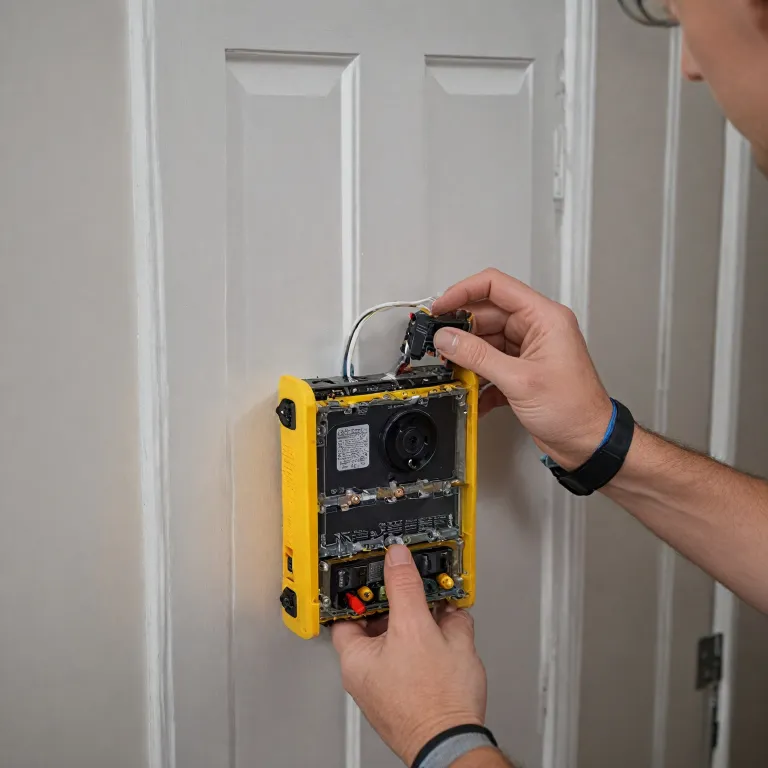
Planning a safe low voltage transformer doorbell installation
Installing a Ring doorbell with a low voltage transformer starts with careful planning. You need to understand how the existing doorbell, transformer, wiring, and electrical box interact, because each part affects safety and long term reliability. Before you install doorbell hardware or touch any wire, map every step on paper so the process feels controlled and predictable.
Begin by locating your current doorbell chime and the small transformer that feeds low voltage power to it. In many homes the transformer doorbell unit is mounted on a junction box near the main electrical panel, on a ceiling joist, or beside a light switch, and it usually has two or three voltage wires exiting from screw terminals. Check the label on the doorbell transformer to confirm its voltage rating, typically between 8 and 24 volts, and its power capacity in volt amperes, which must match Ring’s requirements.
Once you know the transformer voltage and capacity, examine the wire doorbell circuit that runs from the transformer to the chime and then to the button location. Trace the wires through any junction box or electrical box they pass through, and note where wires connect using wire nuts or where a wires screw holds them under screw terminals. If the existing wiring is brittle, undersized, or damaged, plan to replace those wires with modern low voltage cable that has clearly marked black white and sometimes white green conductors.
At this stage, decide whether you will reuse the existing chime or bypass it for a digital doorbell chime compatible with Ring. Some people prefer to keep the mechanical chime box for its familiar sound, while others choose a smart chime that plugs into a standard outlet and avoids extra wiring. Your choice will influence how you set wires at the transformer junction and how the wires connect at the Ring doorbell itself.
Safety checks before you turn power off and start wiring
Working around any electrical system, even low voltage, demands disciplined safety habits. The first rule is simple yet essential ; always turn power off at the main switch or breaker feeding the transformer before touching any wire or screw. After you flip the breaker, place a clear note on the panel so nobody accidentally restores power while you work on the doorbell wiring.
Use a voltage tester to confirm that the transformer primary side inside the junction box is de energized. Touch the tester probes to the black white conductors on the high voltage side, and verify that no reading appears before you loosen any screw terminals or wire nuts. Only when the voltage tester confirms that the electrical power is off should you remove the cover from the electrical box or chime box and expose the voltage wires that feed the doorbell transformer.
On the low voltage side, the risk of shock is much lower, but short circuits can still damage the transformer doorbell unit or the Ring device. Inspect every low voltage wire for nicks, crushed insulation, or loose wires screw connections that might cause intermittent faults when the doorbell chime activates. If you see corroded copper or discolored white green insulation, cut back to clean metal and prepare to set wires again with fresh terminations.
Pay attention to how the existing wires connect between the transformer, chime, and button, because you will replicate or adapt this layout. Take photos of each junction box and electrical box before you disconnect anything, capturing the exact routing of each wire and the position of every screw. These images become a practical guide later when you install doorbell components and need to confirm which terminals should receive each conductor.
Understanding transformer ratings, voltage wires, and Ring compatibility
The heart of any wired Ring doorbell installation is the transformer that supplies stable low voltage power. A typical doorbell transformer converts household electrical energy to a safer voltage range, and its label lists both the output voltage and the maximum load it can support. When you install low voltage transformer doorbell hardware for Ring, matching these ratings to the device specifications prevents overheating, buzzing, or random shutdowns.
Look closely at the transformer doorbell casing for markings such as 16 V, 24 V, and a volt ampere value like 30 VA. The output voltage must fall within Ring’s approved low voltage window, while the VA rating must be high enough to handle the continuous draw of a smart doorbell plus any traditional doorbell chime still connected. If the existing transformer in the junction box is undersized, plan a replacement that mounts securely to a compatible electrical box and uses proper screw terminals for both primary and secondary wiring.
On the high voltage side, the transformer usually connects to black white conductors that come from a dedicated circuit or a nearby light switch circuit. These voltage wires must be enclosed in an approved junction box, with all splices secured using wire nuts and no bare copper exposed beyond each wires screw connection. On the low voltage side, two or more smaller conductors exit the transformer junction area and run toward the chime box and doorbell location, often in a simple loop that allows the chime to sit between the transformer and button.
When you wire doorbell circuits for Ring, you may need to bypass the mechanical doorbell chime or add a compatible module. Follow the manufacturer guide for your specific model, because some devices expect the chime wiring to remain in place while others require direct wires connect from transformer to doorbell. If you are unsure whether your transformer, voltage, and chime combination is suitable, consult a licensed electrician who understands both traditional doorbell systems and modern smart devices.
Step by step wiring of the Ring doorbell and chime
Once planning and safety checks are complete, you can begin the practical step by step process to install low voltage transformer doorbell wiring for your Ring device. Start at the transformer junction, where the high voltage and low voltage wires meet, and confirm again with a voltage tester that the power remains off. Tighten any loose screw terminals on the transformer primary side, ensuring the black white conductors are firmly clamped and no copper strands escape the screws.
Move to the low voltage side of the transformer doorbell unit, where two small terminals usually hold the doorbell circuit. Loosen each screw slightly, slide the low voltage wire ends beneath the screw heads, and retighten until the wires cannot move when gently tugged. If multiple voltage wires must share a single terminal, twist them neatly together first, then secure them under the screw terminals so the set wires stay organized and strain free.
At the doorbell chime box, identify the terminals often labeled “TRANS,” “FRONT,” and sometimes “REAR,” which correspond to transformer, front doorbell, and rear doorbell circuits. Follow the guide provided with your Ring device to decide whether the chime remains in the circuit or is bypassed, then adjust how the wires connect accordingly. Use wire nuts to join any conductors that must be spliced, and keep all connections inside the electrical box or junction box to maintain code compliance and physical protection.
Finally, at the Ring doorbell location, strip a small length of insulation from each low voltage wire and attach them to the designated terminals on the back of the unit. The polarity usually does not matter for a simple low voltage doorbell circuit, but keep the wire routing tidy so the device sits flat against the wall or mounting plate. When every screw, wire, and box is secure, you are ready to turn power back on and test the system.
Testing, troubleshooting, and optimizing Ring performance
After you turn power back on at the main switch, return to the Ring doorbell and observe whether it powers up correctly. The device should show clear indicators that the low voltage transformer is supplying stable power, and the Ring app will usually guide you through network setup and firmware updates. If the doorbell fails to start, use a voltage tester at the screw terminals to confirm that the transformer voltage reaches the unit.
When the Ring device is online, press the button to verify that the doorbell chime or smart chime responds as expected. If you kept a mechanical chime box in the circuit and it only buzzes or clicks, the transformer doorbell rating may be marginal, or the wiring between chime and transformer junction may be loose. Inspect each electrical box, tighten any suspect wires screw connection, and confirm that all wire nuts fully cover the twisted conductors without exposing bare copper.
For intermittent issues, pay attention to environmental factors such as moisture entering the doorbell wiring cavity or corrosion on the white green or black white conductors. Ensure the junction box that houses the transformer and high voltage wires has an intact cover, and that the low voltage wire doorbell cable is not pinched behind siding or masonry. Sometimes relocating the transformer to a cooler, drier electrical box improves long term reliability and reduces humming noises from the core.
If you are comparing battery and wired Ring models, a detailed technical overview of power options can be helpful, and you can find one in this in depth Ring 2 battery guide at understanding the Ring 2 battery. Even when using a battery capable model, many homeowners still choose to install low voltage transformer doorbell wiring for continuous charging and reliable chime integration. In complex homes with multiple chimes or long wire runs, a professional electrician can measure voltage drop, adjust transformer size, and ensure every wires connect point meets local electrical standards.
Maintenance, upgrades, and when to call a professional electrician
A properly installed low voltage transformer doorbell system for Ring requires little day to day attention, but periodic checks preserve safety and performance. Once or twice a year, remove the Ring doorbell from its mount and inspect the wire connections at the screw terminals for signs of corrosion, overheating, or loose wires screw joints. Gently tighten any suspect screws, and confirm that the low voltage insulation remains flexible and intact.
At the transformer junction, verify that the electrical box cover is secure and that no wire nuts have loosened due to vibration or thermal cycling. Use a voltage tester to confirm that the transformer voltage remains within the expected range under load, especially if you have added extra devices such as an additional doorbell chime or smart relay. If the transformer doorbell casing feels excessively hot to the touch, consider upgrading to a higher capacity model that can handle the continuous draw of modern smart devices.
Homeowners sometimes expand their systems by adding a second Ring doorbell at a side or rear entrance. In such cases, you must calculate whether the existing low voltage transformer and wire doorbell circuit can support the extra load without excessive voltage drop. An electrician can evaluate the gauge of the voltage wires, the total cable length, and the number of chimes to determine whether a new junction box and transformer are necessary.
Whenever you encounter damaged insulation, confusing wiring paths, or mixed black white and white green conductors that do not follow standard color codes, professional help is strongly recommended. A licensed electrician understands how to route wires through a junction box, how to set wires safely under screw terminals, and how to ensure that all wires connect points meet code. This expertise protects your Ring doorbell, your home, and everyone who relies on the system for security and convenience.
Key statistics about wired Ring doorbell installations
- Percentage of Ring doorbell users who choose wired low voltage power over battery only configurations.
- Average transformer voltage range used in residential doorbell systems and the proportion that meet modern smart doorbell requirements.
- Typical failure rate of legacy doorbell transformers after extended years of continuous service.
- Share of installation issues traced to incorrect wiring at the chime box or transformer junction.
- Estimated reduction in missed notifications when a Ring doorbell is powered by a stable transformer instead of relying solely on battery power.
Common questions about installing a low voltage transformer for Ring
How do I know if my existing transformer can power a Ring doorbell ?
Check the label on your current doorbell transformer for its output voltage and volt ampere rating. Compare these values with the Ring specifications, ensuring the voltage falls within the approved low voltage range and the VA rating meets or exceeds the minimum requirement. If the markings are missing or unclear, use a voltage tester under load or consult an electrician to verify compatibility.
Can I install a new transformer doorbell unit without replacing my old chime ?
In many homes you can keep the existing doorbell chime while upgrading the transformer, provided the new transformer voltage and capacity match both the chime and Ring requirements. Follow the wiring guide for your specific Ring model to see whether the chime should remain in series or be bypassed. If the chime buzzes, hums, or fails to ring after the upgrade, you may need a compatible digital chime or a revised wiring layout.
Is it safe to work on low voltage doorbell wiring myself ?
Low voltage circuits are generally safer than mains wiring, but they still connect to an electrical source and can cause damage if mishandled. Always turn power off at the breaker, confirm with a voltage tester, and keep all connections inside an approved junction box or electrical box. If you are unsure about any step, especially where high voltage and low voltage wires meet, hire a licensed electrician.
Why does my Ring doorbell keep rebooting after installation ?
Frequent reboots often indicate that the transformer doorbell unit cannot supply enough stable power, or that there is excessive voltage drop along the wire doorbell run. Check all screw terminals, wire nuts, and junction box connections for looseness, and measure the voltage at the Ring terminals while the device is active. Upgrading to a higher capacity transformer and improving wiring quality usually resolves this issue.
Do I need a junction box for the transformer, or can it be loose ?
Electrical codes typically require the high voltage side of any transformer to be enclosed in a proper junction box or electrical box. This enclosure protects the black white conductors, wire nuts, and screw terminals from accidental contact and mechanical damage. Mounting the transformer securely to a box also provides strain relief for the voltage wires and helps dissipate heat safely over time.