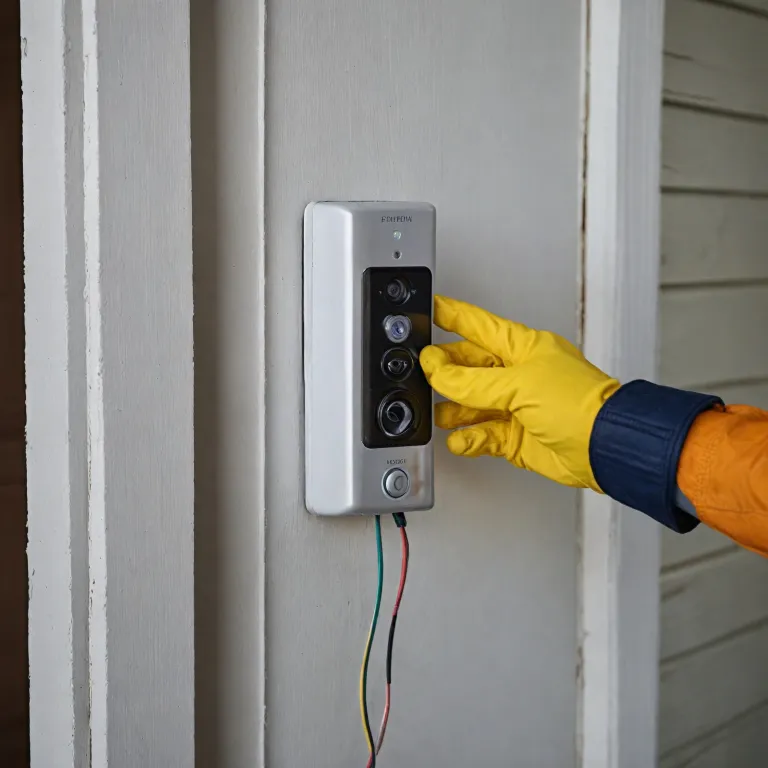
Understanding doorbell wiring basics in modern homes
Doorbell wiring looks simple at first glance, yet it hides important electrical details. A traditional doorbell uses a low voltage circuit where a transformer steps household power down to a safer level for the chime and button. In many homes, this same low voltage circuit now also supports a smart video doorbell such as a ring doorbell.
In a basic setup, the transformer connects to mains power and then feeds two low voltage wires to the doorbell chime. From the chime, another doorbell wire runs to the front doorbell button, creating a loop that closes when someone presses the button. This loop allows current to flow through the chime, making the doorbell ring while keeping the internal wiring isolated from dangerous mains voltage.
Most wired doorbell systems use 18 gauge copper wire, although some video doorbells benefit from slightly thicker wires for stability. The transformer usually delivers around 16 volts, and this low voltage will be clearly marked on the transformer housing. When several doorbells or multiple doorbell chimes are installed, the transformer must supply enough power so every doorbell chime and every ring doorbell remains reliably connected.
Inside the chime box, you typically see labeled terminal screws such as “front” and sometimes “rear” for a second button. Each terminal receives a specific doorbell wire, and the wires connected to the transformer and buttons must follow the wiring diagram supplied by the manufacturer. Keeping each wire connected to the correct terminal prevents short circuits, protects the transformer, and ensures the doorbell will operate as intended.
Key components in a ring doorbell wiring circuit
A modern ring doorbell still relies on the classic trio of transformer, chime, and button, but each component now carries extra responsibilities. The transformer must provide stable low voltage power for both the mechanical or electronic chime and the video doorbell electronics. If the transformer is undersized, the doorbell will behave erratically, the chime wired inside may buzz, and the video feed can cut out when the doorbell ring is pressed.
The doorbell transformer usually has two low voltage terminal screws where the low voltage wires connect, and two high voltage terminals tied into the household circuit. Low voltage doorbell wires connected to these terminals run to the chime and then to the front button or smart unit. When several doorbells share one transformer, correct wiring connect practices and accurate wiring diagrams become essential to keep all doorbells powered safely.
Inside the chime box, you find labeled terminals such as “trans,” “front,” and sometimes “rear” for a second doorbell button. Each terminal receives specific wires, and the chime type determines how many doorbell chimes or tones are available when different buttons are pressed. For advanced systems like Ring Door Elite, guidance from a detailed installation guide such as this professional ring doorbell wiring overview helps ensure every wire directly reaches the correct terminal.
With a video doorbell, the internal electronics draw continuous power, so the doorbell wire must be firmly secured under the screws and kept free of corrosion. A loose wire connected at the transformer or chime can interrupt power and leave the doorbell disconnected from the network. Careful inspection of each terminal, each set of wires connected, and the overall wiring diagrams will reduce troubleshooting later.
How traditional chimes interact with smart video doorbells
When upgrading to a ring doorbell, many homeowners want to keep their existing doorbell chime for a familiar sound. In a typical wired doorbell, the chime sits between the transformer and the front button, with doorbell wires connected to labeled terminals. A smart video doorbell replaces the old button but still uses the same wiring connect pattern so the internal relay can trigger the chime.
For this to work, the video doorbell must be compatible with the chime type, whether mechanical or digital. Some video doorbells require a specific chime wired configuration, while others need a separate module to adapt the voltage and current. If the doorbell wiring does not match the recommended wiring diagrams, the doorbell chimes may fail to sound or may hum continuously when the doorbell will attempt to draw power.
In many installations, the front terminal on the chime connects to the video doorbell, while the transformer terminal connects back to the doorbell transformer. The wires connected to these terminals must be secure, and any second terminal such as “rear” should remain unused or correctly capped if no rear button exists. When the doorbell ring is pressed, the internal relay in the video doorbell briefly connects wires to complete the circuit and activate the chime.
Because smart devices are sensitive to weather and power fluctuations, accessories can help protect the wiring and electronics. A dedicated accessory such as a weatherproof camera cover for ring doorbell shields the unit while leaving the doorbell wire and terminal screws accessible. This approach preserves the reliability of both the video doorbell and the traditional doorbell chimes over time.
Voltage, safety, and internal wiring practices
Even though doorbell wiring operates at low voltage, safety remains critical when working near mains power. The transformer connects to household power, so you must always switch off the circuit breaker before touching any wire connected to the transformer or chime. Once the power is off, you can safely inspect the internal terminals, check each doorbell wire, and confirm that all wires connected match the wiring diagrams.
Most residential transformers supply around 16 volts, which is enough power for a standard doorbell chime and a single video doorbell. When multiple doorbells or several doorbell chimes share one transformer, the total load increases and the transformer will run warmer. In such cases, upgrading to a transformer with higher capacity ensures the doorbell will remain stable, the chime wired inside will sound clearly, and the video doorbell will stay connected.
Good practice involves routing each wire directly along protected paths, avoiding sharp bends and potential pinch points. At every terminal, the copper of the doorbell wire should be clean, with no frayed strands escaping from under the screws. When you connect wires, leave enough slack so future maintenance on the wired doorbell or ring doorbell does not strain the insulation or pull wires connected away from the transformer.
Because smart doorbells handle video, audio, and network communication, they depend on consistent low voltage power and solid wiring connect techniques. If the doorbell connected circuit experiences intermittent contact, the video doorbell may reboot or drop its Wi Fi connection. Careful attention to each terminal, every wire connected, and the overall diagram will reduce these issues and keep the doorbell ring and video stream reliable.
Practical wiring diagrams for single and multiple doorbells
Clear wiring diagrams are essential when planning or troubleshooting doorbell wiring, especially with a ring doorbell upgrade. In a simple single doorbell layout, the transformer low voltage terminals connect to the chime and then to the front button or video doorbell. The doorbell wire from the transformer “trans” terminal goes to the chime, while another wire connected from the “front” terminal runs to the doorbell at the entrance.
When someone presses the button, the internal circuit closes, allowing current to flow from the transformer through the chime and back via the doorbell wire. This makes the doorbell ring and, in the case of a video doorbell, simultaneously triggers the camera and notification. In this configuration, the wired doorbell and the ring doorbell share the same low voltage power, so the transformer will need enough capacity to handle both loads.
For homes with a second entrance, a front rear configuration uses two buttons and sometimes different tones on the doorbell chimes. The wiring diagrams show separate wires connected from each button to the corresponding “front” and “rear” terminals on the chime. The transformer still feeds power through the “trans” terminal, and each doorbell connected to the system uses the same low voltage supply.
In more advanced smart home setups, homeowners may integrate a smart 2K Wi Fi video doorbell with chime using guidance from resources such as this smart video doorbell wiring guide. These systems rely on precise wiring connect steps so every wire directly reaches the correct terminal screws. Following accurate wiring diagrams ensures that all doorbells, chimes, and the doorbell transformer operate together without overloading the circuit.
Specific challenges with ring doorbell installations
Installing a ring doorbell on existing doorbell wiring often exposes weaknesses in older systems. Many legacy wired doorbell circuits use thin or damaged wires, and the transformer may no longer deliver stable voltage under load. When a video doorbell is added, the extra power demand can reveal these issues through flickering chimes, intermittent doorbell ring events, or frequent device restarts.
One frequent challenge involves identifying which wire connected to the chime corresponds to the transformer and which goes to the front button. In older homes, color codes may be inconsistent, so you must trace each doorbell wire carefully and compare the layout with modern wiring diagrams. Once the correct wires connected to each terminal are known, you can adapt the chime wired configuration to support the ring doorbell and any second button or rear entrance.
Another issue arises when the doorbell transformer is hidden in an attic, basement, or electrical panel, making inspection difficult. If the transformer rating is too low, the doorbell will not receive enough power, and the video doorbell may show warnings about insufficient voltage. Replacing the transformer with a properly rated model, then ensuring every wire directly reaches the correct terminal screws, usually resolves these stability problems.
Smart doorbells also raise privacy and security questions, especially when video is continuously recorded or stored in the cloud. While this article focuses on wiring connect details, users should also review network security, data retention, and access controls for any video doorbell. Combining robust electrical practices with thoughtful digital safeguards creates a reliable, safe, and respectful environment for everyone who approaches the doorbells at your home.
Key statistics about doorbell wiring and components
- Typical household doorbell transformers reduce mains voltage to approximately 16 volts for safe operation.
- Standard wired doorbell circuits commonly use 18 gauge copper wire for low voltage runs.
- Smart video doorbells may require higher capacity transformers to support continuous power draw.
- Most traditional chime boxes provide at least two labeled terminals, usually “trans” and “front,” with some including a “rear” terminal.
- Wired doorbell systems offer consistent power without the need for regular battery replacement.
Common questions about doorbell wiring and ring doorbell systems
What are the main components of doorbell wiring ?
The main components include a low voltage transformer, a chime unit, and one or more doorbell buttons or smart video doorbells. The transformer steps down household power to a safe voltage, while the chime and buttons form a loop using doorbell wire. Together, these elements allow the doorbell ring to sound whenever someone presses a button.
What are common configurations for doorbell systems ?
Common configurations include a single front doorbell connected to one chime, or a front rear layout with two buttons and distinct tones. In both cases, the transformer feeds low voltage power to the chime, and separate wires connected to labeled terminals run to each button. Smart video doorbells often replace one of these buttons while keeping the same basic wiring diagrams.
What safety considerations should be taken into account when dealing with doorbell wiring ?
You must always switch off the circuit breaker before working near the transformer or any wire connected to mains power. Even though the doorbell wiring itself is low voltage, the transformer primary side carries household voltage that can be dangerous. Using proper tools, following manufacturer wiring connect instructions, and keeping all wires connected securely under terminal screws greatly reduces risk.
How does a wired doorbell differ from a wireless doorbell ?
A wired doorbell relies on physical doorbell wire and a transformer to deliver continuous low voltage power. A wireless doorbell typically uses batteries in the button and sometimes in the chime, communicating via radio signals instead of wires connected to terminals. Wired systems are often preferred for video doorbells like ring doorbell because they provide stable power for video streaming.
Can existing doorbell wiring usually support a new video doorbell ?
In many homes, existing doorbell wiring can support a new video doorbell if the transformer provides adequate voltage and current. However, older transformers or damaged wires connected to the chime may need replacement to handle the continuous power draw. Checking the transformer rating, inspecting each wire directly at the terminals, and comparing the layout with current wiring diagrams will clarify whether an upgrade is necessary.