
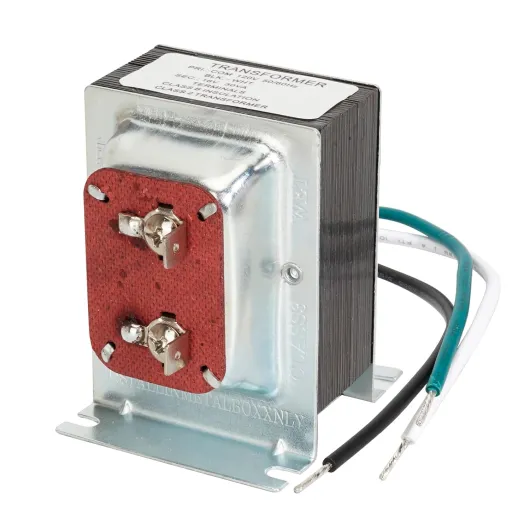
Understanding the role of a transformer in your doorbell system
Why Your Doorbell Needs a Transformer
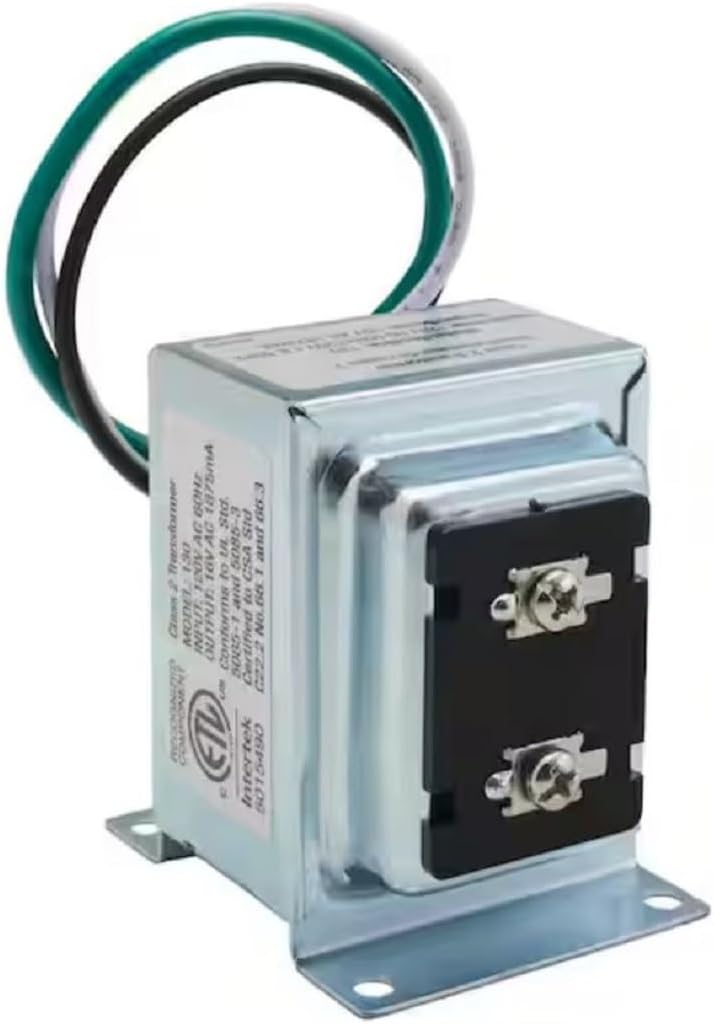
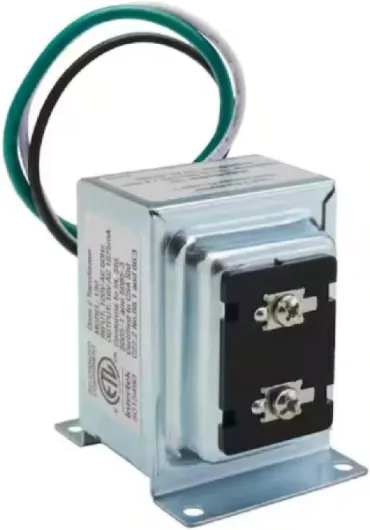
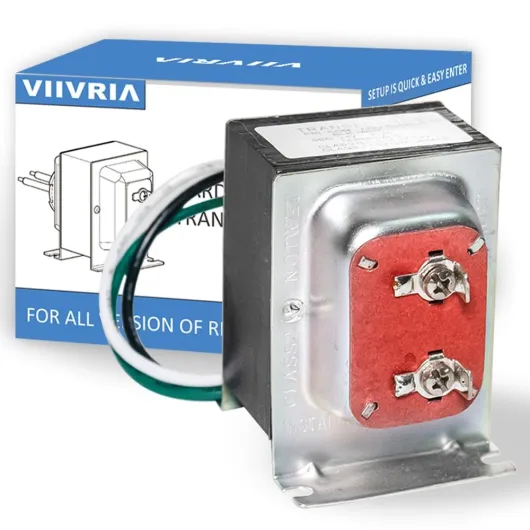
Most wired doorbells, including popular video doorbell models, rely on a transformer to function safely and efficiently. The transformer acts as a bridge between your household power and the low-voltage requirements of your doorbell chime and button. Standard household electrical systems deliver 120 volts, which is far too much for a doorbell system. The transformer reduces this voltage—usually to 16 or 24 volts—making it safe for the doorbell and chime to operate.
How the Transformer Fits Into the System
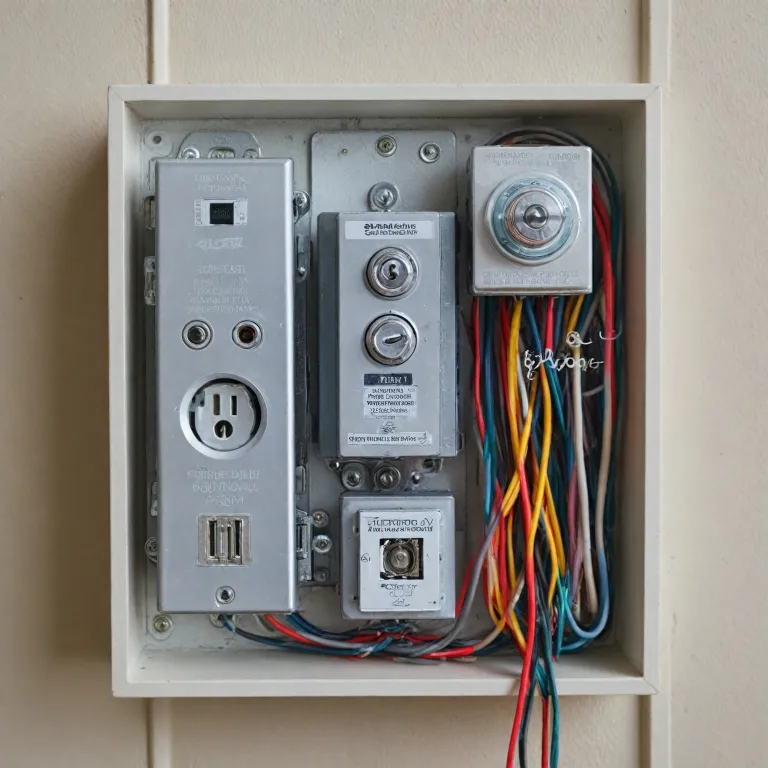
The transformer is typically mounted near your main electrical panel or inside a junction box. It connects to your home’s power through screw terminals and then sends the reduced voltage through wires to the doorbell chime and button. This setup ensures that when someone presses the doorbell, the circuit is completed, allowing the chime to sound without exposing the system to dangerous voltage levels.
- Power doorbell safely: The transformer protects your doorbell and chime from electrical surges.
- Connects with three wires: In many installations, you’ll find three wires—one from the transformer to the chime, one from the chime to the doorbell button, and one returning to the transformer.
- Essential for video doorbells: Modern video doorbells often require a steady, reliable power source, making the transformer even more critical.
What Happens Without a Proper Transformer?
If you attempt to install a wired doorbell or video doorbell without the correct transformer, you risk damaging the device or creating a safety hazard. An incorrect voltage can cause the chime not to ring, the video feed to fail, or even lead to electrical shorts. That’s why understanding the role of the transformer is the first step before you connect wires, install doorbell chimes, or mount any new device.
For more details on resetting your video doorbell after installation or troubleshooting, check out this step-by-step guide to resetting your Ring Doorbell.
Choosing the right transformer for your doorbell
Key factors to consider when selecting a transformer
Choosing the right transformer is crucial for a safe and reliable doorbell installation. The transformer acts as the bridge between your household power and your doorbell system, converting high voltage from your electrical box to a lower voltage suitable for your doorbell chime or video doorbell. Here are the main things to keep in mind:
- Voltage and amperage requirements: Most wired doorbells, including video doorbells, require a transformer that outputs between 16-24 volts AC. Check your doorbell’s specifications to confirm the exact voltage and amperage needed. Using the wrong transformer can cause your doorbell to malfunction or not power up at all.
- Compatibility with your doorbell and chime: Make sure the transformer matches both your doorbell and your existing doorbell chime. Some video doorbells draw more power than traditional chimes, so double-check the requirements for both devices.
- Wiring configuration: Identify if your setup uses two or three wires. Some installations require a dedicated wire for the chime, while others use a shared wire. Knowing your wiring setup helps you choose a transformer with the right number of screw terminals for easy connection.
- Location and mounting: Decide where you’ll install the transformer. It’s typically mounted near your electrical panel or inside a junction box. Ensure there’s enough space and that the transformer can be securely mounted using screws.
- Safety certifications: Look for transformers with UL or equivalent safety certifications. This ensures the transformer meets safety standards for electrical installations.
Before you buy, it’s wise to review the right Ring doorbell installation service options, especially if you’re unsure about electrical work or want professional guidance.
Once you’ve selected the correct transformer, you’ll be ready to gather the necessary tools and materials for the installation process. This will help ensure a smooth and safe setup for your power doorbell system.
Gathering the tools and materials you need
Essential tools and materials checklist
Before you start the installation of your doorbell transformer, having the right tools and materials on hand will make the process smoother and safer. Here’s a straightforward checklist to help you prepare:- Transformer – Ensure it matches your doorbell system’s voltage and power requirements.
- Wire strippers – For removing insulation from wires before connecting them to screw terminals.
- Flathead and Phillips screwdrivers – Needed for loosening and tightening screws on the transformer and junction box.
- Wire nuts – For safely connecting wires and ensuring a secure electrical connection.
- Electrical tape – Adds an extra layer of safety to wire connections.
- Voltage tester – To confirm the power is off before you begin working with wires or the breaker.
- Drill and mounting screws – If your transformer needs to be mounted to a wall or junction box.
- Doorbell chime and button – If you’re installing a new system or upgrading to a video doorbell.
- Access to the circuit breaker – You’ll need to turn power off and on during installation.
Preparing your workspace for safe installation
Safety is key when working with household power. Always turn power off at the circuit breaker before you disconnect or connect any wires. Use a voltage tester to double-check that the wires are not live. If your transformer is mounted inside a junction box, make sure you have clear access and enough light to see the terminals and wires.Understanding wire types and connections
Doorbell systems typically use low-voltage wires, but you may encounter three wires if your setup includes a chime and a video doorbell. Identify which wires connect to the transformer, the chime, and the doorbell button. If you’re unsure, consult your product’s manual or a trusted installation guide. For more details on selecting the best wireless doorbell for your home, check out this comprehensive guide to wireless doorbells.Quick tips for a smooth installation
- Label wires before you remove the old transformer to avoid confusion when you connect the new one.
- Keep wire nuts and screws organized to prevent losing small parts during installation.
- Review your privacy policy if you’re installing a video doorbell, as these devices can capture footage of public areas.
Step-by-step instructions to hook up the transformer
Preparing for the electrical connection
Before you start, make sure the power to your doorbell circuit is turned off at the breaker. This is essential for your safety. Use a voltage tester to confirm there is no electrical current running to the wires you’ll be working with.Mounting the transformer securely
Find a suitable location for your doorbell transformer. Most often, it’s mounted near your main electrical panel or inside a junction box. The transformer should be securely attached to a solid surface using screws. If you’re replacing an old transformer, carefully remove the transformer and disconnect the wires, noting how they were connected.Connecting the household power wires
You’ll see three wires on most transformers: two for household power (usually black and white) and one ground (green or bare copper). Connect the black wire from the transformer to the black (hot) household wire, and the white wire to the white (neutral) household wire. Use wire nuts to secure these connections. Attach the ground wire to the grounding screw or wire in the box.- Double-check that all wire nuts are tight and no copper is exposed.
- Carefully tuck the wires into the box to avoid pinching.
Connecting the doorbell and chime wires
Locate the screw terminals on the transformer labeled "TRANS" and "CHIME." Connect one wire from your doorbell chime to the "CHIME" terminal, and the other to the "TRANS" terminal. If you have a video doorbell, follow the manufacturer’s instructions for connecting the wires, as some models may require a power kit or adapter.- Ensure each wire is wrapped securely around the screw terminals and tightened with a screwdriver.
- If your system uses three wires, refer to the installation diagram provided with your transformer or doorbell chime.
Final steps before restoring power
Once all wires are connected and secured, double-check your work. Make sure the transformer is mounted properly, all wire nuts and screw terminals are tight, and no wires are loose. Replace any covers on the junction box or electrical panel. When you’re confident everything is in place, turn the circuit breaker back on to restore power. Test your doorbell and chime to confirm the installation is successful. If you encounter issues, refer to the troubleshooting section for guidance on resolving common problems.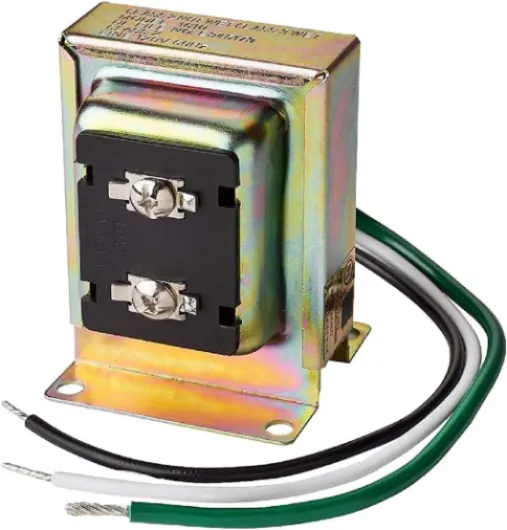
- + Wired installation
- + 16V/10VA output
- + Suitable for various doorbell types
- + Compact design

Safety precautions to keep in mind during installation
Stay Safe When Working With Electrical Components
Before you start any installation or maintenance on your doorbell transformer, safety should be your top priority. Working with household power and electrical wires can be risky if you don’t follow the right steps. Here are some essential precautions to keep in mind:- Turn off the circuit breaker that supplies power to your doorbell system. This is crucial to avoid electric shock. Locate the breaker in your main electrical box and switch it off before you touch any wires or terminals.
- Test for power using a voltage tester. Even after turning off the breaker, double-check that there’s no power running to the wires you’ll be working with. This extra step helps prevent accidents.
- Use insulated tools when handling wires, screws, or terminals. Insulated screwdrivers and pliers add an extra layer of protection against electrical shock.
- Wear safety gear such as gloves and safety glasses. This helps protect you from accidental contact with live wires or debris when you remove the old transformer or install a new one.
- Secure connections with wire nuts or approved connectors. Loose wires can cause shorts or even fires. Make sure all wires are tightly twisted together and capped before restoring power.
- Keep the work area dry. Water and electricity are a dangerous mix. If you’re working near a door or in a basement, make sure the area is free from moisture before starting the installation.
- Mount the transformer securely to a junction box or other approved location. A transformer mounted loosely can lead to wire strain or accidental disconnection.
- Label wires if you need to disconnect multiple wires or terminals. This makes it easier to reconnect everything correctly and avoid confusion during installation.
Troubleshooting common issues after installation
What to Do If Your Doorbell Isn’t Working After Installation
If your doorbell or chime isn’t functioning after you install the transformer, don’t worry—there are a few common issues you can check before calling an electrician. Most problems are related to the transformer, wires, or power supply.- No Power to the Doorbell: Double-check that the circuit breaker is turned on. If you turned off the breaker during installation, make sure you turn power back on. If the breaker trips again, there could be a short circuit in the wiring or a problem with the transformer itself.
- Loose or Disconnected Wires: Inspect all wire connections at the transformer, doorbell button, and chime. Make sure wires are securely fastened under the screw terminals and that wire nuts are tight. Loose wires can prevent the system from working or cause intermittent issues.
- Transformer Not Providing Power: Use a voltage tester or multimeter to check the transformer’s output at the terminals. For most wired doorbells, you should see between 16 and 24 volts AC. If there’s no voltage, the transformer may be faulty or not connected to household power correctly. In that case, you may need to remove the transformer and install a new one.
- Chime Not Ringing: If the doorbell button works but the chime doesn’t ring, check the wiring at the chime box. Make sure the wires connect to the correct terminals (usually marked "front," "trans," and "rear"). If you have a video doorbell, confirm that it’s compatible with your chime and transformer.
- Transformer Overheating: If the transformer gets hot to the touch, disconnect power at the breaker immediately. Overheating can be a sign of an electrical issue, such as crossed wires or an overloaded transformer. Review your installation and wiring to ensure everything matches the manufacturer’s instructions.
Extra Tips for Troubleshooting
- Always turn off the circuit breaker before you touch any wires or terminals.
- If you have three wires at the transformer or chime, make sure you know which wire is for power, which is for the doorbell, and which is for the chime. Incorrect connections can cause the system to malfunction.
- Check that the transformer is securely mounted to the junction box and that all screws are tight.
- For privacy policy concerns or more details about your specific video doorbell model, refer to the manufacturer’s website or included documentation.