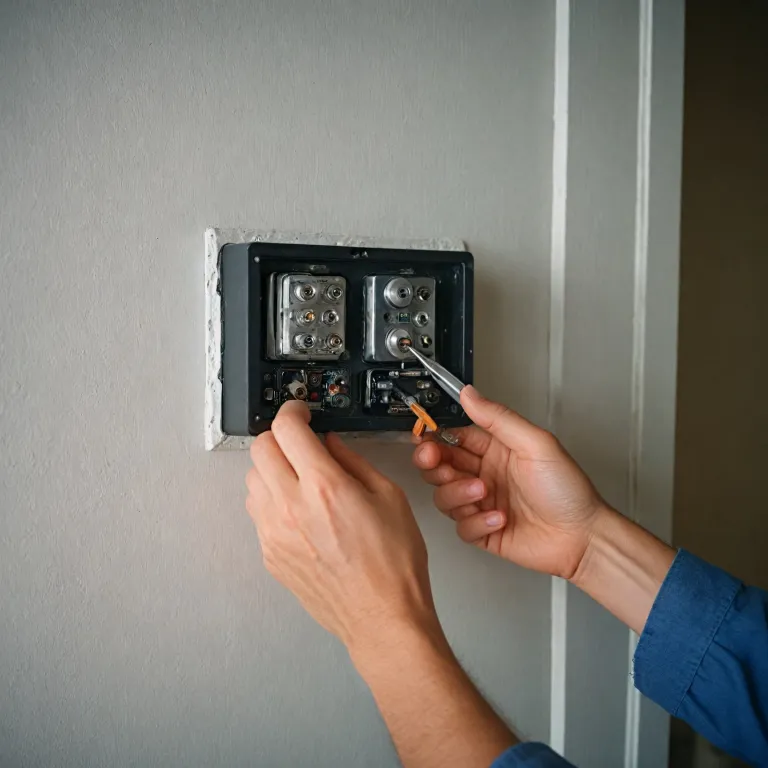

Understanding the role of a low voltage transformer in doorbell systems
Why Your Doorbell Needs a Low Voltage Transformer
When you install a modern camera doorbell, like a Ring, you’ll notice it doesn’t connect directly to your home’s main power. Instead, it relies on a low voltage transformer. This device steps down the high voltage from your electrical system to a safer, lower voltage that your doorbell can handle. Most doorbells operate on 16 to 24 volts, which is much lower than the standard 120 volts found in most outlets. This makes the system safer and helps protect the sensitive electronics inside your doorbell.
How the Transformer Fits Into Your Doorbell Wiring
The transformer is usually installed inside a wall or near your electrical panel. Its job is to convert power from your home’s wiring into the low voltage needed for your doorbell. The transformer connects to your doorbell wires, which then run to the doorbell button and chime. For smart doorbells, like Ring, this setup is essential to ensure a steady power supply and reliable operation. If you’re planning to install a new doorbell or replace an old transformer, understanding the wiring is crucial for safety and performance. For a detailed look at mastering the art of wiring your Ring doorbell, check out this guide.
Key Points to Remember About Doorbell Transformers
- The transformer reduces voltage to a safe level for your doorbell.
- It’s usually installed inside a wall or near your electrical panel.
- Proper wiring ensures your doorbell works reliably and safely.
- Choosing the right type of transformer is important for compatibility with your doorbell model.
Understanding the role of the transformer is the first step before you choose the right one, prepare your tools, or start the installation process. If you’re unsure about wiring or working with electricity, consulting an electrician is always a safe choice.
Choosing the right transformer for your Ring doorbell
Key Factors When Selecting a Transformer
Choosing the right transformer for your Ring doorbell is essential for safe and reliable operation. The transformer acts as the bridge between your home's high-voltage power and the low voltage required by your doorbell system. If you pick the wrong type, your doorbell might not work, or worse, it could be damaged.
- Voltage and Power Requirements: Most Ring doorbells need a transformer that supplies 16-24 volts AC and at least 10 VA (volt-amps). Always check your specific model’s requirements before you buy.
- Compatibility: Not all transformers are compatible with every doorbell. Make sure the transformer you select is designed for smart doorbells and can handle the power needs of devices like camera doorbells.
- Existing Wiring: Inspect your current wiring setup. If your home already has a low voltage transformer installed, check if it meets the voltage and power needs of your new doorbell. If not, you’ll need to replace it.
- Location and Installation: Decide if you want to install the transformer inside the wall or use an external power adapter that plugs into an outlet. Inside wall installation is neater but requires more work and safety precautions.
Understanding Transformer Types
There are a few types of transformers you might encounter:
- Hardwired Transformers: These are installed directly into your home’s electrical system, often inside a wall or electrical box. They’re a common choice for permanent setups.
- Plug-in Power Adapters: These plug into a standard outlet and are easier to install, but may not look as tidy as a transformer hidden inside the wall.
For most homeowners, a hardwired low voltage transformer is the preferred option for a clean, professional look. However, if you’re not comfortable working with electrical wiring, consulting an electrician is a good idea.
Safety and Compliance
When selecting a transformer, make sure it meets local electrical codes and safety standards. Using a certified product helps protect your home and ensures your doorbell will work as intended. If you’re unsure, check the manufacturer’s documentation or ask a professional for advice.
For a deeper dive into how the doorbell button interacts with your transformer and wiring, you can read this comprehensive guide on doorbell buttons.
Preparing for installation: tools and safety precautions
Gathering the Right Tools and Materials
Before you install a low voltage transformer for your doorbell inside a wall, make sure you have all the necessary tools and materials. You will need:
- Low voltage transformer (compatible with your doorbell and voltage requirements)
- Voltage tester or multimeter
- Wire stripper and cutter
- Drill and appropriate drill bits
- Fish tape or wire puller (for routing wires inside the wall)
- Electrical tape and wire nuts
- Screwdriver set
- Mounting hardware (usually included with the transformer)
- Protective gloves and safety glasses
Prioritizing Safety Before You Start
Working with electricity always requires caution. Here are a few safety steps you should never skip:
- Turn off power at the circuit breaker to the area where you will install the transformer. Double-check with a voltage tester to confirm the power is off.
- Never attempt to install a transformer if you are unsure about wiring or electrical codes. If in doubt, consult a licensed electrician.
- Keep your work area dry and free from clutter. Moisture and electricity are a dangerous mix.
- Wear protective gloves and safety glasses to prevent injuries from sharp wires or tools.
Planning the Installation Location
Decide where inside the wall you want to install the transformer. Ideally, it should be near an existing electrical outlet or junction box, but not directly behind the doorbell or camera doorbell. Make sure the location allows for easy access to wiring and complies with local electrical codes.
Check the type of wall you have (drywall, plaster, etc.) and ensure you have the right tools for making a clean opening. If you are installing a new doorbell or upgrading to a smart model, consider future access for maintenance or replacement.
For more details on choosing the best wireless doorbell for your home, including transformer compatibility, check out this comprehensive guide to wireless doorbells.
Step-by-step guide to installing a low voltage transformer inside a wall
Locating the Best Spot for Your Transformer
Before you start, make sure you’ve picked a safe and accessible place inside the wall for your low voltage transformer. It should be near your doorbell wiring and close to a power source, like an outlet, but never inside a bathroom or damp area. Double-check that the spot won’t interfere with insulation or plumbing.
Turning Off Power and Checking Safety
Always turn off the power at the circuit breaker before you begin. Use a voltage tester to confirm there’s no live current where you’ll be working. This step is crucial for your safety and helps avoid damaging your doorbell or transformer.
Running and Connecting the Wires
- Feed the low voltage wires from your doorbell location to the transformer spot inside the wall. If you’re replacing an old transformer, label the wires to avoid confusion.
- Connect the transformer’s low voltage terminals to the doorbell wires. Make sure the connections are tight and secure, using wire nuts or approved connectors.
- Attach the transformer’s primary wires to the power source. If your transformer plugs into an outlet, use a power adapter designed for in-wall use. For hardwired types, connect to the circuit as per the manufacturer’s instructions.
Mounting the Transformer Securely
Install the transformer on a wall stud or electrical box using the mounting bracket provided. The transformer should be firmly attached and not hanging loose inside the wall. This helps prevent vibration and potential wire damage over time.
Testing and Final Steps
- Restore power at the breaker and use a voltage tester to confirm the transformer is supplying the correct low voltage to your doorbell wires.
- Check that your camera doorbell or chime powers up as expected. If it doesn’t, double-check all wiring connections and make sure the transformer is properly installed.
- Replace any wall plates or covers, and tidy up the area to ensure no wires are exposed.
If you’re unsure about any step or the wiring doesn’t match your expectations, don’t hesitate to consult a licensed electrician. Proper installation is key to reliable performance and safety for your doorbell system.
Common challenges and troubleshooting tips
What to Do When Your Doorbell Isn’t Getting Power
If your Ring doorbell isn’t lighting up or responding after you install the transformer inside the wall, start by checking the basics. Confirm the power outlet or circuit feeding the transformer is switched on. Sometimes, a tripped breaker or a loose plug can be the culprit. Next, use a voltage tester to ensure the transformer is outputting the correct low voltage. If there’s no voltage, the transformer may be faulty or not wired correctly.- Double-check all wire connections. Loose or poorly connected wires can interrupt power flow.
- Make sure the wire gauge matches the transformer’s requirements. Too thin wires can cause voltage drop.
- If you used wire nuts, confirm they’re tight and secure.
Addressing Common Wiring Issues
Improper wiring is a frequent challenge. If your doorbell or camera doorbell isn’t working, trace each wire from the transformer to the doorbell unit. Ensure you’ve connected the wires to the correct terminals. For Ring doorbells, polarity usually doesn’t matter, but the wires must be firmly attached. If you’re replacing an old transformer, make sure you’ve fully removed any outdated wiring. Old wires left inside the wall can cause confusion and potential shorts.Handling Overheating or Buzzing Transformers
If your transformer feels hot to the touch or makes a buzzing sound, this could indicate an overload or a wiring issue. Unplug the power adapter or turn off the circuit, then inspect the installation. Make sure you’re not exceeding the transformer’s rated voltage or wattage. Using the wrong type of transformer can also cause these problems.When to Call an Electrician
If you’ve checked the wiring, voltage, and outlet but the doorbell still doesn’t work, or if you’re unsure about working with electrical wiring inside the wall, it’s best to consult a licensed electrician. Safety should always come first, especially when dealing with mains power.Quick Troubleshooting Table
| Problem | Possible Cause | Solution |
|---|---|---|
| Doorbell doesn’t power on | No voltage, loose wires, tripped breaker | Check outlet, wiring, and transformer output |
| Transformer is hot or buzzing | Overload, wrong type, wiring error | Verify transformer specs, wiring, and load |
| Doorbell chime doesn’t ring | Incorrect wiring, incompatible chime | Check wiring diagram, use compatible chime |
| Intermittent power | Loose connections, damaged wires | Tighten connections, replace damaged wires |
Remember, taking the time to carefully install and check your low voltage transformer will help your Ring doorbell work reliably for years. If you run into persistent issues, don’t hesitate to seek professional help to ensure your safety and the longevity of your system.
Maintaining your doorbell transformer for long-term performance
Keeping Your Transformer in Top Shape
Regular maintenance of your doorbell transformer helps ensure your Ring doorbell continues to work reliably. While these devices are generally low-maintenance, a few simple checks can prevent issues and extend the life of your system.- Inspect the wiring: Periodically check the wires connected to your transformer. Look for any signs of wear, corrosion, or loose connections. If you notice exposed wire or damaged insulation, it’s best to address it promptly to avoid voltage drops or safety hazards.
- Monitor for unusual sounds or heat: A transformer installed inside a wall should operate quietly and remain cool to the touch. If you hear buzzing or notice the wall feels unusually warm near the transformer, this could signal a problem with the voltage or wiring. Don’t ignore these signs—shut off power at the outlet or breaker and consult an electrician if needed.
- Test your doorbell regularly: Press the doorbell button and make sure the chime and camera doorbell respond as expected. If the doorbell doesn’t ring or the camera loses power, check the transformer and wiring first before troubleshooting other components.
- Check for power interruptions: If your transformer is plugged into an outlet, make sure the outlet is functioning and not controlled by a wall switch that could accidentally cut power. For hardwired transformers, verify the circuit breaker hasn’t tripped.
- Keep installation documentation: Store any manuals, wiring diagrams, and installation notes in a safe place. This information is helpful if you need to replace or upgrade your transformer in the future, or if you call an electrician for service.
When to Call a Professional
If you encounter persistent issues with your doorbell transformer—such as frequent power loss, flickering light on the doorbell, or signs of overheating—it’s wise to contact a qualified electrician. Working with low voltage wiring inside a wall can be complex, and safety should always come first. A professional can ensure your transformer is installed correctly and meets all electrical codes.Long-Term Tips for Reliable Performance
- Use the correct type of transformer for your Ring doorbell to avoid voltage mismatch.
- Don’t overload the transformer by connecting too many devices.
- Make sure all wiring connections are secure and protected inside the wall.
- Consider labeling the circuit breaker that controls your doorbell transformer for easy access during maintenance.