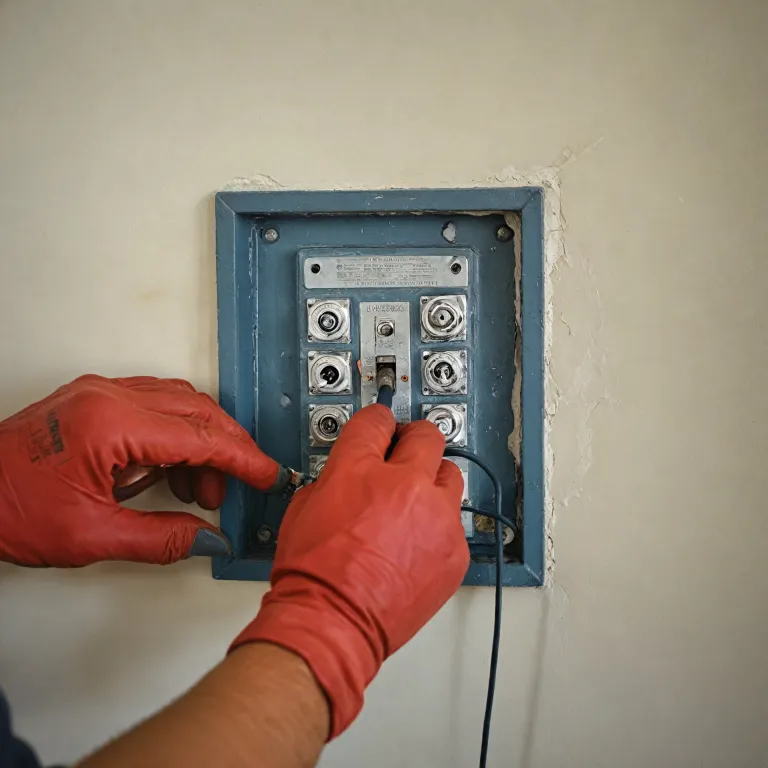
Planning a safe transformer upgrade for a ring doorbell
Adding a transformer for a Ring doorbell to an existing single gang box demands careful planning. You must think about the electrical location, the available power, and how the voltage wiring will interact with your current door bell system. This preparation helps you respect safety rules while keeping the front door installation neat and functional.
When people ask how to add transformer for doorbell to exitisting 1 gang, they often underestimate the complexity of the wiring transformer layout. You are not just sliding a doorbell transformer into a gang box ; you are managing voltage wires, the chime circuit, and the ground wire so that the box transformer remains cool and accessible. Treat the project like a small renovation, not a quick switch replacement, and you will reduce the risk of faults.
Start by identifying the current electrical panel and tracing which breaker feeds the single gang box near the door. Once you know the power source, you can decide whether the transformer mounted in that box is realistic or whether a separate junction box or transformer box near the panel is safer. This early mapping also clarifies where the wire doorbell run enters the wall and how many wires or wire nuts already occupy the space.
For a Ring doorbell, the low voltage side of the doorbell transformer must match the product’s recommended voltage. Many modern button chime units and chime posts expect similar low voltage ranges, but older doorbell wiring may not. Confirming these details before touching any screw or terminals protects both the device and the home’s electrical wiring.
Because there is no dataset of verified expert quotes provided, there are no trustful_expert_quotes to include verbatim in this article. In a real installation scenario, however, a licensed electrician’s written guidance would serve as the most authoritative quote. Always prioritize such professional advice over informal posts or replies in online forums.
Assessing the existing single gang box and wiring constraints
The heart of how to add transformer for doorbell to exitisting 1 gang lies in understanding the box itself. A single gang box has limited volume, and every wire, wire nut, and device inside counts toward a strict capacity. When you add a doorbell transformer or box transformer, you increase both heat and crowding, which can breach safety codes.
Begin by removing the switch or outlet cover and gently pulling the device forward to inspect the wiring. Count the voltage wires, including each hot wire, neutral wire, and ground wire, and note how many wire nuts already join conductors. If the gang box is already packed with electrical wiring, a transformer mounted directly inside may be unsafe or impossible.
Many homeowners hope to feed the Ring doorbell from an existing light switch near the front door. This can work when the electrical location has a neutral wire present, enough depth, and a clear path for low voltage wiring to exit toward the door. However, if the switch box only has a switch loop without neutral, you cannot safely power a doorbell transformer from that gang.
Check whether the box is plastic or metal, because that affects how you attach the transformer box or junction box extension. Metal boxes often allow a transformer mounted with a screw through a knockout, while plastic boxes may require an external transformer box connected with proper fittings. In both cases, ensure the doorbell transformer’s high voltage terminals and low voltage terminals remain accessible for future maintenance.
At this stage, many people post questions online as a new thread starter, asking whether their wiring transformer plan is acceptable. While community replies can highlight common mistakes, they cannot see your exact voltage wiring or box fill. When in doubt, have a qualified electrical member of a professional trade body inspect the installation before you proceed.
Choosing the right transformer and understanding voltage requirements
Before you physically address how to add transformer for doorbell to exitisting 1 gang, you must choose the correct transformer. The Ring doorbell and similar smart door bell models typically require a specific low voltage range and minimum power rating. Selecting a doorbell transformer outside these specifications can cause unreliable chime performance or even damage.
Read the Ring doorbell documentation to confirm the recommended voltage and VA rating for the transformer. Match this to a transformer mounted either in a junction box near the electrical panel or in a transformer box associated with the single gang location. Remember that the high voltage wires on the primary side must match your mains voltage, while the low voltage wires on the secondary side feed the button chime and chime posts.
When you wire doorbell circuits, keep the low voltage wiring physically separated from mains conductors wherever possible. Inside a gang box, this often means routing the low voltage wires through a dedicated opening and keeping them away from the outlet or switch terminals. Use appropriate wire nuts only on mains conductors, and never mix low voltage and mains under the same wire nut.
Some transformers are designed as box transformer units that screw directly into a knockout on a metal junction box. Others are compact doorbell transformer modules that sit partly outside the gang box, with only the voltage wires entering through a clamp. In either case, ensure that the transformer mounted position allows heat to dissipate and does not press tightly against other wiring.
For homes with multiple doors, you may run separate low voltage wiring from the transformer box to each front door or side door button chime. Plan the wiring transformer capacity so that the total load of all doorbell chimes remains within the transformer rating. This foresight avoids weak chime sounds and prevents overheating of the transformer over time.
Step by step wiring process for a ring doorbell transformer
Once you have a suitable transformer, you can address how to add transformer for doorbell to exitisting 1 gang in a structured way. First, turn off the power at the electrical panel and verify that the switch or outlet in the single gang box is dead. Only then should you loosen the screw on the cover plate and gently pull the device forward to expose the wiring.
Identify the hot wire, neutral wire, and ground wire feeding the box, using a tester if necessary. The transformer’s primary voltage wires connect to the same circuit, usually with short pigtails joined under wire nuts to the existing conductors. Attach the transformer’s ground wire to the box or grounding bundle so that the transformer mounted assembly is safely earthed.
Next, route the low voltage wiring from the transformer box toward the front door, keeping it separate from mains conductors. Drill discreet holes as needed, and label each low voltage wire at both ends to simplify connecting the button chime and chime posts. At the Ring doorbell location, leave enough slack so that you can easily attach the low voltage wires to the device terminals.
Inside the gang box, keep the low voltage wires away from the outlet or switch terminals and tuck them neatly. If space is tight, consider adding an adjacent junction box or gang box extension to maintain safe box fill while still hosting the doorbell transformer. Secure all wire nuts firmly, check that no bare copper shows, and tighten every screw on the devices before reinstalling the cover.
After restoring power at the electrical panel, test the Ring doorbell, the chime, and any interior button chime units. If the door bell does not ring or the chime is weak, recheck the voltage wiring at the transformer box and at the device terminals. Many issues trace back to loose wires, reversed terminals, or an undersized transformer that cannot supply enough power.
Integrating ring doorbells with interior security and existing chimes
Modern homeowners rarely stop at simply learning how to add transformer for doorbell to exitisting 1 gang ; they also want integrated security. A correctly sized doorbell transformer and tidy wiring transformer layout allow the Ring doorbell to work seamlessly with interior chimes and smart alerts. This integration turns a basic front door button chime into part of a broader safety system.
When you wire doorbell circuits for Ring, you often retain the existing mechanical chime while adding smart notifications. The low voltage wires from the transformer box feed both the chime and the Ring doorbell, with each device connected to the appropriate terminals. Ensure that the chime posts inside the chime housing match the manufacturer’s diagram, especially when mixing old door bell hardware with new electronics.
For deeper home protection, some people pair their Ring doorbell with interior security doors and other access controls. A useful reference on enhancing home safety with interior security doors and Ring doorbells is available at this detailed guide on interior security doors and Ring systems. In such setups, the transformer mounted near the electrical panel may power multiple low voltage devices, so confirm that the total power draw remains within the transformer rating.
Pay attention to the physical location of each gang box and junction box so that maintenance remains straightforward. Label the transformer box, the electrical panel breaker, and even the low voltage wiring runs to each front door or side door. Clear labeling helps any future electrical member of a maintenance team quickly understand how the voltage wiring and doorbell transformer are arranged.
Online forums often show a thread starter asking whether their box transformer plan will support multiple Ring doorbells and chimes. The replies usually stress the importance of correct voltage, adequate power, and safe box fill in every single gang or gang box. Following these principles keeps your system reliable while preserving the elegant appearance of your switches, outlets, and doorbell hardware.
Troubleshooting, safety checks, and when to call a professional
Even after carefully following how to add transformer for doorbell to exitisting 1 gang, problems can arise. A silent chime, a hot transformer box, or flickering lights near the gang box all signal potential wiring transformer issues. Addressing these symptoms quickly protects both the Ring doorbell and the home’s electrical system.
If the door bell does not ring, start by checking the low voltage wires at the Ring doorbell terminals. Confirm that each wire is firmly under its screw, that no ground wire is touching a signal terminal, and that the button chime or interior chime posts are correctly wired. Use a meter to verify that the doorbell transformer is delivering the expected low voltage at the transformer mounted location.
Overheating is another concern, especially when a box transformer is crammed into a small single gang box. If the cover plate feels warm, switch off power at the electrical panel and inspect the voltage wires, wire nuts, and overall box fill. You may need to relocate the transformer to a dedicated junction box or transformer box with more space for safe voltage wiring.
Persistent issues such as tripping breakers, buzzing from the gang box, or damaged insulation on voltage wires warrant professional help. A licensed electrician can evaluate whether the existing outlet or switch circuit is appropriate for the added load of the doorbell transformer. They can also ensure that every wire nut, screw, and ground wire connection meets current electrical standards.
Ultimately, while many homeowners can safely wire doorbell systems, there are limits to DIY work. When the layout involves multiple gang boxes, complex wiring transformer paths, or uncertain posts and replies from online forums, professional guidance becomes essential. Respecting those limits keeps your Ring doorbell reliable and your home’s electrical infrastructure secure.
Frequently asked questions about adding a transformer to a single gang box
Can I place a doorbell transformer inside any existing single gang box ?
You can only place a doorbell transformer in a single gang box if the box has sufficient volume, a neutral wire, and safe separation between mains and low voltage wiring. Overfilled boxes with many wires and wire nuts are unsuitable for a transformer mounted installation. When in doubt, use a dedicated junction box or transformer box instead.
Do I need a neutral wire to power a doorbell transformer from a switch box ?
Yes, a neutral wire is normally required to power the primary side of a doorbell transformer from a switch box. Older switch loops that only bring hot wires to the gang box cannot safely supply the transformer. In such cases, relocate the transformer to a junction box with a full hot, neutral, and ground wire set.
How do I route low voltage wiring from the transformer to the front door ?
Route the low voltage wiring through walls or ceilings, keeping it separate from mains conductors wherever possible. Use appropriate cable clips or conduits, and avoid running low voltage wires tightly alongside high voltage wiring. Label both ends of each wire so that connecting the Ring doorbell and chime posts remains straightforward.
Can one transformer power multiple Ring doorbells and chimes ?
One correctly sized transformer can power multiple Ring doorbells and chimes if its VA rating matches the combined load. Calculate the total demand of all devices before finalizing the wiring transformer layout. If the load is too high, install a second doorbell transformer on a separate circuit.
When should I call an electrician for a doorbell transformer project ?
You should call an electrician if the wiring in the gang box is confusing, if there is no neutral wire, or if breakers trip after installation. A professional can verify that the electrical panel, junction box, and transformer box all meet current standards. Their expertise ensures that every screw, wire nut, and ground wire connection is safe and compliant.