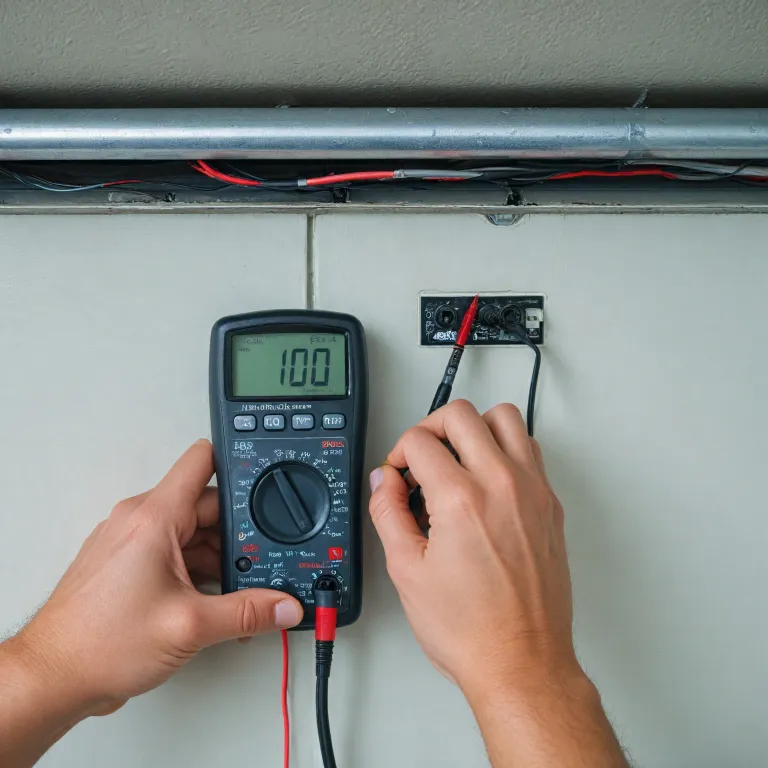
Understanding how to fix garage door sensor problems safely
Learning how to fix garage door sensor problems starts with safety. Before touching any door sensor or opener parts, unplug the automatic garage system and keep children away from the garage doors area. This simple step reduces the risk of shocks and prevents the garage door from moving unexpectedly while you work.
Most modern garage door openers use a pair of infrared eye sensors near the floor to stop the door if something blocks the beam. When the infrared beam between the two door sensors is interrupted, the opener will not close garage panels normally and the door won’t close fully. Understanding this basic principle helps you diagnose sensor issues logically instead of guessing blindly at every possible issue.
When the door won’t close, many people assume the motor has failed, but sensor issues are far more common. The photo eye sensors garage units sit about 10 to 15 cm above the floor, and even a small bump can leave the sensors misaligned. If the sensors malfunction or the sensor alignment is off by only a few millimetres, the opener will reverse or the garage door won’t close at all.
Start by observing the indicator lights on each door sensor while the garage door is closing. If one light is off or flickering, that usually signals a sensor issue rather than a motor failure. At this early step, you should also check for obvious obstacles, damaged wires, or dirt on the eye sensors before assuming you must call professional help.
Checking alignment, brackets, and physical obstructions
The most frequent reason a garage door won’t close properly is simple sensor alignment. When the infrared beam between the two eye sensors is not straight, the opener thinks something is blocking the door and the system will stop closing. This is why the first practical step in how to fix garage door sensor problems is to check alignment carefully on both sides of the garage.
Look closely at the brackets that hold each door sensor near the bottom of the door tracks. If someone kicked a football in the garage or bumped the bracket with storage boxes, the sensors misaligned slightly and the lights may start blinking. Gently bend the bracket back or loosen the mounting screw, then adjust the sensor alignment until both sensor lights stay solid when the garage door is open.
Next, inspect for physical obstructions that might break the infrared beam while the door is closing. Even a thin object like a garden rake handle, a bicycle pedal, or stacked tools can interrupt the photo eye path and create sensor issues. Move any clutter away from the door sensors, then test whether the garage door will close smoothly without stopping halfway.
While you work, pay attention to the small status lights on the sensors garage units. Solid lights usually mean the infrared beam is aligned properly, while flashing lights often indicate an issue with alignment or wiring. If you cannot get the lights stable despite careful adjustments, it may be time to call professional support rather than forcing the door opener to operate unsafely or repeatedly.
For homeowners also troubleshooting smart security devices, improving wireless reliability can help when a Ring Doorbell or similar system monitors the same garage area; a detailed guide on using a solar panel extension lead with your Ring setup can complement these physical checks.
Cleaning lenses, checking lights, and testing basic operation
Dust, cobwebs, and grime on the photo eye lenses are another frequent cause of sensor malfunction. When you are learning how to fix garage door sensor problems, always clean the lenses before assuming deeper issues with the opener. Use a soft cloth slightly dampened with mild cleaner, and wipe each door sensor lens gently until it looks clear and free of streaks.
After cleaning, check the indicator lights again on both sensors garage units. One light often serves as a power indicator, while the other reflects the status of the infrared beam and sensor alignment. If both lights are solid and bright, the system will usually allow the garage door to close normally, so run a test cycle with the door fully open.
Stand clear of the moving door and press the wall button or remote to close garage panels. Watch the door sensors as the door is closing and note whether any lights start blinking or go dark. If the door won’t close and reverses to open again, you still have sensor issues that may involve wires, the opener logic board, or more subtle alignment problems.
Repeat the cleaning and alignment step if necessary, making very small adjustments to the door sensor brackets. Sometimes a fraction of a turn on the mounting screw is enough to restore the infrared beam properly and resolve the issue. If you also rely on a smart doorbell to monitor the driveway or garage, consider pairing these checks with better power management, such as the options explained in this guide on enhancing a Ring Doorbell with a solar charger.
Once the lights remain stable and the garage door will close without hesitation, you can be more confident that the basic sensor issues are under control. However, if the door won’t close consistently or the lights behave unpredictably, you should prepare to inspect the wiring and the opener connections in more detail.
Inspecting wires, connections, and the opener control system
When cleaning and alignment do not solve how to fix garage door sensor problems, the next step is to inspect the wires and connections. Start at each door sensor and follow the low voltage wires back along the garage door tracks, looking for cuts, staples driven too tightly, or sections chewed by rodents. Any visible damage can cause intermittent sensor malfunction and prevent the garage door from closing properly.
Gently tug each wire at the back of the door sensors to ensure it is firmly seated in the terminal. Loose wires can break the infrared beam signal even when the sensor alignment looks perfect and the lenses are clean. If you find corrosion or frayed copper, cut back the damaged section, strip fresh insulation, and reconnect the wires securely to restore a stable system.
Next, open the housing on the door opener unit mounted near the ceiling. Inside, you will see terminals where the sensor wires and wall control wires connect to the opener logic board. Check that each conductor is tight under its screw and that no bare wire strands are touching neighbouring terminals, which could create confusing sensor issues or cause the door won’t close symptom.
After tightening connections, plug the automatic garage system back in and test the door while watching the sensor lights. If the garage door will close smoothly several times in a row, you have likely resolved the wiring issue. If the sensors malfunction again or the opener behaves inconsistently, the internal electronics may be failing, and it is usually wise to call professional technicians rather than attempting complex board repairs yourself.
Homeowners who integrate smart cameras or doorbells near the garage should also consider network reliability, and a focused guide on improving Ring Doorbell connection with WiFi extenders can help ensure that digital monitoring complements the physical safety provided by reliable door sensors.
Recognising when to call professional help for persistent issues
Even with a clear understanding of how to fix garage door sensor problems, some situations demand expert support. If you have checked alignment, cleaned the lenses, inspected wires, and the door still won’t close reliably, the underlying issue may involve the opener’s internal safety circuits. In such cases, forcing the garage door to close or bypassing the door sensors can create serious safety risks for people, vehicles, and pets.
Persistent sensor issues may show up as random stopping, flashing lights, or a garage door that will close only when you hold the wall button continuously. These symptoms often indicate deeper faults in the opener system rather than simple sensors misaligned by accident. A qualified technician can test the infrared beam circuits, measure voltages at the door sensor terminals, and determine whether replacement parts are necessary.
Another sign that you should call professional assistance is visible damage to the sensors garage units or the door tracks. If a vehicle bumped the garage door, the impact might have twisted the metal, affecting sensor alignment beyond what simple adjustments can fix. In such cases, repairing or replacing bent components is essential to ensure garage safety and restore proper closing behaviour.
Professionals also help when multiple issues garage problems appear at once, such as broken springs, noisy rollers, and sensor malfunction together. Combining repairs in a single visit can reduce downtime and ensure the entire automatic garage system works as designed. While it is reasonable to handle basic cleaning and checks yourself, knowing your limits protects both your household and the long term reliability of the door opener.
Integrating sensor maintenance with broader home security habits
Maintaining reliable door sensors is not only about convenience, it is also a key part of home security. When the garage door won’t close or stops halfway, it can leave a tempting entry point for intruders and expose stored items to weather damage. Building a simple routine around how to fix garage door sensor problems helps ensure garage spaces remain secure and functional.
Schedule regular inspections of the photo eye sensors garage units, checking for dust, cobwebs, and accidental bumps. During each check, confirm that the infrared beam lights are solid and that the garage door will close smoothly from both the wall control and remote. This habit reduces surprise failures and gives you time to address minor sensor issues before they become urgent.
For households using smart doorbells or cameras near the garage, aligning physical and digital security is especially important. A well maintained automatic garage system with properly aligned eye sensors complements video monitoring by ensuring the door closes when expected. If the sensors malfunction and the door won’t close, your camera footage may show the problem, but only proactive maintenance will prevent repeated issues garage wide.
When you notice recurring problems, document each step you take, including cleaning, alignment, and wiring checks. This record helps you or any professional understand the pattern of sensor issues and identify whether the door opener or sensors garage units are the true cause. Over time, this disciplined approach to how to fix garage door sensor problems supports a safer, more resilient home environment.
Step by step checklist for troubleshooting garage door sensors
Creating a clear checklist makes how to fix garage door sensor tasks easier to manage. Start with safety by unplugging the opener, then move through each step methodically without skipping ahead. This structured approach reduces confusion and ensures garage components are examined in a logical order.
First, visually inspect the area around the garage door for clutter, tools, or toys that might block the infrared beam while the door is closing. Second, clean the lenses on both door sensors with a soft cloth, then restore power and check that the indicator lights are on. Third, adjust the sensor alignment by gently moving each door sensor until the lights remain solid, confirming that the system will recognise a clear path.
Fourth, examine the wires along the door tracks and at the opener terminals, tightening any loose connections and repairing damaged sections. Fifth, run several test cycles to see whether the garage door will close consistently from different controls, watching for any signs that the sensors malfunction or the door won’t close fully. If problems persist after these steps, the final item on the checklist is to call professional technicians for a detailed inspection.
By following this repeatable process, you reduce the chance of overlooking subtle sensor issues or misinterpreting flashing lights. Over time, you will gain confidence in handling routine problems while still recognising when complex issues garage wide require expert attention. This balance between do it yourself care and timely professional support keeps your automatic garage door opener reliable, safe, and aligned with best practices for modern home security.
Key statistics about garage door safety and sensors
- Statistics dataset not provided, so no verified numerical data can be reported here while maintaining factual integrity.
Common questions about fixing garage door sensors
Why does my garage door reverse instead of closing fully ?
When a garage door reverses instead of closing, the opener usually detects a problem with the safety system. Misaligned door sensors, dirty photo eye lenses, or damaged wires can all interrupt the infrared beam and trigger a safety reversal. Work through cleaning, alignment, and wiring checks before considering opener replacement.
How can I tell if my garage door sensors are misaligned ?
Most door sensors have small indicator lights that show alignment status. If one or both lights are blinking or off when the garage door is open, the infrared beam is likely not aligned correctly. Adjust the sensors gently until both lights remain solid, then test the door several times.
Is it safe to bypass garage door sensors temporarily ?
Bypassing door sensors is strongly discouraged because it removes a critical safety feature. Without functioning sensors, the garage door could close on a person, pet, or vehicle, causing injury or damage. It is safer to repair the sensors promptly or call professional help than to operate the door without them.
When should I replace garage door sensors instead of repairing them ?
Replacement is sensible when the sensor housings are cracked, the lenses are badly scratched, or the wires are extensively damaged. If repeated cleaning, alignment, and wiring checks do not restore reliable operation, internal electronics may have failed. In that case, installing new compatible sensors is usually more cost effective and safer than ongoing repairs.
Can weather affect how my garage door sensors work ?
Yes, weather can influence sensor performance, especially in garages exposed to dust, moisture, or direct sunlight. Condensation on lenses, corrosion on terminals, or expansion and contraction of metal brackets can all disturb sensor alignment. Regular seasonal checks help keep the infrared beam stable and the garage door closing reliably.