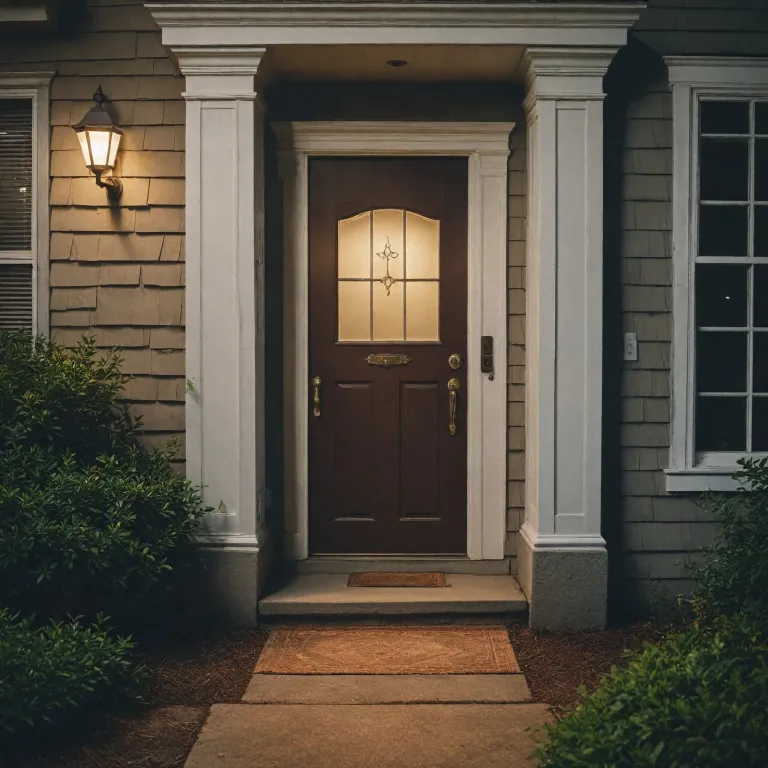
Why window lock choices matter for a ring doorbell user
A ring doorbell often protects the front door, but every window remains a potential weak point. When a window lock is poorly chosen, intruders can bypass cameras by targeting windows and sliding door panels instead of the main entrance. A coherent plan for window locks, doors, and sensors therefore becomes essential for real window security.
Start by mapping each window and door as a separate item in your home security plan. Note whether it is a sliding window, a casement window, or part of double hung windows, because each style needs a different type of lock and handle. This simple audit helps you add the right window locking hardware and avoid random purchases that leave screw holes unused and security gaps open.
Pay attention to frame materials, because aluminum windows, PVC frames, and wooden hung windows respond differently to pressure and drilling. A sash lock on a timber frame may hold well, while the same style on thin aluminum can flex and fail under force. Matching the correct window latch or place lock to the frame material is as important as choosing the right door lock for a reinforced door.
Colour and finish also influence behaviour, not just aesthetics, especially when you choose a white lock or white bar that blends into white windows. Discreet white window locks can reduce tampering, because they are less obvious from outside and harder to target quickly. At the same time, a visible locking handle on a patio door can act as a deterrent when combined with a clearly visible ring doorbell camera.
Coordinating window locks with smart alerts and door sensors
Ring doorbell notifications lose value if windows and a sliding door remain unsecured or easy to force. A robust window lock on each accessible window ensures that motion alerts correspond to real barriers, not symbolic ones. When a locking handle and a door lock are correctly installed, the system turns from passive monitoring into active prevention.
Think of each lock, bar, and latch as a physical backup to digital alerts. A cam style sash lock on a casement window, combined with a secondary place lock on the frame, slows intruders long enough for ring doorbell alerts to reach your phone. On a sliding window or patio door, adding a telescopic bar alongside existing window locks can prevent the panel from being lifted off its track.
Many people focus on the front door and forget side windows near the driveway or garden gate. These windows often have simple handle screws and shallow screw holes that were designed for convenience rather than window security. Replacing these with reinforced window locking hardware and deeper screws can dramatically increase resistance without changing the appearance of the windows.
For homes that already use smart sensors, pairing mechanical locks with connected devices brings extra value. A guide on using Z-Wave door sensors with perimeter protection shows how contact sensors on a patio door or sliding door can complement a strong window lock. When a sensor reports that a window or door is open while the system is armed, you know immediately that a lock, latch, or bar has been defeated or left unused.
Choosing the right window lock for each frame and opening style
Different windows require different window lock designs, and this is where many ring doorbell owners make mistakes. A sliding window needs locks that resist both horizontal sliding and vertical lifting, while hung windows benefit from sash lock mechanisms that clamp the upper and lower sashes together. Casement windows, which swing outward or inward, rely heavily on a strong locking handle and secure handle screw placement.
On a casement window, check whether the hand casement orientation is left hand or right hand before ordering new hardware. A locking handle that does not match the hand casement direction may not close fully, leaving gaps that weaken window security. When you add new window locks, always verify that the cam engages firmly with the strike plate and that the screw holes are not stripped.
Sliding windows and patio doors often sit in aluminum tracks that can flex under force. In these cases, combining a primary window latch with a secondary bar or place lock can distribute pressure and keep the panel from jumping the track. Many modern white locks for sliding windows are designed for easy install, using predrilled screw holes and adjustable cams to fit different frame depths.
Double hung windows and other hung windows usually benefit from two layers of protection. The first is the standard sash lock at the meeting rail, and the second can be a discreet bar or auxiliary window lock placed higher up to prevent the window from opening beyond a safe ventilation gap. When these items are colour matched in white to the existing windows, they maintain a clean look while quietly reinforcing every potential entry point.
For households that also manage heating and energy, a detailed review of an integrated comfort and security bundle such as the Ecobee total security and savings ecosystem illustrates how physical window locks and smart thermostats can work together. When windows stay properly locked, climate control systems operate more efficiently and security sensors report fewer false alarms. This synergy supports both safety and lower energy bills.
Installation details that determine real window security performance
Even the best window lock fails if the installation is careless or incomplete. Before you add any new window locks, inspect the frame for cracks, old screw holes, and soft spots where screws no longer grip firmly. Filling damaged holes and drilling fresh pilot holes in solid material ensures that each handle screw and cam mechanism can withstand leverage.
Measure carefully when positioning a locking handle on a casement window or patio door. Misaligned screw holes can twist the handle, causing the cam to engage only partially and leaving the window or door less secure than before. For sliding windows, ensure that the lock body sits flush against the sash so that the bar or latch cannot be pried away with a simple tool.
Many homeowners appreciate an easy install process, but speed should never replace precision. Use the correct drill bit size for aluminum or timber, and tighten each screw gradually to avoid stripping the threads. When working with white locks on white windows, mark positions lightly with pencil so that adjustments remain possible before final tightening.
After installation, test every item in realistic conditions, including attempts to lift, slide, and flex the window or sliding door. Check that the sash lock on hung windows engages fully and that any secondary bar or place lock cannot be bypassed from outside. A short routine of seasonal checks, especially before extreme weather, keeps window locking performance consistent and aligned with the reliability expected from a ring doorbell system.
Integrating window locks with the wider smart home ecosystem
Physical window locks and digital devices should work together as a single security narrative. A ring doorbell at the front door, combined with robust window locks and a strong door lock on the patio door, creates multiple layers that deter both opportunistic and determined intruders. When each window and door is treated as a critical item, the entire perimeter becomes more resilient.
Smart home enthusiasts often connect cameras, sensors, and alarms through hubs or bridges. A detailed guide on enhancing your smart home with Homebridge and Ring integration shows how to centralise alerts from ring doorbell devices and other components. When you know which window or sliding door is open at a glance, you can quickly verify whether a window lock, window latch, or bar has been engaged.
Mechanical details still matter in this connected context. A left hand casement window with a poorly aligned locking handle can trigger repeated open alerts, undermining trust in the system. By contrast, a correctly installed cam lock with solid handle screws and deep screw holes supports accurate sensor readings and reduces false alarms.
Colour coordination and discretion also play a role in user behaviour and compliance. People are more likely to use window locks consistently when the hardware matches existing white windows or aluminum frames and feels easy to operate. When every lock, bar, and latch is intuitive, the smart home ecosystem benefits from a reliable physical foundation that complements digital intelligence.
Prioritising upgrades and maintenance for long term protection
For many ring doorbell owners, budget and time constraints mean that not every window lock can be replaced at once. Start by prioritising ground floor windows, patio doors, and any sliding door that is hidden from street view yet close to fences or trees. These locations often attract intruders who want to avoid the field of view of the ring doorbell camera.
Next, evaluate the condition of existing window locks and latches on hung windows and double hung windows. Look for corrosion on aluminum components, loose handle screws, and worn cams that no longer pull the sash tightly against the frame. Replacing a few critical items, such as a weak sash lock or a flimsy place lock, can significantly raise the effort required to force entry.
Maintenance should include cleaning tracks on sliding windows and patio doors, because dirt and debris can prevent locks and bars from seating correctly. Lubricate moving parts sparingly, avoiding excess oil that might stain white locks or attract dust. Periodic checks ensure that each window latch, locking handle, and bar still aligns with the strike plate and that screw holes remain tight.
Finally, review your overall window security strategy at least once a year, aligning it with any changes in your smart home setup. If you add new sensors, cameras, or automation routines, verify that physical locks on every window and door support these digital upgrades. This disciplined approach keeps your ring doorbell system credible, authoritative, and trustworthy as the visible centrepiece of a much broader security envelope.
Questions people also ask about window locks and ring doorbell
No dataset was provided, so faq_people_also_ask entries could not be included or expanded.
Trusted references for further reading :
1. National crime prevention council
2. European home security hardware association
3. Consumer safety and standards authority