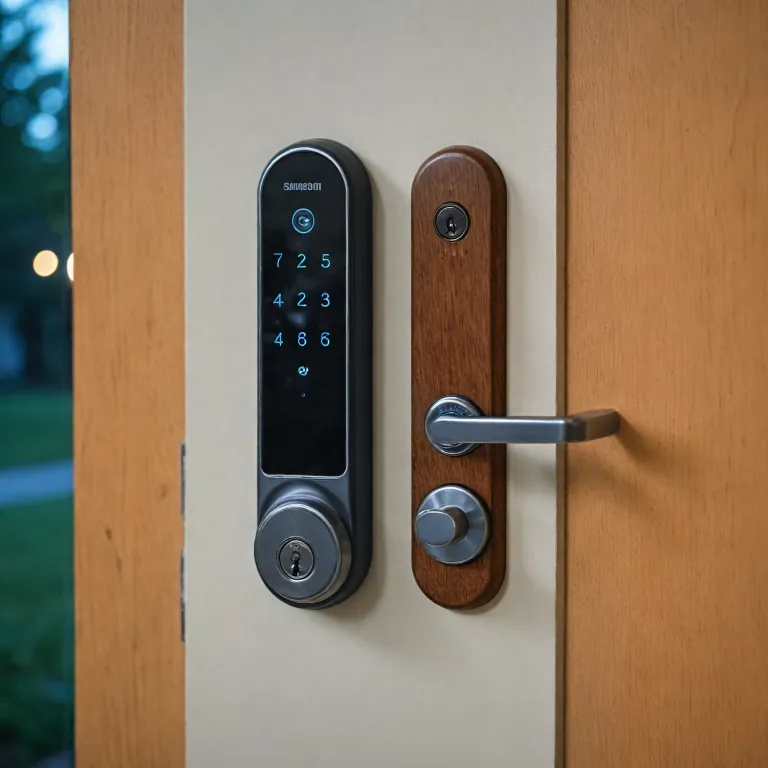

From ring doorbell to ring door lock at the front door
The rise of the ring doorbell has changed how people watch their front door. As more households add a smart door lock to that same entrance, the combination of video, audio, and electronic access control creates a new layer of security that feels both simple and powerful. A ring door lock turns a familiar deadbolt into a connected product that works with your existing smart ecosystem.
Most buyers start by comparing a traditional lock with a keyless smart lock that works with a ring door. They quickly notice how a smart deadbolt can be locked or unlocked from an app, how a keypad removes the need for spare keys, and how fingerprint readers promise faster entry for families. When a ring door lock is paired with a ring alarm and a ring door device, the front door becomes the central point for monitoring who comes and goes.
Brands such as schlage, kwikset, and yale assure users that their smart locks are built on decades of mechanical experience. A schlage encode or schlage connect model adds Wi Fi or Z Wave connectivity, while a kwikset smartcode series focuses on flexible keypad access and rekeying options. Many of these smart locks are sold in satin nickel finishes that match popular ring doorbell designs, helping the entire front door look cohesive rather than cluttered.
On major marketplaces such as amazon, shoppers can filter by price, finish, and whether the smart lock works ring devices out of the box. They will see product pages that highlight alexa works compatibility, app control features, and whether the lock supports control keyless entry codes. When they finally click add cart, they are often choosing not just a lock but a broader security strategy for their home.
Keyless entry, smart locks, and how they work with ring
A keyless ring door lock relies on electronic components instead of a simple mechanical key. Inside the housing, a motor turns the deadbolt when it receives a valid command from the keypad, app, or fingerprint sensor, and the lock then reports its status back to the smart home system. This two way communication is what allows a ring alarm or ring door device to show whether the front door is locked at any moment.
When a smart lock works ring, it usually connects through a bridge, hub, or direct Wi Fi link. For example, a schlage encode smart Wi Fi deadbolt can talk directly to the internet, while a schlage connect lock may rely on Z Wave through a compatible base station. A yale assure or assure lock model often uses a plug in module to support different protocols, which lets the same product adapt to various ecosystems.
Homeowners often compare kwikset smartcode locks with yale assure and schlage encode options before they add cart on amazon. They weigh the price of each smart deadbolt, the look of the satin nickel or bronze finish, and whether the keypad feels intuitive for guests. Some users prefer fingerprint enabled smart locks, while others trust a simple keypad and app control for their front door.
Energy conscious buyers sometimes bundle their ring door lock with other connected devices in a single ecosystem. A detailed review of an integrated comfort and security bundle, such as an ecosystem for comfort, security, and lower bills, shows how a lock can be just one part of a broader smart home plan. For small business owners, the same principles apply when they use smart locks on office doors to track access and reduce the risk of lost keys.
Balancing electronic security, privacy, and physical resilience
A ring door lock adds electronic security features, but it still depends on a strong mechanical deadbolt. The quality of the lock body, the strike plate, and the screws that anchor everything into the door frame all influence how well the product resists forced entry. Schlage, kwikset, and yale assure models often publish their security grades, which can help buyers compare locks beyond just app features.
Smart locks that work ring must also handle digital threats, including unauthorized access through the network. Manufacturers typically encrypt communication between the lock, the app, and any hubs, while encouraging users to set strong passwords and enable multi factor authentication. When alexa works with a ring door lock, voice profiles and confirmation prompts can reduce the risk of someone shouting commands through an open window.
Privacy concerns arise whenever a door lock connects to the internet and an app. Activity logs that show when the front door was locked or unlocked can be helpful for families, but they also create data that must be stored securely. Responsible use means reviewing app permissions, checking which third party services have access, and regularly updating firmware on smart locks and ring alarm devices.
For garages and side entrances, some households extend the same smart lock logic to other access points. A detailed guide on how a ring garage door opener transforms smart garage security and control shows how layered protection can work in practice. When every critical door, from the front door to the garage, uses coordinated smart locks and sensors, the overall security posture becomes more robust.
Everyday usability, app control, and family access management
For many households, the real test of a ring door lock is not a lab attack but daily life. Parents want children to enter the front door without losing keys, while guests need temporary codes that expire after a visit. A smart lock with a keypad, app control, and sometimes fingerprint support can satisfy these needs while keeping the system manageable.
Within the app, users can create multiple access codes for different people and times. A yale assure or assure lock model might allow dozens of codes, while a kwikset smartcode or schlage encode lock offers similar flexibility with clear labeling. When the lock works ring, these codes can be monitored alongside ring alarm events and ring door notifications, giving a unified view of who used the door and when.
Voice assistants add another layer of convenience, especially when alexa works with the smart lock and ring doorbell. A well configured routine can lock the front door, arm the ring alarm, and turn off lights with a single phrase. Guides on how to connect ring devices to Alexa for seamless control help users avoid misconfigurations that might otherwise weaken security.
Small business owners often adapt these same features for offices or rental properties. They use smart locks and door locks with keyless entry to grant cleaners, contractors, or short term tenants time limited access without handing over physical keys. In these scenarios, the combination of electronic logs, app alerts, and a robust deadbolt can provide both accountability and flexibility.
Comparing brands, finishes, and price points for ring compatible locks
When evaluating which ring door lock to buy, shoppers quickly encounter a crowded field of brands and models. Schlage encode, schlage connect, yale assure, assure lock, and kwikset smartcode products all compete for attention with slightly different strengths. The decision often comes down to how each smart deadbolt balances price, design, and integration with ring alarm and ring door devices.
Schlage encode locks appeal to users who want direct Wi Fi connectivity without an extra hub. These smart locks often come in satin nickel finishes that match popular front door hardware and ring doorbells, while offering robust keypad options and strong mechanical ratings. Schlage connect models, by contrast, focus on Z Wave or Zigbee integration for those who already own a compatible base station.
Yale assure and assure lock products emphasize modularity, allowing buyers to swap communication modules as their smart home evolves. This flexibility can be attractive for people who might change platforms but still want their door locks to work ring systems through a bridge or partner integration. Kwikset smartcode locks, meanwhile, highlight rekeying technology and accessible price points, making them appealing for budget conscious households and small business owners.
Across all these brands, the choice of finish and style matters as much as the electronics. Satin nickel remains a favorite for modern front doors, but bronze and black finishes can better suit traditional façades. Whatever the final selection, buyers should confirm that the smart lock explicitly works ring devices, supports control keyless features, and offers app control that fits their daily routines.
Buying, installing, and maintaining a ring door lock over time
Once a buyer has compared brands and features, the final steps involve purchase, installation, and long term care. On amazon and other retailers, clear product descriptions should state whether the smart lock works ring devices directly or through a bridge. Shoppers should review the price, warranty, and whether batteries or additional modules are included before they click add cart.
Installation usually starts with removing the old deadbolt and checking that the door is properly aligned. Most modern smart locks, including schlage encode, schlage connect, yale assure, assure lock, and kwikset smartcode models, are designed to fit standard doors without drilling new holes. Careful attention to cable routing and mounting screws helps ensure that the electronic components do not bind, which could otherwise strain the motor and reduce the life of the product.
After installation, pairing the ring door lock with the app and any ring alarm or ring door devices is the next step. Users should test keypad codes, app control, and any fingerprint features several times before relying on them daily. When alexa works with the system, it is wise to enable voice PINs and review which devices are allowed to unlock the front door.
Ongoing maintenance includes changing batteries, updating firmware, and occasionally checking that the door closes smoothly against the frame. A poorly aligned front door can make even the best smart locks feel unreliable, while a well maintained door and lock combination will operate quietly for years. By treating the ring door lock as both a mechanical and electronic device, homeowners and small business owners can preserve security, convenience, and value over the long term.
Key statistics about smart locks and connected front doors
- A growing share of new residential locks sold are smart locks with app control and keypad access.
- Households that pair a smart lock with a video doorbell report higher perceived security at the front door.
- Battery powered electronic deadbolts typically operate for several months before requiring replacement batteries.
- Most mainstream smart locks are designed to fit standard 35–45 mm thick doors without additional drilling.
- Users who enable multi factor authentication on their smart home accounts significantly reduce the risk of unauthorized remote access.
Common questions about ring door locks and smart security
How does a ring door lock differ from a traditional lock ?
A ring door lock combines a mechanical deadbolt with electronic components that allow app control, keypad codes, and integration with ring alarm and ring door devices. Unlike a traditional lock that relies solely on a physical key, a smart lock can be managed remotely and can log access events. This makes it easier to grant or revoke access without changing the entire lock.
Can a ring door lock work if the internet goes down ?
Most smart locks continue to function mechanically even if the internet connection fails. You can usually still use the keypad, physical key, or sometimes fingerprint sensor to lock and unlock the door. Remote app control and integration with other devices may pause until connectivity is restored.
Is a keyless smart lock as secure as a keyed deadbolt ?
The security of a keyless smart lock depends on both its mechanical strength and its electronic protections. High quality smart deadbolts from established brands use robust hardware and encrypted communication to reduce physical and digital risks. Users should also follow best practices such as strong passwords, firmware updates, and careful sharing of access codes.
Do smart locks that work with ring require professional installation ?
Many homeowners install smart locks themselves using basic tools and the included instructions. As long as the door and frame are in good condition, most modern locks are designed for straightforward replacement of an existing deadbolt. Professional installation can still be helpful for complex doors or for integrating multiple devices into a larger security system.
What happens if the batteries in a smart lock run out ?
Smart locks typically provide low battery warnings through the app or keypad indicators before they stop working electronically. If the batteries are completely drained, most models still allow entry with a physical key, and some offer temporary power options at the keypad. Replacing the batteries promptly restores full electronic and app based functionality.