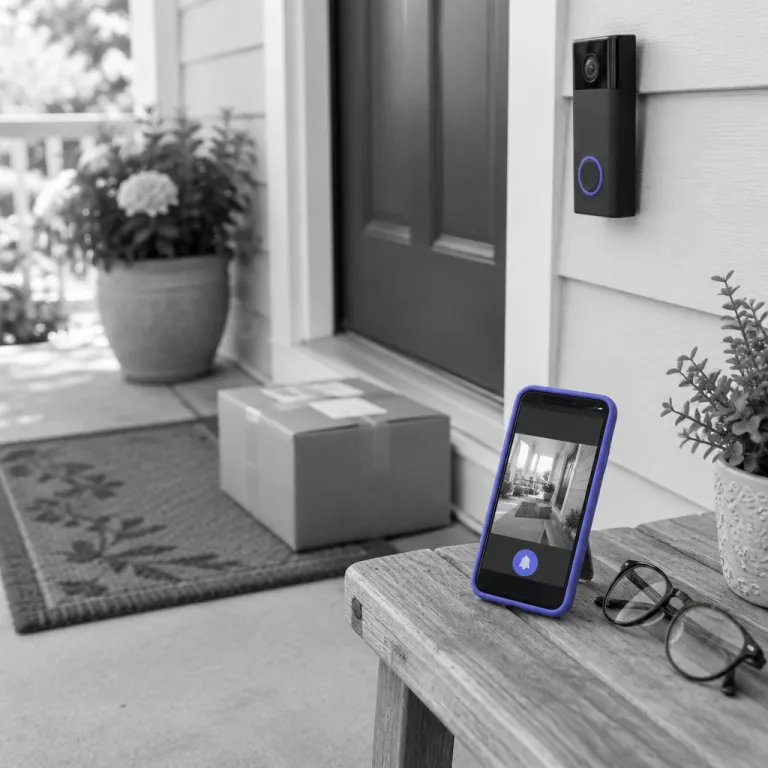
Choosing the right Ring doorbell for elderly parents
For a ring doorbell elderly parents monitoring setup, start with the right hardware. The best choice balances a clear camera, simple controls, and reliable security without turning your parents’ front door into a high tech project. Your goal is a video doorbell that feels like a normal doorbell to the parent, while quietly giving you remote monitoring and elder care reassurance in the background.
Battery powered Ring video doorbells suit most elderly parents because they avoid electrical work. A wired model can still work in a living room style bungalow if the existing door chime transformer is healthy and you are comfortable following Ring’s safety guidance step by step. When in doubt, hiring a local electrician or care services handyman to handle the door wiring is safer than asking your dad to climb a ladder.
Look for models with a wide field of view so the camera captures the whole entry area. Higher resolution video from modern ring cameras helps you check whether a parent seems steady on their feet or struggling with a parcel. Paired with indoor cameras in the hallway or living room, a ring camera at the door becomes part of a broader security cameras network that supports elder care without feeling like a hospital.
For many families, the sweet spot is a Ring video doorbell with dual band Wi Fi and support for the Ring app, Ring Protect, and Alexa. This combination lets you use live view on an Echo Show in the kitchen or living room, while you receive motion alerts on your phone wherever you are. In a thoughtful ring doorbell elderly parents monitoring setup, the parent only hears a normal chime while you quietly gain remote monitoring and a better sense of daily living patterns.
Sound matters as much as video in a camera parent scenario, because many elderly parents have some hearing loss. Choose a chime or Echo device that can ring loudly in the main room, and test different tones until your parent can reliably hear the alerts from the front door. If your dad or mum uses hearing aids, stand with them in the living room and trigger the video doorbell several times to check that the sound cuts through everyday noise.
Finally, think about where the doorbell sits in relation to indoor camera options and any future assisted living plans. A flexible ring camera that works with both battery and wired power gives you options if your parents later move to smaller communities or an apartment. Planning this ring doorbell elderly parents monitoring setup early means you will not need to replace every device when care services or living arrangements change.
Installation and setup that elderly parents can actually live with
A ring doorbell elderly parents monitoring setup succeeds or fails on installation details. If the camera angle is wrong or the app feels confusing, your parents will quickly lose patience and the security benefits will fade. Treat the first weekend as a joint project where you handle the technical work and they stay in charge of how the door and living spaces feel.
Mount the video doorbell at roughly chest height for your parent, not just at the standard measurement from a generic manual. This helps the camera capture faces clearly and makes the physical button easier to press for arthritic hands or anyone using a walker. If the existing frame is awkward, consider a wedge kit or a mounting plate, and study a practical guide on mounting a new battery doorbell and handling install quirks before you drill.
Inside the home, decide where an indoor camera or indoor cameras will help without feeling intrusive. Many families place a single indoor camera in the hallway rather than the living room, so they can check whether a parent has returned from the door after a late night ring. This kind of camera parent compromise respects privacy while still supporting elder care and remote monitoring when you worry about a potential fall.
During setup, walk through the Ring app slowly with your parents and label everything in plain language. Rename devices from “Front Door” to “Mum’s front door camera” or “Dad’s porch ring camera” so alerts feel personal and understandable. Show them how the live view works on the indoor screen or tablet, then practice answering a ring video call together until it feels routine.
Wi Fi reliability is another quiet but critical part of any ring doorbell elderly parents monitoring setup. Older homes with thick walls or multiple room additions often need a mesh router or extender near the living room to keep video stable. Test the video doorbell, indoor camera, and any other ring cameras from different rooms, and only sign off when the video stream stays smooth and the app does not freeze.
Finally, write down the basics on paper and tape the note near the main room where your parents sit. Include which button to press on the Echo device, what the different alerts mean, and a reminder that they can always ignore a call if they feel tired. This small step turns a complex security system into a familiar household routine that elderly parents and adult children can share with confidence.
Shared access, alerts, and Alexa: building a gentle safety net
The real power of a ring doorbell elderly parents monitoring setup comes from shared access rather than raw camera specs. You want your parents to feel in control while you quietly receive alerts that help you check on them without constant phone calls. Done well, the system feels like a polite neighbor, not a security guard watching every move.
Start by creating a Ring app account in your parent’s name, then add yourself as a shared user with full access. This structure keeps ownership clear for privacy policy reasons, while still allowing you to manage devices, adjust security cameras, and review video when something seems off. Shared access also means that if your dad gets a new phone, you can help reinstall the app and reconnect the video doorbell without resetting the whole system.
Next, tune alerts so they support elder care instead of overwhelming everyone with pings. Set motion zones so the ring camera ignores passing cars but still records anyone approaching the door, and adjust sensitivity until the app only sends meaningful alerts. Many families also enable rich notifications, which show a small preview image from the camera, making it easier to check whether a visitor is a delivery driver, a neighbor, or an unfamiliar face.
Alexa integration can make the system feel more natural for elderly parents who already talk to a voice assistant. On an Echo Show in the living room, the command “Alexa, show me the front door” pulls up live view from the video doorbell without any swiping or tapping. You can also create routines so that when someone presses the ring video button, the Echo automatically announces “Someone is at the front door” in every key room.
For adult children, the combination of Ring Protect cloud recording and remote monitoring offers a quiet safety net. If you miss a live alert while working, you can later review the video clip and check whether your parents seemed steady or confused during the interaction. A clear guide on how a Ring doorbell protects your front door can help you explain these features to siblings or other camera parent stakeholders.
Finally, think about how alerts interact with other care services and local communities that support your parents. If they receive meals from a volunteer group or medical deliveries, label those regular visitors in the Ring app timeline so patterns become easy to spot. Over time, this ring doorbell elderly parents monitoring setup turns into a living log of daily comings and goings, which can be invaluable when coordinating elder care with doctors, assisted living staff, or home care services teams.
From security to wellness: motion schedules, fall risks, and indoor coverage
A thoughtful ring doorbell elderly parents monitoring setup goes beyond basic security and into gentle wellness checks. The same cameras that watch the door can help you notice when routines change in ways that might signal a problem. The key is to use data from the ring cameras and indoor camera placements as conversation starters, not as silent judgments.
Motion schedules are a powerful but underused tool in the Ring app for elder care. You can set time windows when you expect no motion at the front door or in a hallway covered by indoor cameras, then pay attention when the pattern breaks. For example, if your dad usually brings in the morning paper by a certain hour and the camera shows no activity, that absence can be a subtle alert to call and check in.
Some families pair a video doorbell with a single indoor camera aimed at the entrance to the living room, avoiding bedrooms or private spaces. This limited view still lets you confirm that an elderly parent has come back inside safely after answering the door, which matters on icy days or in communities with steep front steps. When you see them on live view moving slowly or holding the rail more than usual, it may be time to discuss extra handrails or care services support.
While Ring devices do not replace medical fall detection systems, they can complement them in a broader safety plan. If a fall happens near the front door or in the hallway, a ring camera may capture the event or at least show that your parents have not moved for an unusual length of time. Combined with wearable fall detection devices and regular phone calls, this video context helps emergency responders and family members understand what really happened.
Ring Alarm and compatible sensors can extend this safety net beyond the door and main room. Contact sensors on back doors or patio doors show whether an elderly parent has gone outside unexpectedly at night, while motion sensors in shared spaces like the kitchen or living room confirm normal activity. When tied into Ring Protect and carefully tuned alerts, these security tools become part of a quiet elder care system rather than a loud burglar alarm.
As you add devices, remember that more cameras do not automatically mean better care for elderly parents. Each new ring camera or indoor camera should have a clear purpose, such as monitoring a frequently used entrance or a high risk hallway where a fall is more likely. Regularly review the setup with your parents so they understand why each camera exists and feel comfortable with how their home and daily living remain their own.
Privacy, dignity, and long term planning for elder care
No ring doorbell elderly parents monitoring setup works without trust, and trust starts with a frank privacy conversation. Elderly parents often worry that security cameras will turn their home into a watched space where every move is recorded. Your job as the adult child is to explain how the system works, what the privacy policy says, and where the real boundaries sit.
Begin by walking through the Ring app together and showing exactly which rooms have cameras and which do not. Make a clear promise that there will be no cameras in bedrooms or bathrooms, and stick to shared spaces like the front door, hallway, or living room. When parents see that the camera parent role focuses on entrances and safety, not on their private routines, resistance usually softens.
Next, explain how Ring Protect stores video and how long clips remain available for review. Discuss who has access to the account, how passwords are managed, and what the company’s terms privacy and privacy policy documents say about sharing data with third parties. If your parents are part of tight knit communities or assisted living facilities, reassure them that the system is meant to support, not replace, human care services and neighborly check ins.
Long term elder care planning should also consider what happens if your parents move from their current home. A flexible ring doorbell elderly parents monitoring setup can travel with them to a smaller apartment, senior communities, or even some assisted living residences that allow personal security cameras at the door. In those cases, always coordinate with facility management so the video doorbell and any indoor cameras comply with house rules and respect other residents’ privacy.
Financial planning matters too, because subscription costs and hardware upgrades add up over time. Talk openly about who will pay for Ring Protect, replacement cameras, and any extra services that tie into the system, such as professional monitoring or third party care services. Treat these costs as part of the broader elder care budget, alongside medical devices, transportation, and home modifications to reduce fall risks.
Finally, remember that technology should fade into the background once the system is tuned. The best ring doorbell elderly parents monitoring setup becomes a quiet companion that supports daily living, rather than a constant reminder of aging or vulnerability. When your parents can answer the door easily, you can check on them quickly, and everyone still feels respected, you have built more than security — you have built peace of mind.
Choosing complementary devices and services around the Ring ecosystem
Once the core ring doorbell elderly parents monitoring setup is stable, you can look at complementary devices that round out the system. The goal is not to fill every room with cameras, but to pair the video doorbell with just enough extra coverage to support safety and independence. Think of each new device as a tool for a specific scenario, such as late night visitors, package theft, or a possible fall near the stairs.
Outdoor ring cameras can watch driveways, side gates, or back doors that your parents still use regularly. These security cameras help you check whether a parent is taking out the trash safely or struggling with heavy bins, which can be an early sign that extra care services are needed. When combined with the front door video feed, you get a fuller picture of how your parents move around their property without hovering.
Inside, a single indoor camera in a high traffic hallway often delivers more value than multiple indoor cameras scattered across every room. This placement lets you confirm that your dad has returned from the mailbox or that both parents are up and moving during their usual morning window. If you want to compare options beyond Ring, a detailed review of a smart video doorbell and chime system, such as the analysis available in this smart video doorbell camera test, can sharpen your sense of what features really matter.
For families coordinating with professional elder care or assisted living teams, shared access becomes a powerful bridge. You might grant limited Ring app access to a trusted neighbor, a sibling, or a care coordinator, so they can use live view to verify that a home health aide arrived on time. Always document who has access and review permissions regularly, especially if care services or living arrangements change.
Some Ring Alarm packages now integrate with emergency response services that can dispatch help when certain alerts trigger. While these systems are not a substitute for medical alert pendants with dedicated fall detection, they can add another layer of protection when used thoughtfully. Before enabling any emergency features, sit down with your parents and explain exactly when an alarm will call for help and what that process looks like.
As you refine the setup, keep returning to three questions about every camera and service. Does this device make it easier for my parents to live the way they want, will it help us respond faster if something goes wrong, and does it respect their dignity at the door and in every room ? When the answer is yes across camera parent decisions, ring camera placements, and remote monitoring habits, you have built a ring doorbell elderly parents monitoring setup that serves the whole family.
FAQ
How can I share Ring access with siblings without confusing my parents ?
Create the main Ring app account in your parent’s name, then invite siblings as shared users so everyone can see alerts and video without changing the primary login. This structure keeps ownership simple for elderly parents while still allowing adult children to manage devices and adjust settings remotely. Review access once a year and remove anyone who no longer needs camera or live view permissions.
Where should I place indoor cameras to balance safety and privacy ?
For most families, a single indoor camera in a hallway or near the entrance to the living room offers enough context to confirm movement without intruding on private spaces. Avoid bedrooms and bathrooms entirely, and explain clearly which rooms are covered so your parents feel respected. Revisit placements if mobility changes or if a new fall risk appears in another part of the home.
Do Ring doorbells replace medical alert or fall detection devices ?
No, a video doorbell and security cameras are not medical devices and should not replace dedicated fall detection wearables or emergency pendants. Ring cameras can provide helpful video context around a suspected fall near the door or in a hallway, but they cannot automatically detect every incident. Use them as one layer in a broader elder care plan that includes medical tools, regular check ins, and support from care services or assisted living staff.
How do I talk to my parents about privacy with a Ring setup ?
Start by listening to their concerns, then walk through the Ring app together and show exactly what each camera sees and how long Ring Protect stores video. Explain the company’s privacy policy and terms privacy in plain language, and agree on clear rules such as “no cameras in bedrooms” or “no sharing clips without permission.” When parents feel involved in these decisions, they are more likely to accept the ring doorbell elderly parents monitoring setup as a tool for safety rather than surveillance.
What internet speed do elderly parents need for reliable Ring video ?
For a typical home with one video doorbell and one indoor camera, aim for at least 10 megabits per second of upload speed to keep live view and recordings stable. Thick walls or large homes may need a mesh Wi Fi system or a router placed closer to the main living room where devices connect. Always test video quality from different rooms and times of day, then adjust router placement or internet plans before relying on the system for remote monitoring.