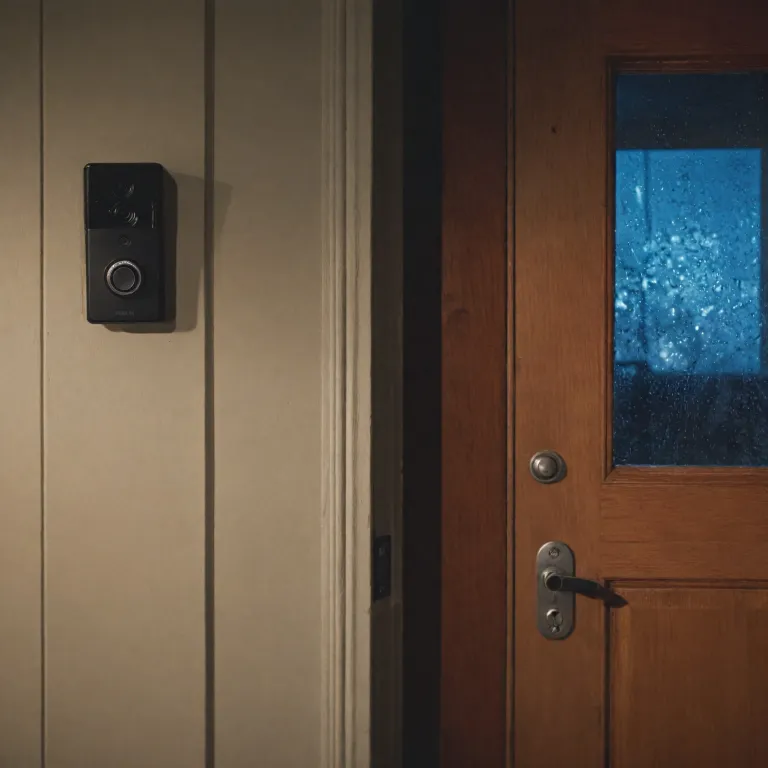

When hacked ring cameras turn a smart home into a target
Hacked ring cameras have transformed a convenient gadget into a potential threat. When a ring doorbell or indoor ring camera is compromised, the intruder does not just watch silently, they can map routines, test defenses, and probe for weak points. A single hacked camera can therefore undermine the entire security posture of a connected home.
Every internet connected device increases the attack surface and creates new access paths. If a ring account is protected by a weak password, hackers can reuse leaked credentials through credential stuffing attacks and quietly gain access to live feeds. Once cameras are hacked, the same attackers may try to pivot toward other devices on the home network and search for valuable data.
For many users, the most disturbing part is the intimacy of the intrusion. A camera hacked in a child’s bedroom or living room can expose private conversations, daily habits, and even customers videos stored in the cloud. These hacked ring cameras also raise questions about how the company stores account information, login dates, and prior login locations.
Security experts stress that a ring doorbell or any security camera is only as strong as its configuration. If ring failed to enforce strong authentication or failed implement timely safeguards, even careful users could be left exposed. When a displayed device list in the app shows unfamiliar device names or suspicious accounts, it may already be too late to prevent the first wave of damage.
How hackers gain access to ring accounts and devices
Understanding how hackers gain access to a ring account is essential for prevention. In many documented incidents, attackers did not break the encryption of a security camera, they simply logged in with stolen credentials. This pattern shows why credential stuffing remains one of the most effective tools for those who want to hack ring systems at scale.
In a credential stuffing campaign, hackers test large lists of leaked email and password combinations against ring accounts. When users reuse the same password across multiple services, a single unrelated breach can lead to multiple cameras hacked without any direct vulnerability in the device itself. Once the attacker can access the account, they often rename device names, explore customers videos, and quietly monitor prior login information.
Some intrusions also exploit poor app hygiene and delayed software maintenance. If users ignore a critical backend update or postpone an app update, they may miss important security patches that close known holes. In rare cases where ring failed to communicate risks clearly or failed implement recommended safeguards, the company has faced scrutiny from regulators such as the FTC.
Attackers frequently target the weakest link in the chain rather than the most advanced security feature. A ring doorbell mounted outside may look like a hardened security camera, yet the real vulnerability often lies in the account password or outdated app. Once a camera hacked incident occurs, the same compromised credentials can be reused against other devices and services in the household.
What hacked ring cameras reveal about privacy and data
Hacked ring cameras expose more than images of front porches and driveways. A compromised ring camera or doorbell can reveal patterns of presence and absence, which effectively turns security cameras into tools for planning physical intrusions. When attackers gain access to customers videos, they can analyze who lives in the home, which rooms are occupied, and when valuable items are left unattended.
The privacy stakes increase when multiple devices are linked to a single ring account. If several ring cameras and other smart devices share the same login, a single camera hacked incident can cascade across the entire ecosystem. Attackers may then cross reference data from different devices, correlating audio, video, and metadata such as login dates and displayed device locations.
Cloud storage practices also come under scrutiny when cameras are hacked. Users often assume that once videos leave the device, the company will protect that data with strong encryption and strict internal access controls. When allegations arise that ring failed to adequately safeguard customers videos or failed implement robust monitoring, regulators like the FTC may investigate whether the company respected its security promises.
For ordinary users, the technical details matter less than the practical outcome. They want assurance that every security camera, every app update, and every backend update meaningfully reduces the risk of unauthorized access. Clear communication about how data is stored, how accounts are monitored for suspicious prior login activity, and how device names are managed can rebuild trust after high profile cameras hacked incidents.
Weak passwords, shared accounts, and everyday user mistakes
Many hacked ring cameras can be traced back to simple, avoidable mistakes. The most common is relying on an easy to guess password or reusing the same password across multiple accounts. Without a unique password for each ring account, users unintentionally invite credential stuffing attacks that exploit old breaches from unrelated services.
Shared logins also create hidden vulnerabilities in otherwise secure systems. When several family members use the same ring account and password, it becomes harder to track prior login activity and notice unfamiliar devices. Over time, the list of displayed device names in the app can grow confusing, which allows a stealthy camera hacked incident to remain undetected.
Another frequent issue is neglecting software maintenance on every connected device. Users may update the main phone app but forget that other devices, such as tablets or secondary phones, still run outdated versions of the ring app. This fragmented environment can undermine the benefits of a critical backend update or security patch designed to protect security cameras from known exploits.
Good digital hygiene requires consistent habits rather than one time fixes. Enabling multifactor authentication, reviewing accounts and login dates regularly, and removing unused devices from the displayed device list all reduce the chance that hackers will gain access. When combined with a strong, unique password and timely app update practices, these steps significantly lower the risk that ring cameras will be hacked in the first place.
How the company, regulators, and experts respond to security failures
When hacked ring cameras make headlines, attention quickly turns to the company and regulators. Consumers want to know whether ring failed to meet its security obligations or failed implement safeguards that experts consider standard. In several enforcement actions, the FTC has emphasized that companies must align their marketing claims about security cameras with their actual technical practices.
Regulatory scrutiny often focuses on how a company handles customers videos and account data. Investigators may examine whether backend update processes were robust, whether internal access to stored videos was properly limited, and whether prior login anomalies triggered alerts. If a security camera platform allows employees or contractors unnecessary access, the risk of both external and internal cameras hacked incidents increases.
Independent security researchers also play a crucial role in this ecosystem. They test how easily hackers can gain access to a ring account, analyze whether device names and displayed device lists leak sensitive information, and evaluate the resilience of the app against credential stuffing. Responsible disclosure programs encourage experts to report vulnerabilities before criminals can exploit them at scale.
For users, these institutional responses matter because they shape long term trust. A company that rapidly issues an app update, communicates clearly about risks, and cooperates with the FTC signals a commitment to security. Over time, consistent transparency about hack ring incidents, login dates, and remediation steps can reassure users that their ring doorbell and ring camera devices are being protected as carefully as possible.
Practical steps to protect ring doorbell and security cameras
Protecting against hacked ring cameras starts with strengthening the basics. Every ring account should use a long, unique password that is not shared with any other service. Password managers make it easier to maintain this unique password approach without relying on memory or risky notes.
Enabling multifactor authentication adds a powerful second barrier against hackers. Even if attackers obtain the correct password through credential stuffing, they cannot easily gain access without the additional verification step. Users should also regularly review login dates, prior login locations, and displayed device names in the app to spot unfamiliar devices quickly.
Keeping every device and app up to date is equally important for security. Install each app update promptly, and ensure that all phones, tablets, and other devices linked to the ring doorbell or ring camera run current software. A timely backend update from the company can close vulnerabilities that might otherwise leave cameras hacked by attackers who exploit known flaws.
Physical security should not be overlooked when protecting a security camera system. Using tamper resistant mounts and appropriate camera screws, as explained in resources such as this detailed guide on camera screws for ring doorbells, helps prevent direct interference with the device. Combined with careful management of customers videos, accounts, and devices, these measures create multiple layers of defense against any attempt to hack ring products.
Balancing convenience, safety, and long term digital resilience
Connected homes rely on trust that security cameras will protect rather than expose. Hacked ring cameras undermine that trust by turning a ring doorbell or indoor ring camera into a surveillance tool for strangers. The challenge is to preserve the convenience of smart devices while minimizing the opportunities for hackers to gain access.
Users must recognize that every device, app, and account forms part of a larger security ecosystem. A single camera hacked incident can reveal weaknesses in password practices, app update habits, and the way customers videos are stored or shared. When ring failed in the past to communicate clearly or failed implement recommended safeguards, it highlighted how corporate decisions directly affect household safety.
Building long term resilience requires cooperation between individuals, companies, and regulators. Users can adopt a unique password for each ring account, enable multifactor authentication, and monitor login dates and displayed device lists for anomalies. At the same time, the company must invest in robust backend update processes, transparent reporting of cameras hacked incidents, and strict controls over internal access to data.
Ultimately, the goal is not to abandon smart devices but to use them wisely. By treating every security camera, every app update, and every connected device as part of a shared responsibility model, households can significantly reduce the risk that hackers will compromise their privacy. In this environment, hacked ring cameras become cautionary lessons rather than inevitable outcomes of modern living.
Common questions about hacked ring cameras and user protection
How do hackers usually gain access to ring cameras ?
Most attackers rely on credential stuffing, where they test large lists of leaked email and password combinations against ring accounts. When users reuse passwords, a breach on another service can lead directly to a camera hacked incident. Strong, unique passwords and multifactor authentication significantly reduce this risk.
What are the warning signs that a ring camera has been hacked ?
Warning signs include unfamiliar device names in the displayed device list, unexpected login dates or prior login locations, and strange activity in stored customers videos. Users may also notice settings changes or new accounts added without their knowledge. Any such anomaly should trigger an immediate password change and security review.
Can the company or regulators help after a security incident ?
When hacked ring cameras are reported, the company can assist by reviewing backend update logs, account activity, and device histories. Regulators such as the FTC may investigate if there are signs that ring failed to protect data or failed implement promised safeguards. These actions can lead to improved security practices and clearer communication for all users.
What practical steps should users take to secure their ring devices ?
Users should create a unique password for each ring account, enable multifactor authentication, and install every app update promptly. Regularly reviewing displayed device lists, login dates, and prior login information helps detect suspicious access early. Removing unused devices and tightening sharing settings further strengthens overall security.
Are smart home security cameras still worth using despite hacking risks ?
Smart security cameras, including ring doorbell and ring camera devices, remain valuable tools when configured correctly. The key is to combine strong account security, timely backend update practices, and careful management of customers videos and devices. With these measures in place, the benefits of connected security cameras can outweigh the risks.