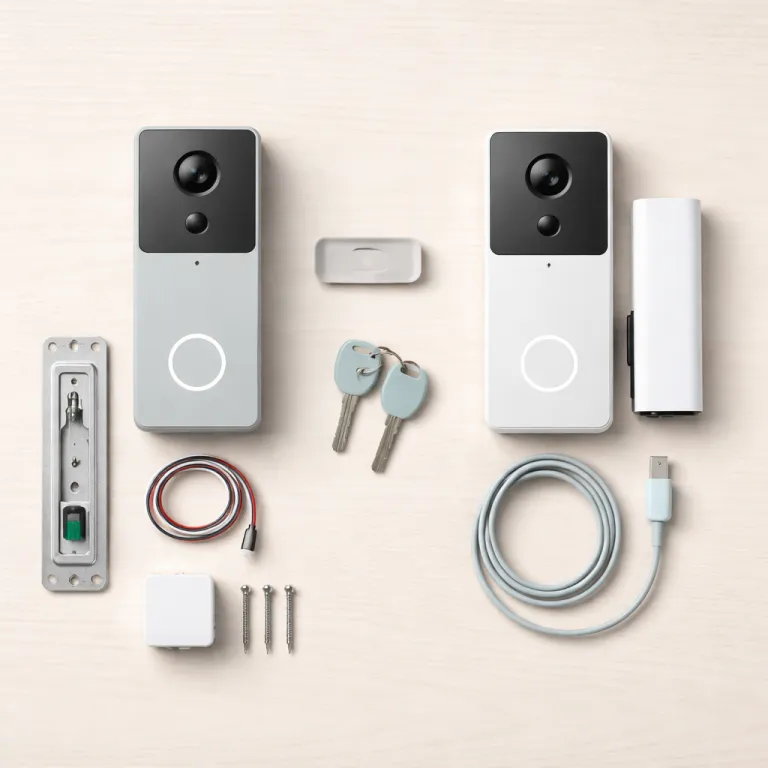

Ring doorbell wired vs battery for first time buyers
The real question behind ring doorbell wired vs battery is not about specs but about how your home actually works. When you compare a wired doorbell and a battery doorbell from Ring, you are really choosing between permanent power and flexible placement, between running cables through a wall and swapping a ring battery every few months. A clear view of your front door, reliable motion detection, and simple ways to speak with visitors matter more than any marketing term.
Every Ring video doorbell, whether wired or battery powered, gives you core video security features such as live view, two way audio, and motion alerts through the Ring app. The difference Ring highlights between its wired doorbell models and its battery doorbells is how they get power, how often you must maintain them, and how consistently they can record doorbell video when motion detection is triggered. That is why the same doorbell cameras family can feel very different in daily use, even when the video doorbells share similar resolutions and fields of view.
Think of the wired models as appliances and the battery doorbell models as gadgets you manage. A wired doorbell ring setup, such as a Ring Video Doorbell Pro or a newer doorbell pro model, ties into your existing chime and transformer, then quietly runs in the background with stable power. A battery powered ring doorbell, by contrast, relies on a removable doorbell battery pack, which is Ring’s signature interchangeable power design and the main reason many people choose a battery doorbell instead of a fully wired doorbell.
Question 1: can you legally and practically wire a Ring doorbell
Before comparing ring doorbell wired vs battery on features, you must check whether wiring is even realistic in your home. A wired doorbell from Ring needs a transformer that delivers between 16 and 24 VAC, and many older houses or apartments either lack a safe transformer or hide it behind walls where you cannot easily reach the power kit. If you rent, your lease may forbid altering the door frame, drilling near the door, or touching the existing doorbells wiring, which makes a wired doorbell installation risky without written permission.
Walk through your space with three questions in mind about any potential wired model. First, do you have an existing mechanical or digital doorbell that already rings when someone presses the door button, and can you access its chime box and transformer without opening sealed walls. Second, are you allowed to change that wiring, or would a landlord, building manager, or co owner object to a new video doorbell or to a Ring power kit being added to the circuit.
Third, can an electrician safely reach the path from your indoor transformer to the exterior door without tearing into insulation, brick, or shared hallway surfaces. If the answer to any of these is no, a battery doorbell with an interchangeable faceplate and a simple mounting kit is usually the smarter choice, because it avoids legal issues and surprise repair costs. For readers who do have access and permission, a detailed wiring diagram for a Ring doorbell is essential, and guides that explain the wiring diagram for a Ring doorbell step by step can prevent both nuisance tripping and long term damage to your doorbell cameras.
Question 2: what does your climate do to batteries and wiring
Climate quietly shapes the ring doorbell wired vs battery decision more than most buyers expect. Lithium batteries inside a typical doorbell battery pack lose capacity faster in cold weather, so a ring battery that lasts five months in a mild climate might struggle to reach three months in a region with long freezing winters. At the same time, a wired doorbell that relies on a transformer and thin low voltage cables can suffer from voltage drop or corrosion if the wiring runs through damp crawlspaces or poorly insulated exterior walls.
If you live somewhere with harsh winters, a battery doorbell will still work but you should plan for more frequent charging and occasional performance dips. The Ring app may warn you when the battery is too cold to charge efficiently, and you might notice slower motion detection or shorter video clips when the temperature drops sharply. In very hot climates, constant sun on a dark faceplate can also heat the video doorbell body, so choosing a lighter interchangeable faceplate colour and a slightly shaded mounting position can help protect both the cameras and the internal battery.
Wired models such as the Ring Video Doorbell Pro or other doorbell pro variants avoid battery temperature swings but depend heavily on stable transformer power. If your transformer is undersized or very old, the wired doorbell may reboot during peak motion events, which means missed doorbells video clips and unreliable security coverage. In that case, following a comprehensive guide to wiring your doorbell and upgrading the transformer to a modern 16 to 24 VAC unit can stabilise power and make a wired model feel as dependable as a traditional chime.
Question 3: how much front door traffic and motion do you get
Traffic at your front door is the third pillar in the ring doorbell wired vs battery choice. A quiet cul de sac home where the door faces a private path will generate far fewer motion detection events than a city terrace with a busy pavement directly in the doorbell cameras field of view. The more motion your video doorbell sees, the more often it records doorbell video clips, and the faster any doorbell battery will drain.
Imagine a battery doorbell mounted beside a door that faces a popular dog walking route or a school run. Every passer by triggers motion detection, the ring video system wakes, records, and sends alerts through the Ring app, and your ring battery may need charging every six to eight weeks instead of every three to six months. In that scenario, a wired doorbell ring setup, even with a compact doorbell pro model, can save you from constant ladder trips and charging routines while still letting you speak with visitors at any time.
By contrast, if your door is set back from the street and you only get a handful of visitors each day, a battery powered ring doorbell will feel almost maintenance free. You can further save battery life by narrowing the motion zones, reducing the sensitivity of motion detection, and using a subscription Ring plan to store only the most relevant doorbells video clips. For homes where the chime is weak or the layout is complex, pairing either a wired or battery model with a smart chime comparison such as a Ring Chime versus Chime Pro guide can help you decide whether to extend alerts deeper into the house.
Why “just get wired” is often the wrong advice
Many online comments about ring doorbell wired vs battery boil down to a simple slogan that says always choose wired. That sounds decisive, but it ignores renters, older buildings with fragile wiring, and anyone who cannot easily reach a transformer or run new power cables to the front door. For a first time buyer, forcing a wired doorbell into a home that is not ready for it can mean cancelled appointments, extra electrician fees, and a door frame scarred by abandoned holes.
Battery powered Ring doorbells exist precisely because not every home can support a wired doorbell without major work. The removable ring battery and interchangeable faceplate system lets you mount a video doorbell almost anywhere near the door, then swap batteries in minutes without taking the whole unit off the wall. For many people, that flexibility is the real difference Ring brings to the market, especially compared with brands that require either permanent wiring or awkward external power bricks.
There is also a middle ground that suits a lot of households who want stability without a full rewiring project. If you already have a functioning chime and transformer, a wired doorbell such as a Ring Video Doorbell Pro can tie into that system, while a separate Chime or Chime Pro extends audible alerts to distant rooms. With any of these models, a subscription Ring plan unlocks cloud recording, richer motion detection options, and the ability to review doorbells video history, which turns a simple doorbell ring into a more complete security record you can revisit whenever needed.
Choosing the right Ring model and budget for your home
Once you have answered the three questions about wiring, climate, and traffic, the ring doorbell wired vs battery choice becomes much clearer. If you can legally wire, have a healthy transformer, and your front door sees constant motion, a wired doorbell pro style model is usually the best long term fit. You get continuous power, stronger motion detection features, and fewer interruptions to your security coverage when life gets busy.
For small budgets or renters, an entry level battery doorbell paired with a basic Ring app setup can still deliver reliable doorbell video and instant alerts. You can start with one of the simpler video doorbells, then later upgrade to a more advanced doorbell cameras model or add a Chime Pro if you need better indoor notifications. Because the faceplate is interchangeable, you can refresh the look of your ring doorbell or match a new door colour without replacing the entire kit, which helps you save money over time.
Households that want a balance between flexibility and permanence often mix wired and battery powered Ring devices. A wired doorbell at the main entrance handles most visitors, while a secondary battery doorbell covers a side door, gate, or back entrance where running power would be expensive. Whatever combination you choose, the goal is simple, to speak with visitors easily, to see clear video when motion occurs, and to have a doorbell wired or battery powered that fades into the background of daily life instead of becoming another gadget you constantly manage.
Key statistics about Ring wired and battery doorbells
- Wired Ring doorbells require a transformer that supplies between 16 and 24 VAC to operate reliably without frequent shutdowns.
- Typical Ring battery doorbells last around three to six months per charge in moderate climates with low to medium motion activity.
- Cold weather significantly reduces lithium battery performance, which can cut effective battery life by half in regions with extended freezing temperatures.
- High traffic locations, such as doors facing busy pavements, can reduce battery life to as little as six to eight weeks due to constant motion recording.
Frequently asked questions about Ring wired vs battery doorbells
Is a wired Ring doorbell more reliable than a battery model
A wired Ring doorbell is generally more consistent because it has continuous power from a transformer, so it does not depend on battery charge levels. Reliability still depends on having a healthy 16 to 24 VAC transformer and solid wiring connections that do not drop voltage during motion events. When the electrical side is sound, a wired model usually needs less maintenance than a battery doorbell.
How often do I need to charge a Ring battery doorbell
Most Ring battery doorbells need charging every three to six months in mild climates with moderate motion activity. In colder regions or at doors facing busy streets, you may see intervals closer to six to eight weeks because frequent motion detection and recording drain the battery faster. Adjusting motion zones and sensitivity in the Ring app can extend battery life between charges.
Can I switch from a battery Ring doorbell to a wired one later
You can move from a battery Ring doorbell to a wired model later if your home supports safe wiring. That upgrade usually involves installing or replacing a transformer, connecting low voltage cables to the new doorbell, and possibly adding a Ring power kit for some models. Many people start with a battery unit to test placement and then invest in a wired doorbell once they know the system suits their routine.
Do I need a Ring subscription plan for either wired or battery models
Both wired and battery Ring doorbells work without a subscription, but features are limited to live view and basic alerts. A Ring subscription plan unlocks cloud recording, extended video history, rich notifications, and more advanced motion detection options for all compatible models. For most buyers who care about security and evidence, the subscription is a worthwhile addition regardless of power type.
Will a Ring doorbell work in an apartment building
A Ring doorbell can work in many apartments, but you must respect building rules and wiring constraints. Battery models are usually safer choices for renters because they avoid tapping into shared electrical systems and can be removed without damage. Always confirm with your landlord or building manager before installing any wired doorbell or drilling near shared doors and hallways.
Trusted sources for further reading
- Ring support documentation on hardwiring and transformer requirements
- Consumer Reports testing on smart doorbells and home security cameras
- Wirecutter guides to video doorbells and smart home security systems