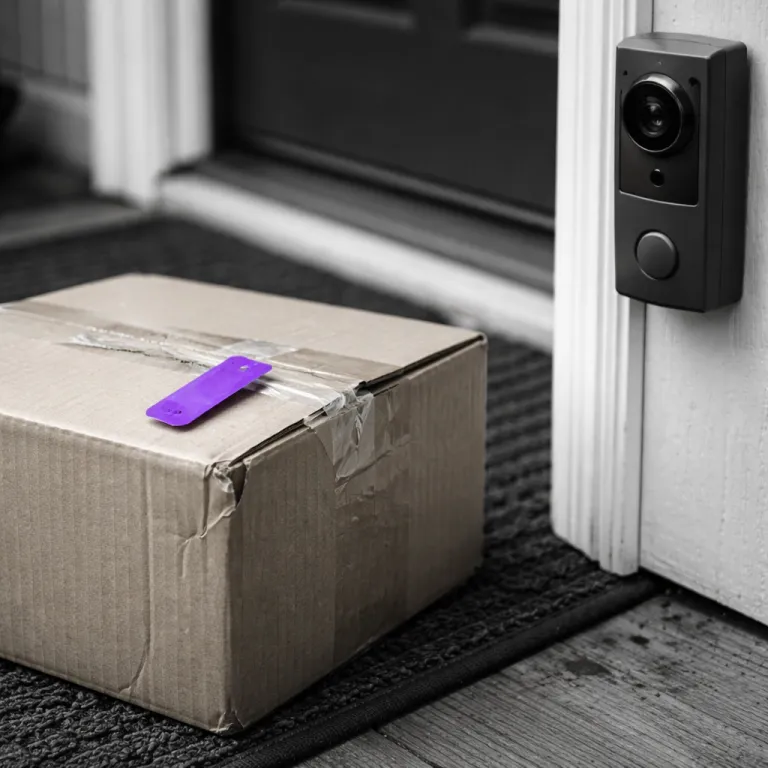

What the research really says about doorbell cameras and theft
Most families now ask a blunt question before buying a Ring doorbell camera. They want to know do doorbell cameras deter theft or mainly create better surveillance footage for the police. The honest answer is that the current data on crime and home security systems is more uncomfortable than most marketing suggests.
Academic researchers looking at security cameras and smart doorbells have started to separate perception from measurable crime deterrent effects. One Scientific American analysis of video doorbell usage reported that these devices "do not significantly deter package theft" even when the camera is clearly visible from the street. That finding clashes with the way many security system adverts present cameras security as a near magical shield against burglars and porch pirates.
What the study actually measures is narrow but important for any security conscious family. It focuses on opportunistic crime around front doors, especially parcel theft, and compares crime rates between homes with a visible security camera or doorbell camera and homes without such devices. The researchers then analyse police department reports and other data to see whether visible security or smart security systems meaningfully deter crime in these specific situations.
What the study does not measure is equally critical when you decide whether a Ring doorbell or other smart doorbells are worth the investment. It does not claim that all cameras or alarm systems fail to deter burglars in every context, nor does it fully evaluate how a complete security system with professional monitoring and multiple devices might change behaviour. The question do doorbell cameras deter theft is therefore more nuanced than a simple yes or no for every type of crime.
For parcel theft, the pattern is stark and repeats across several university led projects on crime and surveillance. Many thieves either do not notice the cameras and doorbells or simply do not care that a video doorbell or cctv camera is recording them. When you see the same faces in multiple clips shared with the police, you understand why visible security alone is not enough to deter burglars who treat front steps as low risk hunting grounds.
There is also a selection effect that the Scientific American piece highlights in its crime deterrent discussion. Homes that install a Ring doorbell or other security cameras are often in areas where residents already worry about crime rates and package theft. That means the presence of a doorbell camera can be a sign of existing crime problems rather than a guarantee that the security system will deter crime in the short term.
When you read that 22 percent of victims already had a video doorbell or similar cameras installed, the limits of visible surveillance become hard to ignore. These households invested in smart security devices, yet the police still logged their losses and the systems mainly produced better video evidence. The core lesson is that a single doorbell camera, even a premium Ring doorbell model, is rarely a standalone solution for front door security.
So do doorbell cameras deter theft at all, or are they only forensic tools. The fairest reading of the available data is that a visible security camera or smart doorbell can slightly deter crime in some cases, but the effect is modest and highly dependent on context. For a family deciding how to protect children, deliveries, and daily routines, that means treating the doorbell camera as one layer in a broader security strategy rather than the hero of the story.
If you want a deeper dive into how these findings apply specifically to porch theft and Ring devices, a detailed analysis of whether doorbell cameras actually deter porch theft walks through the uncomfortable research step by step. That kind of evidence based view helps cut through marketing claims and lets you judge which security systems and alarm systems genuinely fit your home. It also reframes the question from do doorbell cameras deter theft to how you can combine visible security, lighting, and delivery habits into a coherent plan.
Why visible cameras often fail against opportunistic thieves
Once you accept that many doorbell cameras do not strongly deter burglars, the next question is why these devices underperform against quick grab crimes. The answer lies in how opportunistic thieves assess risk, how visible security is interpreted, and how little most porch pirates fear being identified later by the police department. For them, the front step is a fast moving environment where seconds matter more than whether a Ring doorbell is quietly recording in the background.
Opportunistic crime thrives on speed, anonymity, and the assumption that victims will not chase or confront the thief. A clearly visible doorbell camera or other security cameras may register as a minor annoyance, but the perceived risk of arrest remains low when crime rates for solved parcel theft cases are tiny. Many thieves know that even high quality video from smart doorbells or cctv systems rarely leads to rapid police follow up unless there is a wider pattern of crime.
There is also a branding problem that undermines the idea that cameras alone deter crime. When a parcel sits in full view with a recognisable retailer logo, the visible reward can outweigh the abstract threat of a security camera or alarm systems sign. In that moment, the thief is not asking do doorbell cameras deter theft but rather whether anyone is watching from a window or walking a dog nearby.
Studies that track both parcels and security devices show that visibility of the package itself is a stronger predictor of theft than the presence of a doorbell camera. A Ring doorbell or other smart security system mounted high on the frame may be technically impressive, but it does not shrink the size of the box on your mat. The more visible the prize, the less impact a single security camera has as a crime deterrent for casual thieves.
Another factor is familiarity with the technology, especially in neighbourhoods saturated with cameras and doorbells. When every second house has a video doorbell or some form of cameras security, the psychological shock value of seeing a lens near the door fades quickly. Thieves adapt, learn blind spots, and sometimes even use caps and masks that make the video less useful for the police.
Some burglars even treat visible security systems as rough maps of where valuables might be stored inside. A prominent Ring doorbell, multiple security cameras, and branded alarm systems stickers can signal that the homeowner values security and probably owns expensive devices. That does not mean cameras and smart doorbells attract crime, but it does show that visibility alone is not a simple deterrent switch.
For families, the key takeaway is that a doorbell camera changes behaviour most effectively when it changes human routines, not just when it records. If the presence of a Ring doorbell prompts you to answer remotely, speak through the video doorbell, or coordinate with neighbours, then the system starts to deter burglars by increasing perceived guardianship. Without those active responses, the camera remains a passive observer that mainly helps after the crime.
When you read about 104 million parcels stolen and tens of billions in losses, it becomes clear that technology alone has not bent the curve of this particular crime category. The question do doorbell cameras deter theft must therefore be reframed as how these devices fit into a layered security system that includes people, lighting, and smarter delivery choices. That shift in thinking is where a Ring doorbell stops being a gadget and starts becoming part of a neighbourhood level defence.
If you want a structured breakdown of how porch theft research challenges marketing promises, an in depth guide on whether doorbell cameras actually deter porch theft provides a useful complement to this analysis. It walks through how different security systems, from simple cameras to full alarm systems, perform when tested against real world behaviour. Reading that alongside your own street level experience will give you a more grounded answer to do doorbell cameras deter theft in your specific environment.
What actually works at the front door for real families
For a security conscious family, the practical question is not only do doorbell cameras deter theft but what combination of measures genuinely reduces risk. The most effective front door security systems treat the Ring doorbell or any other video doorbell as one component in a broader design that manages light, visibility, and delivery patterns. That approach accepts the limits of cameras while still using their strengths as part of a smart security plan.
Lighting is the first low friction upgrade that consistently helps deter burglars and porch thieves. A bright, motion activated light near the doorbell camera or other security camera increases the sense that someone could be watching in real time, which matters more than the abstract idea of later police involvement. When the light snaps on, many opportunistic offenders abandon the attempt because the environment no longer feels anonymous.
Managing parcel visibility is the second pillar of effective front door security. If your packages are not visible from the street, the incentive for crime drops sharply even in areas with weak police department follow up on minor theft. Simple changes such as asking couriers to place parcels behind a side gate, using lockable parcel boxes, or scheduling deliveries for times when someone is home can outperform any single doorbell camera in terms of raw crime deterrent effect.
Smart doorbells and cameras become more powerful when they are integrated into a complete security system with clear routines. A Ring doorbell linked to other security cameras, alarm systems, and professional monitoring can trigger faster responses when someone lingers or attempts forced entry rather than just stealing a parcel. In that scenario, the question do doorbell cameras deter theft shifts toward how the whole network of devices and people responds to suspicious behaviour.
Neighbourhood level coordination is another underrated factor that research on crime rates repeatedly highlights. When residents share video clips from their doorbell cameras, coordinate with local police, and use community apps responsibly, the perceived risk for repeat offenders increases. The visible signs of an active community, not just visible security hardware, help deter crime by making it harder for strangers to move unnoticed.
For families building a Ring ecosystem, pairing a Ring doorbell with a Ring Alarm kit and a few well placed cameras security units creates a more balanced defence. The alarm systems handle forced entry, the security cameras cover blind spots, and the video doorbell manages everyday interactions at the front door. Professional monitoring then adds a human layer that can call the police when you are asleep or away, turning passive surveillance into an active security system.
Do not overlook the softer side of front door design either, especially if you want your home to feel welcoming as well as secure. Choosing elegant doorbell chimes and thoughtful lighting can make your smart doorbells blend into the architecture rather than shouting "fortress" at every visitor. A guide to selecting elegant door bell chimes for a smarter entrance shows how you can balance aesthetics with the practical needs of a modern security camera and Ring doorbell setup.
For many households, the best test is whether you forget the technology is there during normal days. When your Ring doorbell, cameras, and alarm systems quietly handle alerts, record useful video, and integrate with your routines, they become tools rather than constant sources of anxiety. That is when the question do doorbell cameras deter theft becomes less theoretical and more about whether your specific configuration actually makes you feel and live safer.
If you are considering a full upgrade, looking at a comprehensive wireless smart home security system with easy setup and mobile app control can be worthwhile. A modern Ring Alarm kit with options for professional monitoring, expandable devices, and tight integration with your existing doorbell cameras offers a clearer path from surveillance to real security. The goal is not the flashiest camera but the security system that quietly fits your family’s habits and budget.
How to choose and use a Ring doorbell as part of a layered defence
Choosing the right Ring doorbell starts with being honest about what you expect it to do. If your main question is do doorbell cameras deter theft, you need to accept that no single device will transform crime rates on your street. What a well chosen doorbell camera can do is give you better awareness, better evidence, and a stronger sense of control when paired with other security systems.
Begin by mapping your actual front door risks rather than chasing specifications. Do you mainly worry about parcels, late night knocks, or potential burglars checking whether anyone is home before attempting entry. Your answers will shape whether you prioritise a Ring doorbell with sharper video, faster notifications, or deeper integration with existing cameras and alarm systems.
For busy families, battery powered smart doorbells are often easier to install and maintain. They avoid the need to touch mains wiring, which keeps the project within reach for most people who are comfortable with basic tools and clear instructions. Wired models, however, can be better for continuous video recording and more stable power, especially when you already have compatible doorbells in place.
Pay close attention to how the Ring doorbell handles motion zones, privacy settings, and data storage. A good configuration reduces false alerts from passing cars while still capturing anyone who approaches the doorbell camera or lingers near parcels. Clear control over where your video is stored and who can access it also matters for long term trust in any security camera or smart security system.
Once installed, the way you use the device has as much impact as the hardware itself. Speaking through the video doorbell when someone approaches, even briefly, can deter burglars who are testing whether the house is empty. Sharing relevant clips with neighbours and the police when patterns emerge turns isolated incidents into actionable information that can help deter crime more broadly.
Remember that visible security can cut both ways, so position your cameras thoughtfully. You want the doorbell camera and any supporting security cameras to cover key approaches without intruding on neighbours’ privacy or capturing unnecessary street footage. That balance keeps your home secure while maintaining good relationships and avoiding over collection of surveillance data.
Finally, treat your Ring doorbell and wider security system as living infrastructure rather than a one time purchase. Review notifications, adjust motion zones, and update alarm systems settings as your family routines and neighbourhood patterns change over time. When you keep tuning the system, the question do doorbell cameras deter theft becomes less about generic statistics and more about how effectively your own setup reduces risk and anxiety.
In the end, the strongest crime deterrent around your front door is a mix of human presence, thoughtful design, and well used technology. A Ring doorbell, a few carefully placed cameras, reliable lighting, and a responsive community can together create an environment where quick theft feels risky and unappealing. That layered approach respects what the research says about doorbell cameras while still giving your family practical, everyday security.
Key figures on doorbell cameras, theft, and home security
- Researchers cited by Scientific American found that around 22 percent of parcel theft victims already had a video doorbell or similar cameras installed, showing that these devices alone are not a strong crime deterrent for opportunistic porch theft.
- Estimates for recent years suggest that roughly 104 million parcels were stolen across the United States, with total losses of about 37 billion dollars, indicating that widespread adoption of smart doorbells and security cameras has not yet significantly reduced overall theft volumes.
- Studies comparing homes with and without visible security devices report only modest differences in recorded crime rates for minor offences, which supports the view that visible security and cctv systems are more effective as investigative tools than as guaranteed ways to deter burglars.
- Surveys of households using smart security systems show that many owners feel safer and more in control, even when police department clearance rates for parcel theft remain low, highlighting a gap between perceived and measured security benefits.
- Neighbourhood programmes that combine shared video from doorbell cameras with coordinated reporting to the police have reported local reductions in repeat offences, suggesting that community response, rather than any single camera, is a key factor in whether technology helps deter crime.