Understanding ring door sensors and how they protect your home
Ring door sensors sit quietly on each door and window, yet they shape the backbone of a modern security system. Each sensor pairs with a Ring Alarm base station to create a connected ring of protection that reacts the moment a contact breaks, whether at a single door or across multiple doors windows in a larger property. When the magnetic contact sensor separates from its counterpart, the system sends an alarm signal and the ring app alerts your phone within seconds.
At the heart of these devices is a compact sensor that monitors the status of every window door opening and closing event. In practical terms, contact sensors translate simple movements into meaningful security data that help you understand how your home is used and when something unusual happens. Because the sensors work as part of a wider alarm system, they can trigger sirens, notifications, and even professional monitoring if a subscription required plan is active.
Ring door sensors are designed to work with both doors windows made from wood, PVC, or metal, provided the contact sensor halves align correctly. The latest sensor gen models offer improved wireless range and better battery life, reducing how often you need to replace the battery in each unit. For many households, this combination of discreet hardware, a responsive ring app, and optional ring protect services delivers a level of security that feels both accessible and robust.
Key components of a ring alarm system and how sensors fit in
A complete Ring Alarm system relies on several coordinated parts, and ring door sensors are among the most critical. The base station acts as the central brain, receiving every signal from each sensor and deciding whether to trigger an alarm contact event or simply log routine activity. Around this hub, contact sensors, motion detectors, and optional accessories form a layered security network that can scale from a small flat to a multi level home.
Each contact sensor communicates wirelessly with the base station, which then uses the ring app to send alerts to your phone or tablet. When you arm the alarm system in away mode, opening any protected door or window door will cause the alarm to sound unless you disarm it within the entry delay. This tight integration ensures that even a single sensor can play a decisive role in stopping an intruder before they move deeper into the property.
For outdoor coverage, many users pair their indoor sensors with a wireless camera kit or solar powered security cameras system, such as those described in this test of outdoor wireless security cameras. While these cameras focus on visual monitoring, ring door sensors focus on physical access points, creating complementary layers of protection. Together, the alarm, sensors, and cameras form a security system that can be tailored to different lifestyles, from families with children to people who travel frequently.
Installation, setup, and how ring door sensors actually work day to day
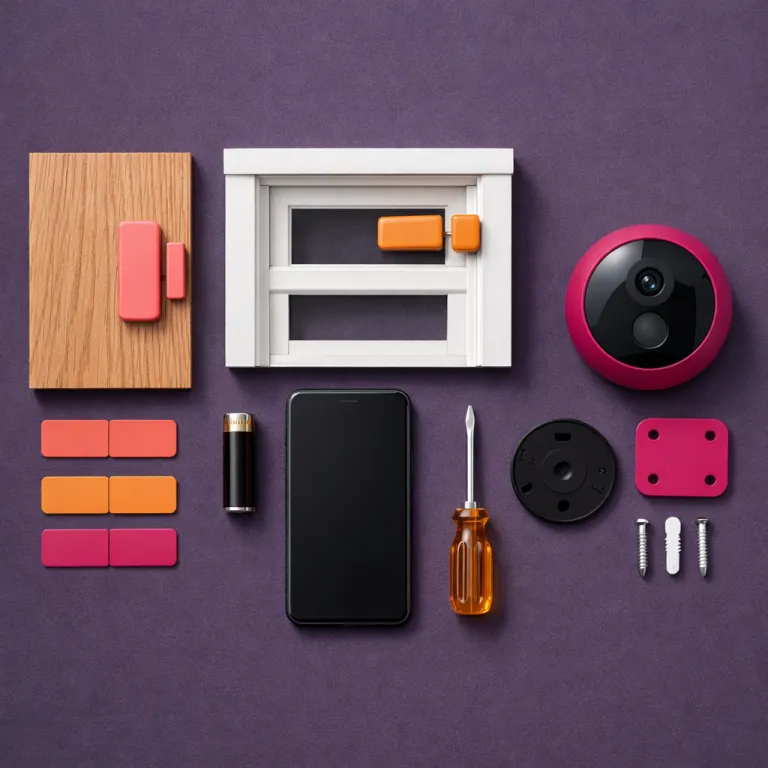
Most homeowners find that ring door sensors offer an easy install process, even without technical experience. The contact sensors usually attach with adhesive strips, allowing you to mount the sensor on the frame and the magnet on the moving part of the door or window door. As long as the two pieces of the contact sensor align within the recommended distance, the system can reliably detect when the contact breaks.
During setup, the ring app guides you through adding each sensor to the Ring Alarm base station, naming it according to its location such as front door or kitchen window. This naming convention becomes essential later, because when the alarm system triggers, you immediately read which specific contact sensors caused the event. Over time, you can review logs in the app to understand patterns of use, which helps you fine tune entry delays and monitoring schedules.
Battery life is a frequent concern, but modern sensor gen devices are optimized to extend the battery in typical homes. You can check remaining battery life in the ring app and receive alerts when replacement is required, reducing the risk of a silent failure. If you also use a Ring doorbell with a solar accessory, resources like this guide to a solar panel extension lead illustrate how power management strategies can support a more resilient overall security setup.
Evaluating performance, battery life, and reliability through customer reviews
When assessing ring door sensors, many people turn first to amazon customer feedback and independent reviews. On major retail platforms such as Amazon, each product listing aggregates customer reviews into an overall rating expressed in stars, often accompanied by a verified purchase badge that signals authentic use. Reading both a single review and the broader pattern of top reviews helps you understand how the sensors work in real homes rather than in controlled tests.
Users frequently praise the long battery life of the latest sensor gen models, noting that the battery can last many months under normal use. However, some reviews highlight that heavy activity at a busy door or window door may shorten this duration, especially in colder climates where batteries naturally perform less efficiently. By comparing different customer reviews, you can gauge whether your own usage patterns align with those reporting the best performance.
Reliability also depends on the strength of the wireless link between each contact sensor and the base station, particularly in larger properties. If walls or distance interfere, the alarm contact signal may be delayed or occasionally missed, which is why careful placement and testing are required. For a broader perspective on how sensors integrate with chimes and alerts, resources that compare smart chimes, such as this analysis of which smart chime truly fits your home, can help you design a system where every alert is both audible and actionable.
Subscriptions, monitoring options, and what is required for full protection
Ring door sensors provide basic functionality out of the box, but some advanced features require ring services that involve a subscription required model. Without a plan, the sensors still trigger the alarm system locally and send push notifications through the ring app, which may be sufficient for smaller homes or people often on site. However, many users choose a ring protect plan because it adds cloud recording for cameras and extended event history that can be crucial after an incident.
For those seeking higher assurance, professional monitoring is available in many regions and transforms the Ring Alarm system into a more traditional monitored security service. When enabled, professional monitoring means that if an alarm contact event occurs and you do not respond, a monitoring center can contact you and, when appropriate, dispatch emergency services. This level of monitoring requires ring compatibility with local regulations and may not be available everywhere, so checking regional details is essential.
It is important to understand exactly which features are required for your lifestyle before committing to any subscription required plan. Some households prioritize self monitoring through the ring app, relying on fast notifications and the ability to read event logs from anywhere. Others value the reassurance that professional monitoring brings, especially when combined with multiple contact sensors on all doors windows and a robust base station that remains online during power cuts thanks to backup options.
Practical tips to get the best from ring door sensors in everyday life
To maximize the value of ring door sensors, start by mapping every door and window door that could provide access to your home. Install a contact sensor on each of these points, ensuring that the contact sensors align correctly and that the base station receives a strong signal from every location. After installation, test each sensor repeatedly with the alarm system armed and disarmed so you understand exactly how it will behave in real situations.
Consider how your household moves through the space and adjust entry and exit delays in the ring app accordingly. For example, a frequently used front door might need a slightly longer delay, while a rarely used back door could trigger an immediate alarm contact response for stronger security. Over time, you can read the event history to identify patterns, such as a child opening a window door at unusual hours, and then adapt your monitoring rules.
Finally, pay attention to maintenance tasks that keep the system reliable, including checking battery life and replacing each battery before it fails. Store spare batteries near the base station so you can quickly service any sensor that reports low power, and periodically review amazon customer feedback and new reviews for updated insights into product reliability. By treating your ring door sensors as living components of a broader security system rather than static hardware, you ensure that the ring, the alarm, and every contact sensor continue to work together to help protect your home.
Key statistics about ring door sensors and smart home security
- Up to 100 percent of monitored entry points in a typical flat can be covered using a combination of door and window contact sensors.
- Battery powered contact sensors commonly operate for many months under normal use before a battery replacement is required.
- Professional monitoring services can reduce emergency response times significantly compared with self monitoring alone.
- Customer ratings on major retail platforms frequently cluster between four and five stars for well installed systems.
- Homes using both sensors and cameras report higher satisfaction with overall security than those using a single product type.
Common questions about ring door sensors
How do ring door sensors work with existing doors and windows ?
Ring door sensors use a two part magnetic contact sensor that detects when a door or window opens or closes. One part mounts on the frame and the other on the moving panel, and when the contact breaks, the sensor sends a signal to the base station. As long as the pieces align correctly and remain within the recommended distance, they work reliably on most standard doors windows.
Do ring door sensors require a subscription to function ?
The sensors function without a subscription required plan, still triggering the alarm and sending push notifications through the ring app. A ring protect plan becomes required only if you want extended event history, cloud recording for cameras, or professional monitoring. Many users start without a subscription and later upgrade when they need more comprehensive monitoring.
How long does the battery last in a typical contact sensor ?
Battery life varies depending on how often a door or window door is opened, but many users report many months of use before replacement is required. The ring app shows battery status for each sensor gen device and sends alerts when levels drop. Replacing the battery is straightforward and does not usually require removing the entire sensor from the surface.
Can ring door sensors be used on sliding doors and unusual frames ?
Yes, ring door sensors can often be adapted for sliding doors and non standard frames, provided the contact sensors can be aligned closely when the door is closed. Sometimes this requires creative placement on the frame or using additional adhesive to achieve a stable mount. Testing the alarm contact response several times after installation ensures that the system recognizes every opening and closing event.
What happens if the internet connection fails while the alarm is armed ?
If the internet connection fails, the Ring Alarm base station can still communicate with ring door sensors locally and trigger the siren when a contact breaks. However, remote notifications through the ring app and any professional monitoring services may be affected until connectivity returns. For critical security needs, some users choose backup connectivity options where available to keep monitoring active during outages.