Why most first‑time buyers overthink specs and miss what matters
The best Ring doorbell for a first‑time buyer is the one you stop noticing after a week. You want a video doorbell that simply alerts you when someone is at the door, records clear video, and does not turn every passing car into a crisis. That means prioritising everyday usability over the flashiest product features or the newest model names.
Start with how your home is wired, because that single choice between a battery doorbell and a wired doorbell shapes everything else. If you already have an existing doorbell wired to a transformer, a Ring wired doorbell or a more advanced doorbell wired option can give you constant power and slightly faster response times. If you are renting or your door wiring is a mystery, a Ring battery powered model is safer, easier, and avoids paying an electrician just to hang a doorbell.
Next, think about your actual fears rather than abstract security marketing. Most first‑time buyers worry about package theft, missed visitors, and night time noise at the door more than they fear a targeted burglary. For those needs, reliable motion detection, decent night vision, and a wide vertical field of view from head to toe matter far more than exotic video analytics or a pro gen chipset hidden deep in the spec sheet.
Then there is the subscription question, which many people only notice after installation when they see that a subscription required message appears in the Ring app. Without a Ring Protect subscription, you can still answer live ring video calls and see who is at the door in real time. With Ring Protect, the doorbell records video clips, stores them in the cloud, and unlocks richer motion detection options that make the whole security system more useful.
Finally, ignore the star ratings on Amazon until you understand what people are actually rating. A five star review might praise video quality but hide constant false motion alerts that drive you to disable notifications entirely. A four star review that mentions stable motion detection, clear audio, and a simple installation is often a better sign that the product will quietly protect your door every day.
Why Ring Battery Doorbell Plus is the best starting point for most homes
After testing the current Ring doorbells line up in real homes, the Battery Doorbell Plus stands out as the best Ring doorbell for most first‑time buyers. It balances price, video quality, and battery life in a way that makes sense for a typical flat or house, rather than for a lab benchmark. You get a battery doorbell that feels like a long term security upgrade instead of a gadget experiment.
The key advantage is its head to toe field of view, which lets you see visitors from their face down to any package on the ground. That vertical view sounds like a small tweak, yet it changes how you use the video doorbell every day, because you can confirm deliveries and check whether a parcel is still at the door without opening it. Combined with sharp video quality and reliable night vision, the Battery Doorbell Plus gives you a clear, confidence building picture in bright daylight and under a single porch light.
Battery performance is another reason this model earns its reputation as the best balanced product in the range. In a typical suburban setting with tuned motion detection zones, one ring battery charge can last several weeks to a few months, depending on how busy your street is. If you add a compatible solar panel, as explained in guides about how a Ring solar panel keeps your Ring cameras powered all year, you can almost forget about charging entirely.
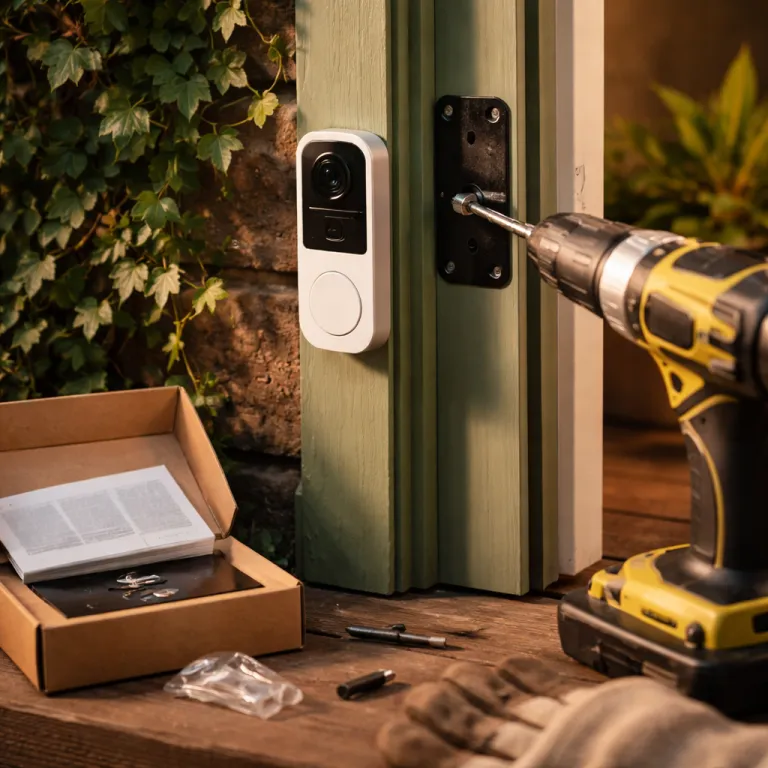
For renters and cautious buyers, the lack of drilling into mains wiring is a major psychological win. You mount the doorbell with screws or adhesive, connect it to your Wi‑Fi, link it to the Ring app, and you are done in under an hour with basic tools. If you move, you simply take the video doorbells with you, leaving only small holes that most landlords accept as normal wear.
Crucially, this is not the most expensive pro model in the catalogue, and that is exactly why it is the right first choice. You get the core benefits of a modern ring doorbell, including smart motion detection, package alerts, and integration with other Ring doorbells or cameras, without paying extra for advanced wired features you may never use. If you later decide you need a wired doorbell pro at a new property, you can still repurpose the Battery Doorbell Plus at a side door or back entrance.
Why Ring Pro is rarely the right first Ring doorbell
The wired Ring Pro models look tempting, especially when you see the word pro and a long list of advanced features. They promise faster alerts, slightly better video quality, and more refined motion detection, but those gains only matter if your wiring and Wi‑Fi are already rock solid. For a first‑time buyer, that is a lot of hidden complexity for benefits you may barely notice in daily use.
Every wired doorbell pro requires a compatible transformer, stable power, and usually a chime kit or bypass module, which can turn a simple project into a half day job. If your existing door wiring is old, underpowered, or undocumented, you may end up calling an electrician just to make the doorbell wired connection safe. That extra cost often wipes out any price difference between a mid range wired model and a flexible battery doorbell that you could have installed yourself.
There is also the psychological cost of overbuying on your first smart security product. Many people who start with a top tier pro gen device later admit they never touch half the advanced settings in the Ring app, and they feel locked into a subscription required ecosystem they barely use. In contrast, starting with a simpler ring battery model lets you learn what you actually value, whether that is faster notifications, richer motion zones, or deeper integration with other security devices.
Another overlooked factor is how your fears evolve over the first six months. At first, you may imagine dramatic break ins and assume only a pro level doorbell can protect you, but most alerts end up being couriers, neighbours, and the occasional stray cat. Once you see that pattern in your own video clips, you often realise that a well placed battery doorbell with tuned motion detection was enough all along.
If you eventually outgrow your first device, upgrading later to a wired Ring Pro or a future newest model is straightforward. You can move the original ring doorbell to a side door, garage entrance, or even pair it with a smart garage solution, as explained in resources about how a Ring garage door opener transforms smart garage security and control. That staged approach costs less, teaches you what you actually need, and avoids the regret of paying for a flagship product that never quite fits your daily routine.
The real fear scale for first‑time buyers and how Ring handles it
When people talk about buying the best Ring doorbell, they often start with worst case scenarios that rarely happen. In practice, the fear scale usually runs from missed deliveries and awkward late night knocks, through nuisance motion alerts, up to the small but real risk of attempted break ins. Understanding where you sit on that scale helps you choose between different Ring doorbells without overspending.
If package theft is your main concern, prioritise a model with a tall head to toe view and reliable package detection. The Battery Doorbell Plus and similar video doorbells with a wide vertical field of view let you see parcels directly in front of the door, even when they are pushed close to the wall. Combined with Ring Protect cloud recording, you can review video clips if something goes missing and share them with neighbours or local authorities when needed.
For people worried about constant motion alerts, the quality of motion detection matters more than raw sensitivity. Modern ring video devices let you draw custom zones in the Ring app, so you can ignore the pavement and focus on the path leading to your door, which dramatically reduces false alarms. Choosing a model with advanced motion options, rather than just the cheapest product on Amazon, often makes the difference between a security upgrade and a notification nightmare.
Night time anxiety is another common driver for buying a video doorbell. Good night vision, clear audio, and a responsive live view help you decide whether to answer the door, speak through the speaker, or simply ignore a visitor, all without leaving your sofa. Even a mid range battery doorbell can deliver that sense of control, as long as your Wi‑Fi signal at the door is strong and your subscription is set up correctly.
At the top of the fear scale are rare but serious incidents, such as someone trying door handles or scoping out properties. Here, the combination of a visible ring doorbell, recorded video, and linked security cameras can act as both a deterrent and an evidence collector. If you later expand into more advanced features like Ring AI, you can explore resources that explain what Ring AI Pro actually unlocks in the new lineup, but that step is rarely necessary for a first purchase.
Six‑month regrets most new Ring owners mention quietly
Talk to people six months after installing their first ring doorbell, and a pattern of quiet regrets emerges. They rarely complain about video quality or night vision, because even entry level models are good enough for basic security. Instead, they talk about subscription surprises, notification fatigue, and small installation choices that turned into daily annoyances.
The most common surprise is how central the Ring Protect subscription becomes once you rely on your video doorbell. Without it, you only get live view and basic alerts, which feels fine for a week until you miss an important event and realise there is no recording to review. Many owners say they would have budgeted for the subscription required cost from day one if they had understood how much value it adds to their security routine.
Notification fatigue is another frequent complaint, especially for homes on busy streets. If you leave motion detection at default settings, your phone can buzz for every passing car, dog, or neighbour, which quickly trains you to ignore alerts entirely. The fix is to spend time in the Ring app adjusting motion zones, sensitivity, and people only detection, but many first‑time buyers underestimate how important that tuning is.
Placement regrets also show up often in long term feedback. Mounting the doorbell too high or too far to one side can cut off the head to toe view, leaving you with cropped faces or hidden packages near the door, even if the product technically supports a wide field of view. A simple cardboard mock up at eye level before drilling can prevent months of frustration with awkward angles and partial video frames.
Finally, some owners wish they had chosen a more flexible model instead of chasing the newest model or a specific pro gen label. A battery doorbell that can move with you, work at a side door, or pair with other ring doorbells often proves more valuable than a single high end wired unit locked to one location. Thinking about your next two homes, not just your current door, is one of the most reliable ways to avoid six month regret.
What your first Ring purchase should not include
When you are choosing the best Ring doorbell for your home, it is tempting to load up on accessories and advanced options. The marketing pages and Amazon bundles often push chimes, extra mounts, and niche add ons that sound useful but end up in a drawer. A leaner first purchase keeps costs down and lets you learn how you actually use the system.
Skip specialised faceplates, decorative covers, and complex corner kits unless your door frame has a very unusual angle. Most modern ring video devices include a basic wedge or corner bracket that gives a clear view of visitors and the path to your door. You can always add a more tailored mount later if you find that your current view misses important areas or creates blind spots in your security coverage.
Think carefully before buying multiple chimes or linking too many devices to your first doorbell wired or battery powered unit. In a typical flat or small house, one chime and phone notifications through the Ring app are enough to hear every ring and motion alert. Extra chimes add cost, complexity, and more things to troubleshoot when Wi‑Fi or power glitches occur.
Do not feel pressured into buying the most expensive pro model or the absolute newest model just because it exists. For a first‑time buyer, a solid mid range battery doorbell or a simple wired doorbell with stable power usually delivers the best balance of reliability and value. You can always upgrade to a higher end doorbell pro later, once you understand whether you truly need features like dual band Wi‑Fi, advanced motion analytics, or deeper integration with other security products.
Finally, avoid overcommitting to a full ecosystem of accessories, such as smart locks, garage controllers, and extra cameras, before you have lived with a single ring doorbell for a few months. Start with one well chosen product, learn how it fits your routine, then expand gradually into related devices like smart garage controllers or extra cameras only if they solve real problems. That measured approach turns your first purchase into the foundation of a thoughtful security system, not an impulsive pile of gadgets.
Key figures and adoption trends for Ring doorbells
- Market research from Strategy Analytics reported that video doorbells accounted for more than 20 % of all smart home security camera shipments globally, showing how quickly front door security has become a mainstream priority.
- Independent testing by Consumer Reports has found that many mid range video doorbells, including several Ring models, deliver usable video quality at bitrates under 2 Mbps, which means most standard home broadband connections can support them without upgrades.
- Ring has stated publicly that devices with advanced motion detection features can reduce false alerts by more than half when users configure zones correctly, highlighting the importance of setup over raw hardware specifications.
- Surveys of smart home owners by Parks Associates indicate that households with at least one video doorbell are significantly more likely to add additional security products, such as cameras or smart locks, within twelve months, turning the first doorbell into a gateway device.
- Data from major insurers in several European markets shows that homes with visible security devices, including video doorbells, are less frequently targeted for opportunistic theft, although the exact discount on premiums varies by provider and country.
FAQ about choosing the best Ring doorbell
Is a battery Ring doorbell or a wired Ring doorbell better for a first home
For most first‑time buyers, a battery Ring doorbell is the safer and simpler starting point, because it avoids electrical work and can move with you if you change homes. A wired Ring doorbell makes sense when you already have reliable doorbell wiring, plan to stay put for several years, and want slightly faster response times. If you are unsure about your wiring, start with a battery model and upgrade later if needed.
Do I really need a Ring Protect subscription for my video doorbell
You can use any Ring video doorbell without a subscription for live view and basic notifications, but you will not have access to recorded clips or extended event history. A Ring Protect subscription unlocks cloud recording, richer motion detection options, and some advanced features that make the system feel complete. Most long term users find that budgeting for the subscription from the start avoids disappointment later.
How important is video quality compared with motion detection
Both matter, but for everyday security, reliable motion detection is usually more important than marginal gains in video quality. A doorbell that captures every relevant event with clear motion alerts is more useful than one with slightly sharper images that misses visitors or triggers constantly on passing traffic. Aim for a model with at least 1080p resolution and strong motion controls in the Ring app rather than chasing the highest possible resolution.
Can I install a Ring doorbell myself without professional help
Most people can install a battery powered Ring doorbell themselves using basic tools, following the step by step instructions in the Ring app. Wired models are also user installable in many cases, but they require compatible transformers and safe mains wiring, which may justify hiring an electrician if you are unsure. When in doubt, choose a battery model for your first installation, then consider wired options once you are more comfortable with the system.
What happens to my Ring doorbell if I move to a new home
If you own a battery powered Ring doorbell, you can simply remove it, patch the small screw holes, and reinstall it at your new property. Wired models can also be moved, but they may not match the wiring or door layout in the new home, which sometimes makes them better suited as permanent installations. Many people keep their first Ring device as a flexible backup for side doors or secondary entrances after upgrading at a new address.